
Cool Roof Coatings & Shading: Lowering Your Energy Bills
Keeping your home cool during a Georgia summer can be expensive. As temperatures climb into the 90s and the sun beats down for hours each day, your roof absorbs a tremendous amount of heat. That heat eventually transfers into your attic and living spaces, forcing your air conditioning system to work overtime. The result is higher monthly energy bills and additional wear on your HVAC system.
Fortunately, there are ways to reduce heat absorption and improve your home's energy efficiency. Cool roof coatings, reflective roofing materials, and strategic shading can all help lower roof temperatures while extending the life of your roofing system. Whether you're planning a roof replacement or looking for ways to improve your existing roof, these solutions can provide long-term benefits for Georgia homeowners.
Why Your Roof Gets So Hot
Many roofing materials naturally absorb sunlight throughout the day.
Dark-colored asphalt shingles, for example, can reach surface temperatures of 150°F or higher during the hottest part of a Georgia afternoon.
That heat doesn't stay on the roof. It radiates into the attic, increasing indoor temperatures and making it more difficult for your cooling system to maintain a comfortable environment.
The hotter your roof becomes, the harder your air conditioner has to work.
What Is a Cool Roof?
A cool roof is designed to reflect more sunlight and absorb less heat than traditional roofing systems.
Rather than storing large amounts of solar energy, cool roofing materials help keep roof surfaces significantly cooler.
This can lead to:
Lower attic temperatures
Reduced cooling costs
Improved indoor comfort
Less thermal stress on roofing materials
Extended roof lifespan
Cool roofing isn't limited to commercial buildings. Many residential roofing options now offer improved solar reflectivity as well.
Understanding Cool Roof Coatings
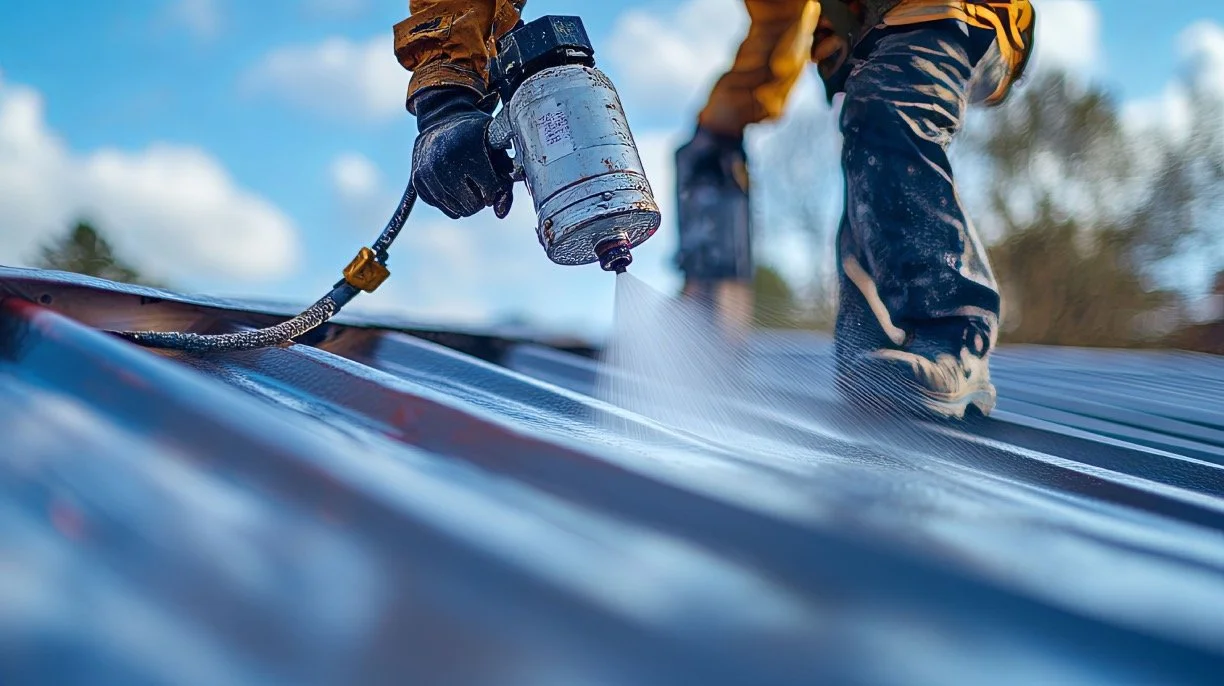
Cool roof coatings are specially formulated products applied to certain roofing systems to increase their ability to reflect sunlight.
These coatings help reduce the amount of heat absorbed by the roof while also providing an additional layer of protection against weather and UV exposure.
Depending on the roofing system, reflective coatings may:
Lower roof surface temperatures
Reduce thermal expansion
Improve energy efficiency
Protect against UV degradation
Extend the service life of the roof
Not every roof is a candidate for a coating, so it's important to have a roofing professional evaluate your existing system before considering this option.
Reflective Roofing Materials
If you're planning a roof replacement, selecting energy-efficient materials can make a noticeable difference over the life of your roof.
Today's roofing products include options specifically designed to reflect more solar energy.
Examples include:
Reflective Asphalt Shingles
Many modern asphalt shingles are manufactured with reflective granules that absorb less heat than traditional products while maintaining an attractive appearance.
Metal Roofing
Metal roofs naturally reflect much of the sun's radiant heat and cool quickly after sunset.
In addition to their energy efficiency, they offer exceptional durability and longevity.
Specialty Roofing Systems
Certain roofing products are specifically engineered to maximize solar reflectance and thermal performance while meeting residential design preferences.
Your roofing contractor can recommend materials that fit your home's style, budget, and energy goals.
The Benefits of Roof Shading
While your roof needs adequate sunlight for proper drying after rain, reducing prolonged direct exposure can also help lower temperatures.
Strategic shading may come from:
Mature trees
Pergolas over outdoor spaces
Covered patios
Architectural design features
Trees can provide natural shade that reduces roof temperatures during the hottest parts of the day.
However, homeowners should carefully maintain trees near the home. Overhanging branches can increase the risk of storm damage, falling limbs, clogged gutters, and excessive debris accumulation.
A balanced approach offers the greatest benefit.
Don't Forget Proper Ventilation
Even the most reflective roofing materials perform better when combined with adequate attic ventilation.
Ventilation helps remove hot air that accumulates beneath the roof deck.
Together, reflective roofing and ventilation can:
Improve cooling efficiency
Reduce attic temperatures
Help roofing materials last longer
Lower indoor humidity
Improve overall home comfort
Energy efficiency works best when multiple roofing components function together.
Additional Ways to Improve Energy Efficiency
Beyond roofing materials, homeowners can make several improvements that reduce summer cooling costs.
These include:
Upgrading attic insulation
Sealing air leaks
Installing radiant barriers
Maintaining HVAC systems
Scheduling regular roof inspections
Often, a combination of small improvements provides greater long-term savings than relying on a single upgrade.
Is a Cool Roof Worth It?
Every home is different, but many Georgia homeowners benefit from roofing systems designed with energy efficiency in mind.
Factors that influence the potential savings include:
Roof size
Roof color
Roofing material
Attic ventilation
Insulation levels
Sun exposure
Local climate
Although the exact energy savings vary from one property to another, reducing roof temperatures generally places less demand on your air conditioning system and may help extend the life of both your roof and HVAC equipment.
Schedule an Evaluation Before Your Next Roof Project
If your roof is aging or you're considering a replacement, now is an excellent time to explore energy-efficient roofing options. Choosing the right materials and ensuring your roof has proper ventilation can improve comfort, reduce utility costs, and provide better long-term performance.
At Mr Roof & Restoration, we help homeowners throughout North Georgia select roofing solutions that stand up to the region's intense summer heat. Whether you're interested in a roof replacement, improved ventilation, or a professional roof inspection, our experienced team can recommend options that protect your home while helping you save on energy costs for years to come.