

The Ultimate Fall Roof Maintenance Checklist for North Georgia Homeowners
Fall is one of the best times of year to give your roof some attention. After months of intense Georgia heat, thunderstorms, heavy rain, and high humidity, your roofing system may have developed small problems that aren't immediately visible from the ground. Taking care of those issues before winter can help prevent leaks, moisture damage, and expensive emergency repairs.
For homeowners throughout North Georgia, a fall roof inspection and maintenance routine is especially important. Even though Georgia winters are generally milder than those in northern states, freezing temperatures, heavy rain, wind, and occasional ice can still put additional stress on a damaged or aging roof.
Use this fall roof maintenance checklist to prepare your home for the colder months ahead.
1. Check Your Roof for Missing or Damaged Shingles
Start by visually inspecting the roof from the ground. Look for shingles that appear missing, cracked, curled, lifted, or noticeably different from the surrounding shingles.
Georgia's summer storms and high winds can loosen roofing materials, while prolonged heat and UV exposure can cause asphalt shingles to deteriorate over time.
Even one damaged or missing shingle can create an opening for water to reach the roofing materials underneath. Once moisture gets beneath the shingles, it can eventually cause roof decking damage, mold growth, and interior leaks.
If you notice obvious shingle damage, schedule a professional roof inspection rather than attempting to walk on the roof yourself.
2. Clean Leaves and Debris From the Roof
North Georgia's trees make fall beautiful, but they also create additional maintenance for homeowners.
Leaves, pine needles, branches, and other debris can accumulate in roof valleys and other low areas. When debris remains on the roof, it can trap moisture and prevent water from draining properly.
Pay particular attention to valleys, areas around chimneys, and sections of the roof underneath large trees.
Removing debris helps water move toward the gutters instead of collecting on the roofing surface.
3. Clean Your Gutters and Downspouts
Gutter cleaning should be near the top of every fall home maintenance checklist.
Your gutters are responsible for directing rainwater away from your roof, siding, foundation, and landscaping. During fall, however, leaves and other debris can quickly clog the gutter system.
When gutters become blocked, water may overflow or back up underneath the edge of the roof.
Make sure your gutters are clear and check that downspouts are directing water several feet away from the home's foundation. You should also look for gutters that are sagging, pulling away from the fascia, or leaking around seams.
4. Inspect Flashing Around Roof Penetrations
Some of the most common roof leaks develop around areas where something penetrates or intersects with the roofing system.
These areas include:
Chimneys
Plumbing vents
Skylights
Roof vents
HVAC penetrations
Roof-to-wall intersections
Metal flashing and sealants help prevent water from entering around these vulnerable locations.
Over time, flashing can become loose, damaged, or corroded. Sealants can also crack due to temperature changes and prolonged sun exposure.
A professional roofer can inspect these areas closely and determine whether repairs or resealing are necessary.

Not every roofing problem is obvious from outside.
Walk through your home and inspect ceilings and upper walls for signs of moisture. Pay particular attention to rooms directly beneath the roof and areas near chimneys or skylights.
Warning signs can include brown or yellow stains, peeling paint, bubbling drywall, musty odors, and visible mold.
You should also inspect your attic if it is safely accessible. Darkened roof decking, damp insulation, visible water stains, or sunlight entering through the roof can indicate problems that need professional attention.
6. Check Your Attic Ventilation
Proper attic ventilation helps protect your roof throughout the year.
During Georgia's hot summers, ventilation helps remove excess heat from the attic. During cooler weather, it helps control moisture levels and reduce condensation.
Excess attic moisture can eventually contribute to mold growth, damaged insulation, wood deterioration, and premature roofing failure.
Check that soffit vents, ridge vents, and other ventilation openings are not blocked by insulation, debris, or stored belongings.
7. Trim Overhanging Tree Branches
Large trees can provide valuable shade during Georgia summers, but branches hanging directly above your roof can become a serious hazard.
Fall and winter storms can cause weakened branches to break and fall onto the roof. Even smaller branches rubbing against shingles repeatedly can damage the protective granules and shorten the life of the roofing material.
Branches can also deposit leaves and pine needles directly onto the roof and into gutters.
Consider trimming branches that hang close to the roof before colder and stormier weather arrives.
8. Inspect the Roof for Moss, Algae, and Organic Growth
Georgia's humid climate creates favorable conditions for algae, moss, and other organic growth.
Dark streaks on asphalt shingles are often associated with algae. While discoloration does not always indicate immediate structural damage, significant moss growth can trap moisture against roofing materials.
Avoid aggressive pressure washing, which can damage asphalt shingles and remove protective granules.
Instead, have a roofing professional evaluate significant growth and recommend an appropriate cleaning method.
9. Check for Sagging or Uneven Areas
Your roofline should generally appear straight and consistent.
Visible dips, sagging sections, or uneven areas may indicate problems with the roof decking or structural components underneath.
These problems can result from prolonged moisture exposure, deteriorated wood, previous roof damage, or structural issues.
Sagging should always be evaluated by a roofing professional as soon as possible.
10. Schedule a Professional Fall Roof Inspection
A homeowner can identify many obvious roofing problems from the ground, but some issues require a trained eye.
Professional roofers can safely inspect shingles, flashing, vents, penetrations, roof valleys, gutters, decking, and other components that may be difficult to evaluate without climbing onto the roof.
An inspection can also uncover smaller problems before they turn into winter leaks or expensive structural repairs.
If your roof is older, has experienced severe storms, or hasn't been professionally inspected recently, fall is an ideal time to schedule an evaluation.
Don't Wait Until Winter to Address Roof Problems
Small roofing issues rarely improve on their own. A loose shingle, deteriorated flashing, or minor leak can become significantly more expensive once colder weather and heavy rain arrive.
Completing preventative roof maintenance during the fall gives North Georgia homeowners time to identify problems and make necessary repairs before winter.
Mr. Roof and Restoration provides professional roof inspections, roof repairs, roof replacements, and storm damage restoration throughout North Georgia. Whether you're concerned about recent storm damage or simply want to make sure your roof is ready for the season ahead, our experienced roofing team can help.
Storm Preparedness Tips for Homes Around Lake Lanier
Living around Lake Lanier offers beautiful scenery and access to one of North Georgia's most popular outdoor destinations, but homeowners in the area also need to be prepared for severe weather. Strong thunderstorms, high winds, heavy rain, hail, and falling trees can all threaten homes and roofing systems throughout the Lake Lanier area.
Preparing your property before severe weather arrives can reduce the risk of damage and make it easier to identify problems after a storm passes.
Whether you live in Gainesville, Flowery Branch, Cumming, Buford, or another community near Lake Lanier, these storm preparedness tips can help protect your home and roof.
Inspect Your Roof Before Storm Season
One of the best ways to prepare for severe weather is to make sure your roof is already in good condition.
Small problems such as loose shingles, deteriorated flashing, or damaged sealants can become much worse when exposed to strong winds and heavy rain.
From the ground, look for obvious warning signs including:
Missing or damaged shingles
Curled or lifted shingles
Sagging roof sections
Damaged flashing
Loose gutters
Debris collecting on the roof
If your roof is older or has experienced previous storm damage, consider scheduling a professional inspection.
A roofer can identify vulnerabilities that may not be visible from your yard.
Keep Gutters and Downspouts Clear
Heavy North Georgia rainfall can overwhelm a poorly maintained drainage system.
Your gutters need to move large amounts of water away from the roof quickly. Leaves, pine needles, twigs, and other debris can block that flow.
When gutters become clogged, water may overflow or back up near the roof edge. This can contribute to damaged fascia, soffits, siding, and roofing materials.
Clean your gutters regularly and make sure downspouts are directing water away from the foundation.
Homes surrounded by mature trees may require more frequent gutter maintenance.
Trim Trees Around Your Home
Trees are one of the biggest storm-related concerns for many properties around Lake Lanier.
Strong winds can break branches or uproot weakened trees. Falling limbs can damage shingles, gutters, roof decking, windows, vehicles, and other parts of the property.
Inspect trees near your home for dead or damaged branches, especially those hanging directly over the roof.
Branches touching shingles should also be trimmed because repeated movement can wear away protective granules.
Large branches or potentially unstable trees should be evaluated and removed by a qualified tree professional.
Secure Loose Outdoor Items
Storm preparation shouldn't stop at the roof.
Patio furniture, umbrellas, grills, decorations, planters, children's toys, and other outdoor objects can become dangerous during high winds.
Before severe weather arrives, move lightweight items into a garage, shed, or other protected location. Secure larger items that cannot easily be moved.
If you have a dock or other structures near the lake, make sure they are maintained and secured according to appropriate requirements.
Pay Attention to Roof Flashing
Some of the most vulnerable areas of your roof are located around penetrations and transitions.
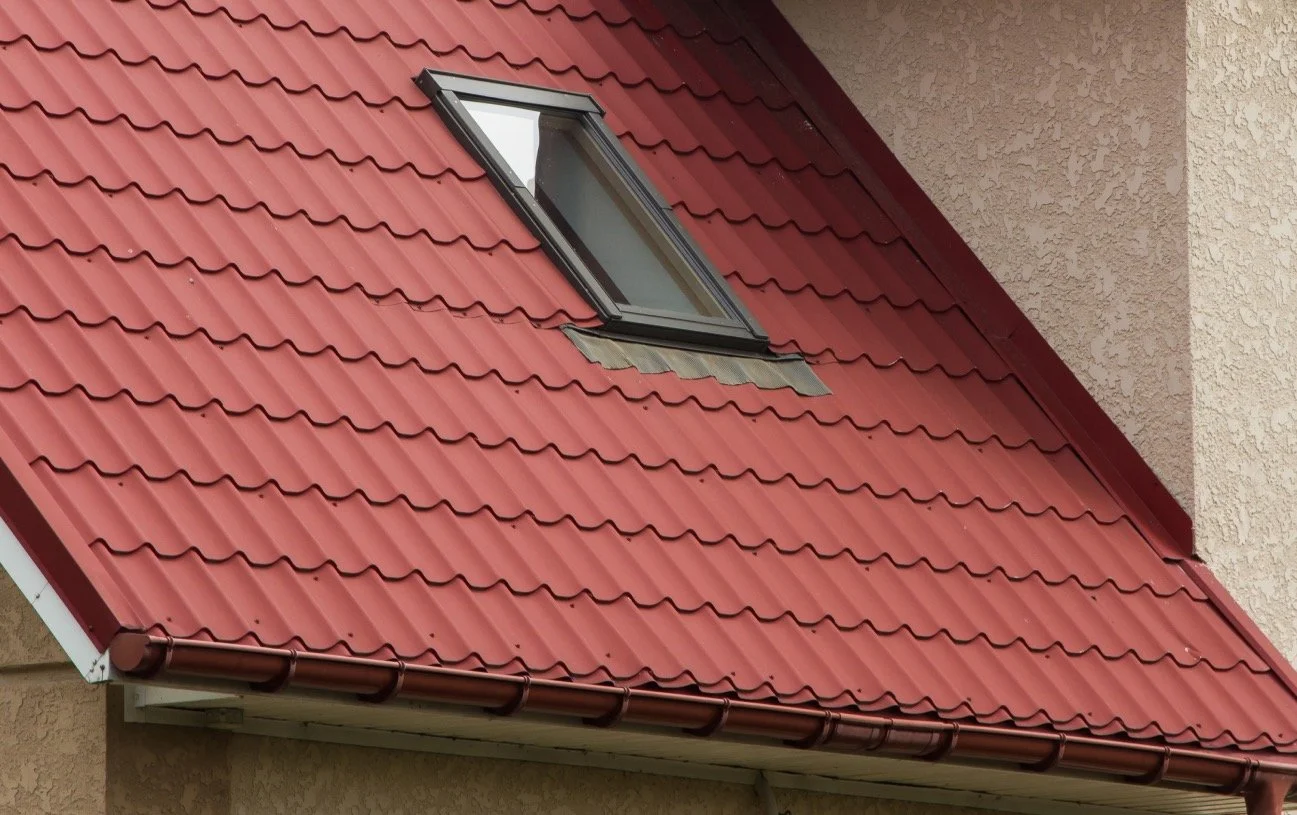
Chimneys, skylights, plumbing vents, exhaust vents, and roof-to-wall intersections generally rely on flashing to keep water out.
Loose or deteriorated flashing may allow wind-driven rain to enter the roofing system.
Because flashing problems can be difficult to see from the ground, these areas should be evaluated during a professional roof inspection.
Know What to Look for After a Storm
Once the storm has passed and conditions are safe, walk around your property and look for visible damage.
You may notice missing shingles, roofing materials on the ground, damaged gutters, fallen branches, or debris on the roof.
Inside your home, check ceilings and upper walls for water stains or active leaks. If your attic is safely accessible, look for damp insulation, water stains, or visible moisture.
Don't climb onto a wet or potentially damaged roof to investigate. Roofing surfaces can be extremely slippery, and storm damage may have weakened areas you cannot see.
Understand That Wind Damage Can Be Hidden
Not all roof damage is immediately obvious.
Strong winds can lift shingles without completely removing them. The shingles may settle back down after the storm while their seals remain compromised.
Damage around flashing and roof edges can also be difficult to identify from the ground.
If your neighborhood experienced particularly strong winds or hail, a professional roof inspection can provide a more complete assessment.
Document Visible Storm Damage
If your property has been damaged, take photographs or videos from a safe location.
Document damaged shingles, gutters, siding, fallen branches, interior water stains, and other visible problems.
Keeping records can be useful if you need to discuss the damage with your homeowners insurance provider.
Avoid making permanent repairs before necessary documentation has been completed. However, temporary measures may sometimes be necessary to prevent additional water intrusion.
Address Roof Leaks Quickly
A small storm-related leak can cause increasingly serious problems when ignored.
Water entering the roofing system can damage decking, insulation, ceilings, walls, and other materials. Persistent moisture may also contribute to mold growth.
If you notice water entering your home after a storm, contact a roofing professional promptly.
Quick action can help limit additional damage while the underlying roofing problem is evaluated.
Have an Emergency Plan
Protecting the house is important, but personal safety always comes first during severe weather.
Know where your household will shelter during dangerous conditions and keep emergency supplies easily accessible.
Pay attention to local weather alerts and avoid going outside to inspect your property while a storm is still active.
Roof damage can be repaired. Don't put yourself at risk trying to investigate a roofing problem during severe weather.
Keep Your Lake Lanier Home Ready for Severe Weather
Storms are a normal part of living in North Georgia, but preventative maintenance can make your home better prepared when severe weather arrives.
Regular roof inspections, clean gutters, properly maintained trees, secure outdoor items, and quick attention to leaks can all help reduce the risk of larger problems.
Mr. Roof and Restoration provides professional roof inspections, roof repairs, roof replacements, and storm damage restoration for homeowners throughout the Lake Lanier and North Georgia area.
Best Roofing Materials & Styles Popular in Flowery Branch
Your roof protects your home every day, but it's easy to overlook its condition until something goes wrong. For homeowners in Forsyth County, GA, regular roof inspections are one of the simplest ways to identify damage before it develops into a leak, structural problem, or costly emergency repair.
North Georgia roofs face intense summer heat, high humidity, thunderstorms, strong winds, heavy rain, and occasional hail. Even when your roof looks fine from the ground, months or years of exposure can gradually weaken shingles, flashing, sealants, and other roofing components.
If you haven't had your roof inspected recently, now is a good time to schedule a professional evaluation.
North Georgia Weather Can Be Hard on Your Roof
Forsyth County's climate exposes residential roofing systems to several types of stress throughout the year.
During summer, high temperatures and prolonged UV exposure can contribute to the deterioration of asphalt shingles. Thunderstorms can bring wind, heavy rainfall, hail, and falling branches.
Temperature fluctuations also cause roofing materials to repeatedly expand and contract.
A properly installed roof is designed to handle the elements, but no roofing system lasts forever. Regular inspections help homeowners understand how well their roof is holding up.
Storm Damage Isn't Always Obvious
After a major storm, most homeowners know to look for missing shingles, fallen trees, or obvious leaks.
However, roofing damage can be much more subtle.
Strong winds may lift shingles without completely removing them. Flashing can loosen around chimneys and vents. Hail can damage the surface of asphalt shingles without creating visible holes.
These problems may go unnoticed until the next period of heavy rainfall.
A professional roof inspection can identify storm-related issues that are difficult to recognize from the yard.
Small Roof Leaks Can Become Major Problems
One of the biggest advantages of scheduling regular inspections is the opportunity to catch leaks early.
A small opening around flashing, a damaged shingle, or deteriorated sealant may initially allow only a limited amount of moisture into the roofing system.
That doesn't mean the problem is harmless.
Over time, water intrusion can affect roof decking, rafters, insulation, drywall, paint, and other materials. Persistent moisture may also contribute to mold growth.
Repairing a minor roofing problem is generally much easier than repairing widespread water damage inside your home.
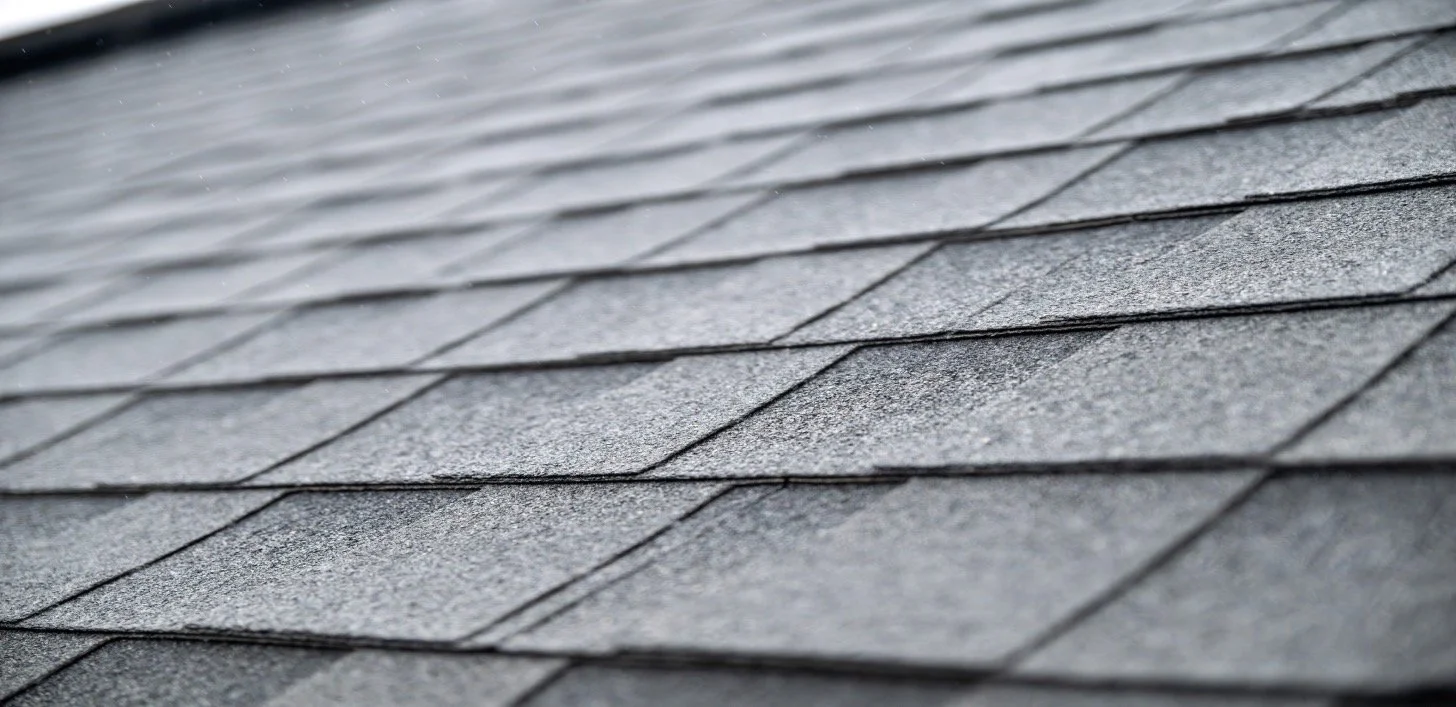
Asphalt shingles gradually deteriorate with age and weather exposure.
During an inspection, a roofing professional can look for signs such as:
Cracked or curled shingles
Missing shingles
Excessive granule loss
Lifted shingle edges
Exposed or damaged areas
Previous repairs beginning to fail
A few damaged shingles don't necessarily mean you need a complete roof replacement.
However, widespread deterioration combined with an older roofing system may indicate that replacement should be considered.
Knowing this in advance gives you time to plan rather than waiting for an emergency.
Flashing and Penetrations Need Attention Too
Shingles aren't the only components responsible for keeping water out of your home.
Areas around chimneys, skylights, plumbing vents, exhaust vents, and roof-to-wall transitions often rely on flashing and sealants to prevent moisture intrusion.
These are common locations for roof leaks.
During an inspection, a roofer can evaluate whether flashing is loose, damaged, corroded, or improperly installed.
Finding these problems early can prevent water from reaching the roofing structure underneath.
Your Attic Can Reveal Hidden Roofing Problems
A complete roof evaluation isn't necessarily limited to the exterior.
Your attic may contain important clues about the condition of the roofing system.
Water stains on decking, damp insulation, darkened wood, mold, condensation, or visible daylight can indicate roofing or ventilation problems.
Attic ventilation is especially important in Georgia because of the combination of summer heat and humidity.
A roofing professional can evaluate whether ventilation issues are contributing to excessive heat or moisture inside the attic.
Inspections Are Important Before Buying or Selling
Forsyth County continues to attract homeowners looking for communities throughout the North Georgia area.
If you're planning to sell your home, knowing the condition of your roof before listing can help you avoid surprises during the buyer's inspection.
Likewise, homeowners who recently purchased a property may benefit from a roofing inspection, particularly if the roof's age or maintenance history isn't completely clear.
Understanding the condition of the roofing system allows you to plan for repairs or future replacement.
Fall Is an Excellent Time for an Inspection
Fall provides a useful window between Georgia's intense summer conditions and colder winter weather.
An inspection can identify damage caused by summer storms and heat while leaving time to complete necessary repairs before winter.
This is also a good opportunity to clean gutters, remove roof debris, trim problematic tree branches, and check drainage around the home.
Preventative maintenance can help your roofing system enter winter in better condition.
Don't Wait Until Your Roof Starts Leaking
A visible leak usually means water has already found a path through part of your roofing system.
Regular inspections are designed to identify problems before you reach that point.
You should strongly consider scheduling an inspection if your roof is older, you've experienced recent severe weather, you've noticed damaged shingles, or you simply can't remember the last time the roof was professionally evaluated.
Schedule a Roof Inspection in Forsyth County, GA
Taking care of your roof doesn't always require major repairs or replacement. Sometimes, the most valuable step is simply understanding its current condition.
Mr. Roof and Restoration provides professional roof inspections, repairs, replacements, and storm damage restoration for homeowners throughout Forsyth County and North Georgia.
Our team can inspect your roofing system, identify potential problems, and explain whether maintenance, repairs, or replacement should be considered.
Why Forsyth County Homeowners Should Schedule Roof Inspections Now
Your roof protects your home every day, but it's easy to overlook its condition until something goes wrong. For homeowners in Forsyth County, GA, regular roof inspections are one of the simplest ways to identify damage before it develops into a leak, structural problem, or costly emergency repair.
North Georgia roofs face intense summer heat, high humidity, thunderstorms, strong winds, heavy rain, and occasional hail. Even when your roof looks fine from the ground, months or years of exposure can gradually weaken shingles, flashing, sealants, and other roofing components.
If you haven't had your roof inspected recently, now is a good time to schedule a professional evaluation.
North Georgia Weather Can Be Hard on Your Roof
Forsyth County's climate exposes residential roofing systems to several types of stress throughout the year.
During summer, high temperatures and prolonged UV exposure can contribute to the deterioration of asphalt shingles. Thunderstorms can bring wind, heavy rainfall, hail, and falling branches.
Temperature fluctuations also cause roofing materials to repeatedly expand and contract.
A properly installed roof is designed to handle the elements, but no roofing system lasts forever. Regular inspections help homeowners understand how well their roof is holding up.
Storm Damage Isn't Always Obvious
After a major storm, most homeowners know to look for missing shingles, fallen trees, or obvious leaks.
However, roofing damage can be much more subtle.
Strong winds may lift shingles without completely removing them. Flashing can loosen around chimneys and vents. Hail can damage the surface of asphalt shingles without creating visible holes.
These problems may go unnoticed until the next period of heavy rainfall.
A professional roof inspection can identify storm-related issues that are difficult to recognize from the yard.
Small Roof Leaks Can Become Major Problems
One of the biggest advantages of scheduling regular inspections is the opportunity to catch leaks early.
A small opening around flashing, a damaged shingle, or deteriorated sealant may initially allow only a limited amount of moisture into the roofing system.
That doesn't mean the problem is harmless.
Over time, water intrusion can affect roof decking, rafters, insulation, drywall, paint, and other materials. Persistent moisture may also contribute to mold growth.
Repairing a minor roofing problem is generally much easier than repairing widespread water damage inside your home.
An Inspection Can Reveal Aging Shingles
Asphalt shingles gradually deteriorate with age and weather exposure.
During an inspection, a roofing professional can look for signs such as:
Cracked or curled shingles
Missing shingles
Excessive granule loss
Lifted shingle edges
Exposed or damaged areas
Previous repairs beginning to fail
A few damaged shingles don't necessarily mean you need a complete roof replacement.
However, widespread deterioration combined with an older roofing system may indicate that replacement should be considered.
Knowing this in advance gives you time to plan rather than waiting for an emergency.
Shingles aren't the only components responsible for keeping water out of your home.
Areas around chimneys, skylights, plumbing vents, exhaust vents, and roof-to-wall transitions often rely on flashing and sealants to prevent moisture intrusion.
These are common locations for roof leaks.
During an inspection, a roofer can evaluate whether flashing is loose, damaged, corroded, or improperly installed.
Finding these problems early can prevent water from reaching the roofing structure underneath.
Your Attic Can Reveal Hidden Roofing Problems
A complete roof evaluation isn't necessarily limited to the exterior.
Your attic may contain important clues about the condition of the roofing system.
Water stains on decking, damp insulation, darkened wood, mold, condensation, or visible daylight can indicate roofing or ventilation problems.
Attic ventilation is especially important in Georgia because of the combination of summer heat and humidity.
A roofing professional can evaluate whether ventilation issues are contributing to excessive heat or moisture inside the attic.
Inspections Are Important Before Buying or Selling
Forsyth County continues to attract homeowners looking for communities throughout the North Georgia area.
If you're planning to sell your home, knowing the condition of your roof before listing can help you avoid surprises during the buyer's inspection.
Likewise, homeowners who recently purchased a property may benefit from a roofing inspection, particularly if the roof's age or maintenance history isn't completely clear.
Understanding the condition of the roofing system allows you to plan for repairs or future replacement.
Fall Is an Excellent Time for an Inspection
Fall provides a useful window between Georgia's intense summer conditions and colder winter weather.
An inspection can identify damage caused by summer storms and heat while leaving time to complete necessary repairs before winter.
This is also a good opportunity to clean gutters, remove roof debris, trim problematic tree branches, and check drainage around the home.
Preventative maintenance can help your roofing system enter winter in better condition.
Don't Wait Until Your Roof Starts Leaking
A visible leak usually means water has already found a path through part of your roofing system.
Regular inspections are designed to identify problems before you reach that point.
You should strongly consider scheduling an inspection if your roof is older, you've experienced recent severe weather, you've noticed damaged shingles, or you simply can't remember the last time the roof was professionally evaluated.
Schedule a Roof Inspection in Forsyth County, GA
Taking care of your roof doesn't always require major repairs or replacement. Sometimes, the most valuable step is simply understanding its current condition.
Mr. Roof and Restoration provides professional roof inspections, repairs, replacements, and storm damage restoration for homeowners throughout Forsyth County and North Georgia.
Our team can inspect your roofing system, identify potential problems, and explain whether maintenance, repairs, or replacement should be considered.

Roof Damage Risks Unique to Oakwood & Surrounding Areas
Homeowners in Oakwood, GA enjoy everything that comes with living in North Georgia, from beautiful wooded neighborhoods to easy access to Lake Lanier. However, the local climate and environment also create several challenges for residential roofing systems.
Heat, humidity, thunderstorms, wind, heavy rainfall, and nearby trees can all contribute to roof deterioration. Understanding these risks can help Oakwood homeowners identify problems earlier and take preventative steps before minor damage becomes an expensive repair.
Here are some of the most important roof damage risks homeowners in Oakwood and surrounding communities should watch for.
Strong Thunderstorms and High Winds
North Georgia regularly experiences thunderstorms capable of producing strong wind gusts. Your roof is the first line of defense against these conditions.
Wind can lift or loosen asphalt shingles, especially when shingles are already aging or their seals have weakened. In stronger storms, shingles may be completely removed from the roof.
The damage isn't always obvious. A shingle can lift during a storm and settle back into place afterward while still having a compromised seal.
After significant storms, homeowners should visually inspect their roofs from the ground and schedule a professional inspection if they suspect damage.
Heavy Rain and Roof Leaks
Oakwood receives substantial rainfall throughout the year, making effective roof drainage particularly important.
A healthy roofing system should direct water into gutters and away from the home. Problems develop when shingles, flashing, underlayment, gutters, or other roofing components are damaged.
Heavy rain can expose weaknesses that may not be noticeable during dry weather.
Pay attention to water stains on ceilings, damp attic insulation, peeling paint, musty odors, or moisture around chimneys and roof penetrations. These can all indicate that water is entering the roofing system.
Tree and Branch Damage
Many properties throughout Oakwood and Hall County are surrounded by mature trees.
Trees provide shade and contribute to the area's appearance, but they can also create roofing hazards.
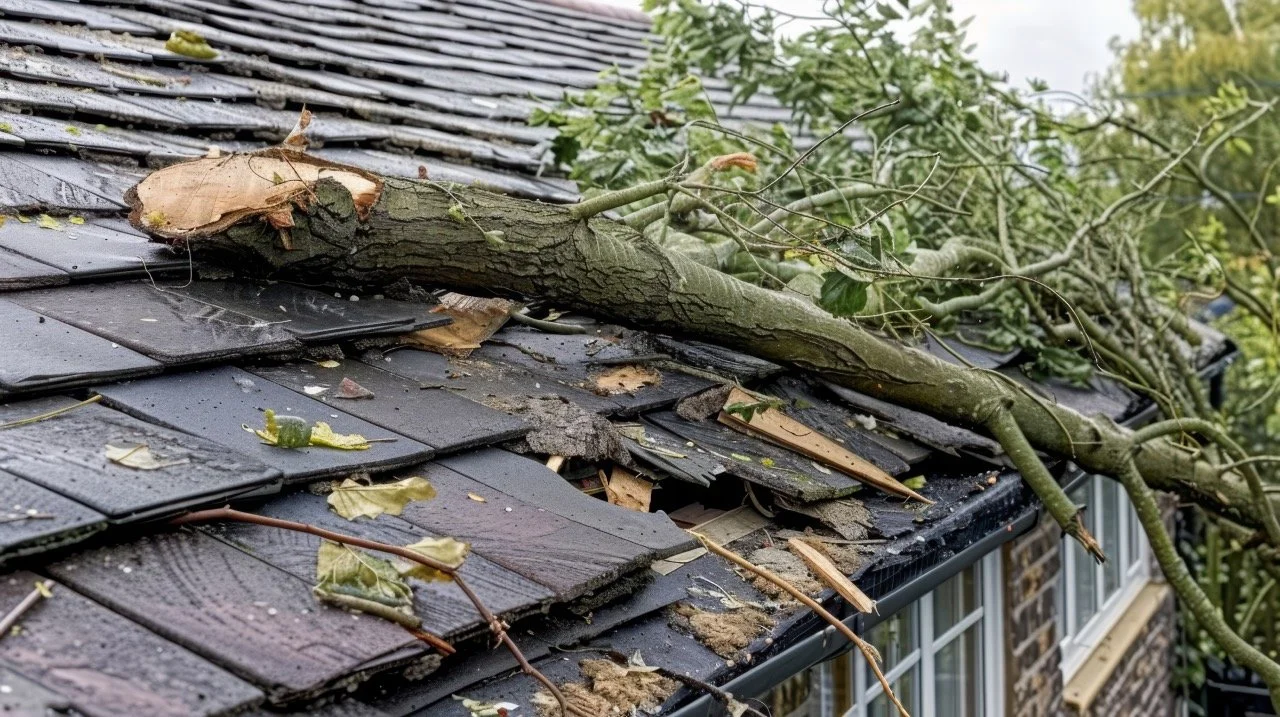
Large branches can break during thunderstorms and fall onto the roof, potentially damaging shingles, decking, gutters, and structural components. Smaller branches that repeatedly scrape across the roof can gradually remove protective granules from asphalt shingles.
Trees also deposit leaves, pine needles, and other organic debris onto roofs and into gutters.
Trim branches that hang directly above or touch your roof and remove accumulated debris regularly.
Clogged Gutters and Drainage Problems
Leaves and pine needles can quickly clog gutters, particularly on wooded properties.
When gutters cannot drain properly, rainwater may overflow or back up near the edge of the roof. Over time, moisture can contribute to deterioration of fascia boards, soffits, decking, and siding.
Overflowing gutters can also deposit excessive water near the home's foundation.
Oakwood homeowners should clean their gutters regularly, particularly during fall and after major storms.
Heat and UV Exposure
Storms aren't the only threat to your roof.
Georgia's hot summers expose roofing materials to prolonged heat and intense sunlight. Roof surfaces can reach temperatures significantly higher than the surrounding air.
Over many years, repeated heat exposure can contribute to aging, cracking, curling, and granule loss on asphalt shingles.
Proper attic ventilation is also important. Excessive attic heat can place additional stress on the roofing system while potentially increasing cooling demands inside the home.
High Humidity and Moisture
North Georgia's humid climate can create roofing and attic moisture problems.
Poor attic ventilation may allow moisture to accumulate, potentially contributing to mold, damaged insulation, and deterioration of wooden components.
Shaded roof sections can also remain damp longer after rainfall, especially when surrounded by trees.
These conditions may encourage moss, algae, or other organic growth.
If you notice dark streaking or significant growth across your roof, have the area evaluated rather than using aggressive pressure washing, which can damage asphalt shingles.
Flashing Damage Around Roof Penetrations
Roof penetrations and transitions are some of the most vulnerable areas of any roofing system.
Common examples include chimneys, skylights, plumbing vents, exhaust vents, and roof-to-wall intersections.
These areas typically rely on flashing and sealants to prevent water intrusion.
Temperature changes, storms, aging materials, and previous repairs can cause flashing or sealants to deteriorate. Once small openings develop, heavy North Georgia rain can find its way underneath the roofing materials.
Professional roof inspections should include careful evaluation of these vulnerable areas.
Hail and Impact Damage
North Georgia thunderstorms can occasionally produce hail capable of damaging roofing materials.
The extent of damage depends on factors such as hail size, wind speed, roofing material, roof age, and the direction of the storm.
Hail damage isn't always visible from your yard. Asphalt shingles can suffer impact damage that compromises their protective surface without creating an obvious hole.
If your Oakwood neighborhood experiences a significant hailstorm, consider having the roof professionally inspected.
Aging Roofing Systems
Sometimes the biggest risk isn't a single storm—it's the accumulated effects of years of exposure.
Older roofs may be less capable of handling wind, rain, heat, and falling debris than newer systems. Shingles can lose granules, seals can weaken, flashing can deteriorate, and previous repairs may begin to fail.
Recurring leaks, widespread shingle deterioration, or increasingly frequent repairs may indicate that roof replacement should be considered.
Protect Your Oakwood Home With Preventative Roof Maintenance
You can't control North Georgia weather, but you can make sure your roof is prepared for it.
Keep gutters clear, trim nearby branches, check your attic for moisture, visually inspect the roof after severe storms, and address leaks promptly.
Professional inspections can also identify problems that aren't visible from the ground.
Mr. Roof and Restoration provides roof inspections, roof repairs, roof replacements, and storm damage restoration in Oakwood and surrounding North Georgia communities.

Roofing Trends & Needs in Gainesville, GA
Your roof is one of the most important systems protecting your home, and homeowners in Gainesville, GA face a particular combination of weather conditions that can affect how their roofs perform and how long they last. Hot summers, humidity, thunderstorms, strong winds, and periods of heavy rainfall all put North Georgia roofing systems to the test.
At the same time, roofing products and homeowner preferences continue to evolve. Gainesville homeowners today have more choices when it comes to durability, energy efficiency, appearance, and storm resistance.
Whether you're maintaining an existing roof or considering a replacement, here are some of the roofing trends and needs Gainesville homeowners should understand.
Weather Resistance Remains a Top Priority
North Georgia weather can change quickly, especially during storm season. Strong thunderstorms can bring heavy rain, wind, hail, and falling tree limbs.
For homeowners, this makes durability one of the most important considerations when choosing a roofing system.
Even relatively minor storm damage can create vulnerabilities that allow moisture underneath shingles or flashing. Problems that aren't addressed promptly may eventually lead to damaged decking, insulation, ceilings, and other parts of the home.
Regular inspections, especially after significant storms, can help identify these issues early.
Architectural Shingles Continue to Be Popular
Architectural asphalt shingles remain a popular roofing option for homes throughout Gainesville and North Georgia.
Compared with traditional three-tab shingles, architectural shingles typically provide a more dimensional appearance and are available in a wide range of colors and designs. Depending on the specific product, they can also offer enhanced durability and wind resistance.
Their combination of cost, appearance, performance, and availability makes them an attractive option for many homeowners.
When replacing a roof, however, homeowners should compare individual product specifications rather than assuming all architectural shingles provide the same performance.
Metal Roofing Is Getting More Attention
Metal roofing has become increasingly visible on homes throughout Georgia.
While the upfront cost is generally higher than asphalt shingles, many homeowners are attracted to metal roofing because of its longevity, durability, and distinctive appearance.
Metal roofing can also perform well in areas that experience heavy rainfall because properly installed panels shed water efficiently.
Today's residential metal roofing systems are available in numerous styles and finishes, making them suitable for both traditional and modern homes.
The right choice ultimately depends on your budget, home design, and long-term plans for the property.
Energy Efficiency Matters During Gainesville Summers
Anyone who has experienced a North Georgia summer understands how hot a roof can become under direct sunlight.
Roofing materials, attic insulation, and ventilation all play a role in how heat moves through the roofing system.
Homeowners replacing a roof should consider the overall system rather than focusing exclusively on shingles. Proper attic ventilation can help manage heat and moisture, while certain roofing products may provide improved solar reflectivity.
A roofing professional can evaluate your existing ventilation and determine whether improvements should be made during a roof replacement.
Proper Ventilation Is Essential in Georgia's Humid Climate
Ventilation isn't only about keeping an attic cooler.
Georgia's humidity can create moisture problems when attic ventilation isn't functioning correctly. Excess moisture can contribute to mold growth, damaged insulation, deteriorated roof decking, and other problems.
A balanced ventilation system generally allows fresh air to enter through lower vents while warmer, moisture-laden air exits through higher portions of the roof.
Blocked soffit vents, insufficient exhaust ventilation, or poorly designed systems can interfere with this airflow.
If your attic feels unusually hot or humid, ventilation should be evaluated as part of your roofing inspection.
Homeowners Are Paying More Attention to Curb Appeal
A roof makes up a significant portion of a home's exterior appearance, which means roofing choices can have a major impact on curb appeal.
Gainesville homeowners increasingly have access to shingles designed to imitate the appearance of materials such as wood shakes or slate without requiring the same type of roofing system.
Color selection is another important consideration.
The roof should complement the siding, brick, stone, trim, and architectural style of the property. Because a new roof may remain in place for decades, homeowners should consider both current design preferences and long-term appeal.
Storm Damage Inspections Are Important
Not all storm damage is obvious.
After severe weather, homeowners often look for missing shingles or fallen branches. However, wind and hail can sometimes cause less visible damage.
Lifted shingles, damaged flashing, loosened seals, and impact damage may be difficult to identify from the ground.
After a significant Gainesville storm, walk around your property and look for obvious signs of damage without climbing onto the roof. If you see anything concerning—or if your neighborhood experienced particularly severe weather—consider scheduling a professional inspection.
Preventative Roof Maintenance Can Save Money
Many expensive roofing problems begin as relatively small issues.
A deteriorating pipe boot, loose flashing, clogged gutter, or minor leak can allow water into the roofing system. If the problem remains unnoticed, moisture can eventually damage decking and interior materials.
Routine maintenance gives homeowners an opportunity to address these issues before they become more extensive.
Keep gutters clean, remove excessive roof debris, trim problematic tree branches, and periodically check ceilings and attic spaces for signs of moisture.
Professional inspections can provide a more detailed assessment of areas that aren't safely visible from the ground.
Know When Repair Is No Longer Enough
Roof repair is often the right solution for isolated damage on a relatively healthy roofing system.
However, replacement may become more practical when a roof is older and experiencing widespread deterioration.
Recurring leaks, extensive shingle damage, significant granule loss, sagging areas, and frequent repairs can all indicate that the roofing system is approaching the end of its useful life.
Instead of automatically repairing or replacing the roof, have its overall condition evaluated so you can make an informed decision.
Choose a Gainesville Roofing Contractor Who Understands Local Conditions
Roofing needs in Gainesville are influenced by North Georgia's heat, humidity, rainfall, vegetation, and storm activity. Choosing materials is only part of the equation—proper installation, ventilation, flashing, drainage, and ongoing maintenance are equally important.
Mr. Roof and Restoration provides professional roof inspections, repairs, replacements, and storm damage restoration for homeowners in Gainesville and throughout North Georgia.
Whether you're dealing with storm damage, planning a roof replacement, or simply want to understand the condition of your current roof, our team can help.

The Impact of Georgia’s Climate on Roof Maintenance and Insurance Claim Processing
Georgia’s humid climate accelerates the deterioration of roofing materials, creating conditions that weaken the structure over time. Moisture trapped beneath shingles compromises the protective barrier and allows leaks to form. These leaks spread into interior spaces, damaging ceilings, insulation, and walls. When humidity interacts with organic debris, mold growth develops across the roof surface. This growth steadily erodes shingles and reduces their ability to resist rainfall. As shingles weaken, the roof loses its capacity to withstand strong winds and heavy storms. Water infiltration becomes more frequent, penetrating deeper into the decking and rafters. Interior structures absorb moisture, leading to gradual instability in the framework. The overall effect is a decline in the roof’s reliability and safety. Addressing these issues through roof repair prevents minor leaks from escalating into structural failures.
Why Do Heavy Storms Increase the Need for Replacement?
Seasonal storms in Georgia bring high winds and heavy rainfall. These conditions dislodge shingles, puncture underlayment, and expose vulnerable areas of the roof. Once the protective layer is compromised, water penetrates the decking and weakens the structure. The effect is a roof that no longer provides reliable coverage. Timely roof replacement restores the integrity of the property, preventing further deterioration caused by repeated exposure to severe weather.
What Role Does Inspection Play in Preventing Structural Decline?
A professional roof inspection identifies weaknesses before they expand into larger problems. Technicians evaluate flashing, gutters, and shingles to detect early signs of wear. When inspections are neglected, minor cracks evolve into leaks that spread across the roof system. The result is a compromised structure requiring extensive intervention. Regular inspections allow property owners to act quickly, reinforcing vulnerable areas and extending the roof’s service life.
How Can Insurance Claims Simplify Recovery After Severe Weather?
Storm damage often leaves property owners facing unexpected expenses. Navigating claims without proper guidance slows recovery and increases financial strain. The agent in this company is an expert in the insurance policy for roofing projects. Detailed documentation is prepared to secure approval from providers. This process helps clients move forward with repairs or replacements more efficiently.
Professional insurance claim processing streamlines the documentation and communication with providers. This process accelerates approval and funding, allowing repairs or replacements to begin promptly. Without efficient claim handling, properties remain exposed to further damage while waiting for resolution.
Why Should Commercial Properties in Oakwood Focus on Drainage?
Commercial buildings in Oakwood face challenges due to larger roof spans and heavier runoff. Inadequate drainage causes water to pool across wide roof surfaces, creating stress points that weaken the structure. As water accumulates, leaks begin to form and spread into interior areas. The added weight from pooling water increases strain on beams and supports. Over time, this combination of leaks and structural stress compromises the stability of the entire building.
Proper gutter installation directs water away from the foundation, protecting both the roof and the building’s framework. When gutters are neglected, the effect is water infiltration that disrupts operations and damages assets. Routine maintenance secures the property against these risks, preserving its long‑term stability.
How Do Reports and Plans Support Property Owners?
A clear roof report provides insight into the current condition of the structure. When paired with an action plan, property owners gain a roadmap for addressing vulnerabilities. Without these tools, decisions are delayed, and damage progresses unchecked.
Reports and plans create accountability by outlining the steps required to protect the property. They guide repairs and replacements so that vulnerabilities are addressed before they worsen. Clear documentation helps owners make informed decisions about timing and scope of work. This proactive approach strengthens the roof system against environmental stress. As a result, the likelihood of sudden failures during Georgia’s unpredictable weather cycles is significantly reduced.
Why Is Commercial Roofing Essential for Business Continuity?
Businesses rely on uninterrupted operations. A compromised roof disrupts workflow, damages inventory, and threatens employee safety. Professional commercial roofing services strengthen the building against environmental stressors. When maintenance is ignored, the effect is operational downtime and financial loss. Investing in commercial roofing secures the property, allowing businesses to remain productive despite the challenges posed by Georgia’s climate.
Since 2016, Mr. Roof & Restoration has provided the expertise required to protect Georgia’s homes and businesses. Progressing through unpredictable seasons demands a partnership with professionals who evaluate every component of the roof system. Addressing vulnerabilities early prevents climate‑driven deterioration from threatening the property.
Insurance Tips for Emergency Roof Repairs
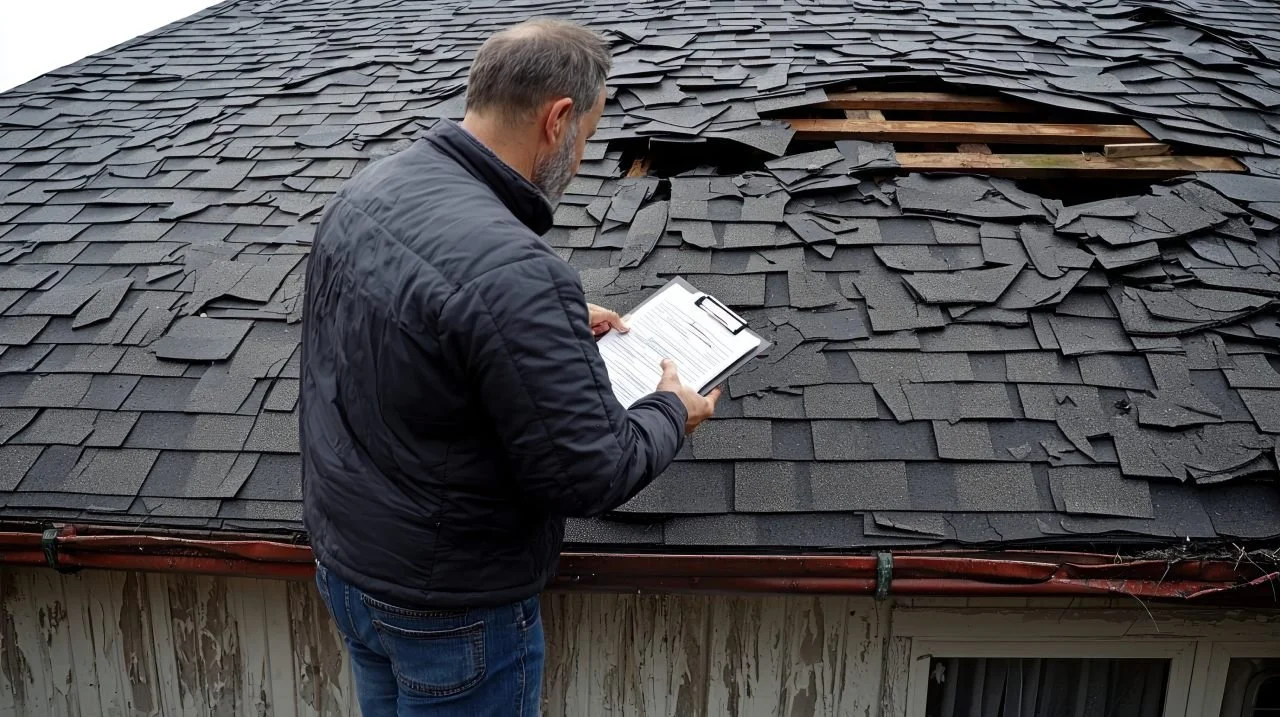
A severe storm can leave you dealing with missing shingles, roof leaks, fallen trees, or major structural damage with little warning. While repairing your roof is the immediate priority, understanding how the insurance process works can help reduce stress and improve the chances of a successful claim.
Many homeowners only file a roofing insurance claim once or twice in their lifetime, so it's easy to feel overwhelmed. Knowing what to do—and what to avoid—can make the process much smoother while helping ensure your home is restored properly.
Prioritise Safety First
Before thinking about insurance paperwork, make sure everyone in your home is safe.
If your roof has suffered significant damage, avoid entering areas with sagging ceilings, active leaks near electrical fixtures, or signs of structural instability. If necessary, evacuate the affected portion of your home until it can be safely inspected.
Never climb onto a damaged roof yourself. A professional roofing contractor has the equipment and experience to inspect storm damage safely.
Document the Damage Immediately
One of the most important steps in any insurance claim is documenting the damage as soon as it's safe to do so.
Take clear photographs of:
Missing shingles
Roof punctures
Fallen trees or limbs
Damaged gutters
Broken flashing
Interior water stains
Ceiling leaks
Damaged personal belongings
Photographs taken immediately after the storm help establish the condition of your property before cleanup or temporary repairs begin.
Prevent Further Damage
Most homeowners insurance policies expect you to take reasonable steps to prevent additional damage after a covered event.
Temporary protective measures may include:
Emergency roof tarping
Covering exposed roof decking
Removing loose debris when safe
Protecting belongings from water intrusion
These emergency measures can help minimise repair costs while demonstrating that you've acted responsibly after the damage occurred.
Keep all receipts related to temporary repairs, as they may be reimbursable depending on your policy.
Contact Your Insurance Company Promptly
Report the damage to your insurance company as soon as reasonably possible.
When filing your claim, be prepared to provide:
The date of the storm
A description of what happened
Photos of the damage
Contact information
Details about any emergency repairs already completed
Prompt reporting helps move the claims process forward and allows your insurer to schedule an adjuster inspection.
Schedule a Professional Roof Inspection
Before permanent repairs begin, have your roof inspected by an experienced roofing contractor.
A professional inspection can identify damage that may not be visible from the ground, including:
Lifted shingles
Damaged underlayment
Flashing failures
Hidden leaks
Roof decking damage
Structural concerns
A detailed inspection report also provides valuable documentation that can support your insurance claim.
Understand What Your Policy Covers
Every homeowners insurance policy is different.
Coverage often depends on:
The cause of the damage
The age of the roof
Policy exclusions
Deductibles
Replacement cost versus actual cash value coverage
Storm damage caused by wind, hail, or falling trees is commonly covered, while damage resulting from long-term neglect or poor maintenance may not be.
Review your policy carefully or ask your insurance representative to explain your coverage if you're unsure.
Meet with the Insurance Adjuster
Your insurance company will typically send an adjuster to inspect the damage.
If possible, having your roofing contractor present during the inspection can be helpful.
The contractor can:
Point out damage that may otherwise be overlooked
Explain recommended repairs
Answer technical questions
Provide supporting documentation
This collaborative approach often leads to a more accurate assessment of the damage.
Avoid Making Permanent Repairs Too Soon
It's understandable to want your roof repaired immediately, but unless emergency work is necessary to prevent further damage, avoid making permanent repairs before the insurance company has inspected the property.
Repairing everything beforehand can make it more difficult for the insurer to verify the original damage.
Temporary protective measures are generally appropriate while waiting for the claims process to move forward.
Beware of Roofing Scams After Storms
Major storms often attract contractors who travel from neighbourhood to neighbourhood offering immediate roofing services.
Be cautious of companies that:
Demand full payment upfront
Promise to "waive" your deductible
Pressure you into signing contracts immediately
Cannot provide proof of insurance
Lack a local business presence
Choosing a trusted local roofing contractor helps protect you from poor workmanship and ensures someone will be available if warranty issues arise later.
Keep Detailed Records
Throughout the repair process, maintain organised records of everything related to your claim.
Save:
Photos
Inspection reports
Insurance correspondence
Repair estimates
Invoices
Temporary repair receipts
Claim numbers
Having complete documentation makes it easier to answer questions and resolve any issues that may arise during the claim.
Don't Delay Necessary Repairs
Once your insurance claim is approved, schedule permanent repairs as soon as possible.
Delaying repairs can allow:
Small leaks to become larger
Wood rot to develop
Mould growth to spread
Structural damage to worsen
Addressing roof damage promptly helps protect your home and prevents additional repair costs in the future.
Trust Mr. Roof & Restoration to Help After Storm Damage
Navigating an insurance claim after emergency roof damage doesn't have to be overwhelming. Mr. Roof & Restoration provides comprehensive roof inspections, emergency roof protection, detailed storm damage documentation, and high-quality repairs to restore your home with confidence. Our experienced team works closely with homeowners throughout the repair process, helping ensure your roof is repaired properly while making the insurance experience as straightforward and stress-free as possible.
Choosing the Right Roofing Contractor After Sudden Damage
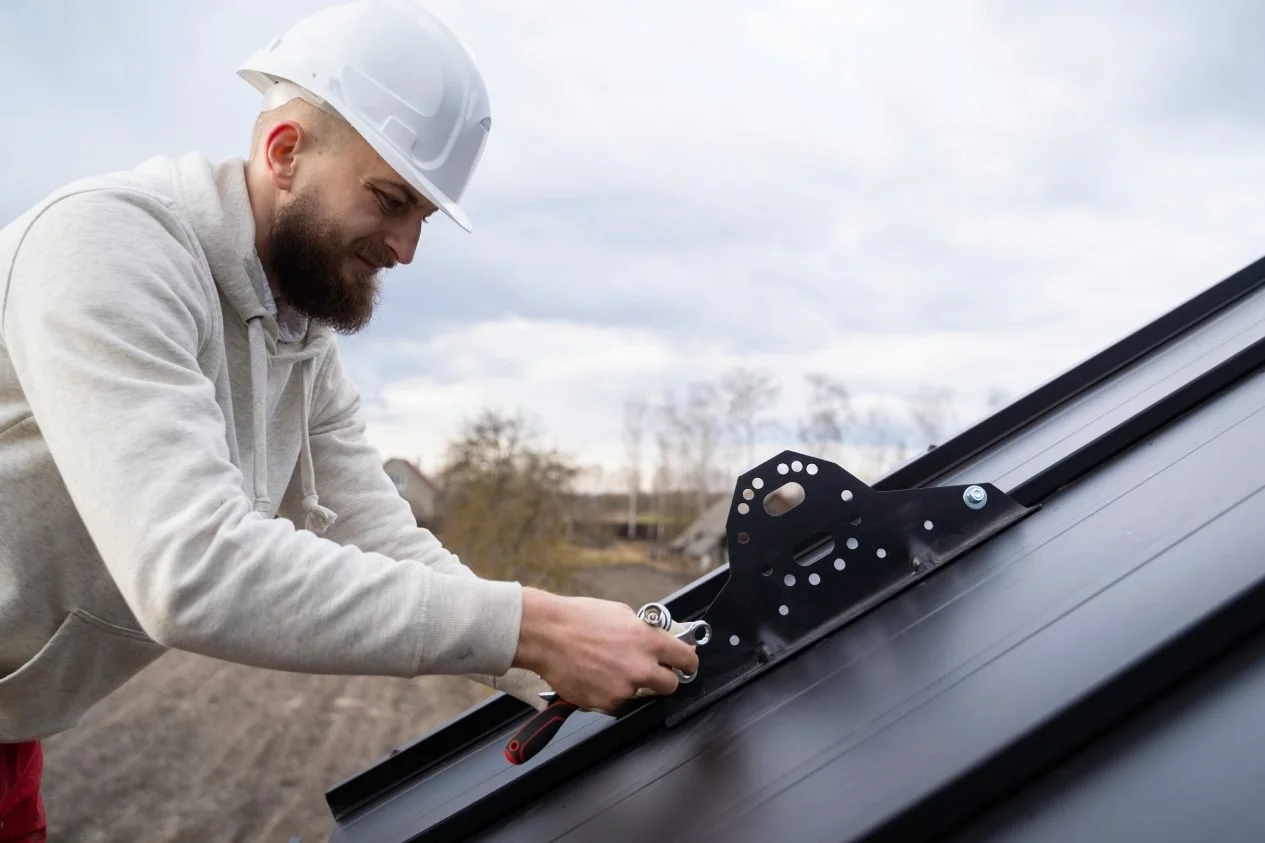
Severe weather can strike with little warning, leaving homeowners scrambling to deal with roof leaks, missing shingles, fallen trees, or significant structural damage. In the rush to protect your home, it's tempting to hire the first contractor who offers help. However, choosing the wrong roofing company can lead to poor workmanship, insurance complications, and costly repairs later.
Taking a little extra time to select a reputable roofing contractor can make all the difference in restoring your home properly. Here's what to look for after sudden roof damage.
Act Quickly—But Don't Rush Your Decision
After a storm, your priority should be preventing additional damage to your home. Emergency measures such as roof tarping or temporary leak protection are important, but they shouldn't force you into signing a contract immediately.
Unfortunately, severe weather often attracts contractors who travel from area to area following storms, looking to secure quick jobs before moving on. While some may be legitimate, others leave homeowners with poor-quality repairs and little recourse if problems arise later.
Take enough time to verify that the company you hire is qualified, experienced, and trustworthy.
Choose a Local Roofing Company
One of the biggest advantages of hiring a local contractor is accountability. Local companies have established reputations within the community and are far more likely to honour warranties and provide ongoing support if issues arise after the repair.
A local roofing contractor is also familiar with:
Regional weather conditions
Local building codes
Municipal permit requirements
Common roofing materials used in the area
Choosing a contractor with an established local presence gives you confidence that they'll still be available long after your roof has been repaired.
Verify Licensing and Insurance
Before agreeing to any roofing work, confirm that the contractor carries the appropriate licensing and insurance.
Ask for proof of:
General liability insurance
Workers' compensation insurance
Business licensing where applicable
Proper insurance protects both you and the contractor if an accident occurs during the project.
Never assume coverage exists simply because a contractor says they're insured.
Look for Storm Damage Experience
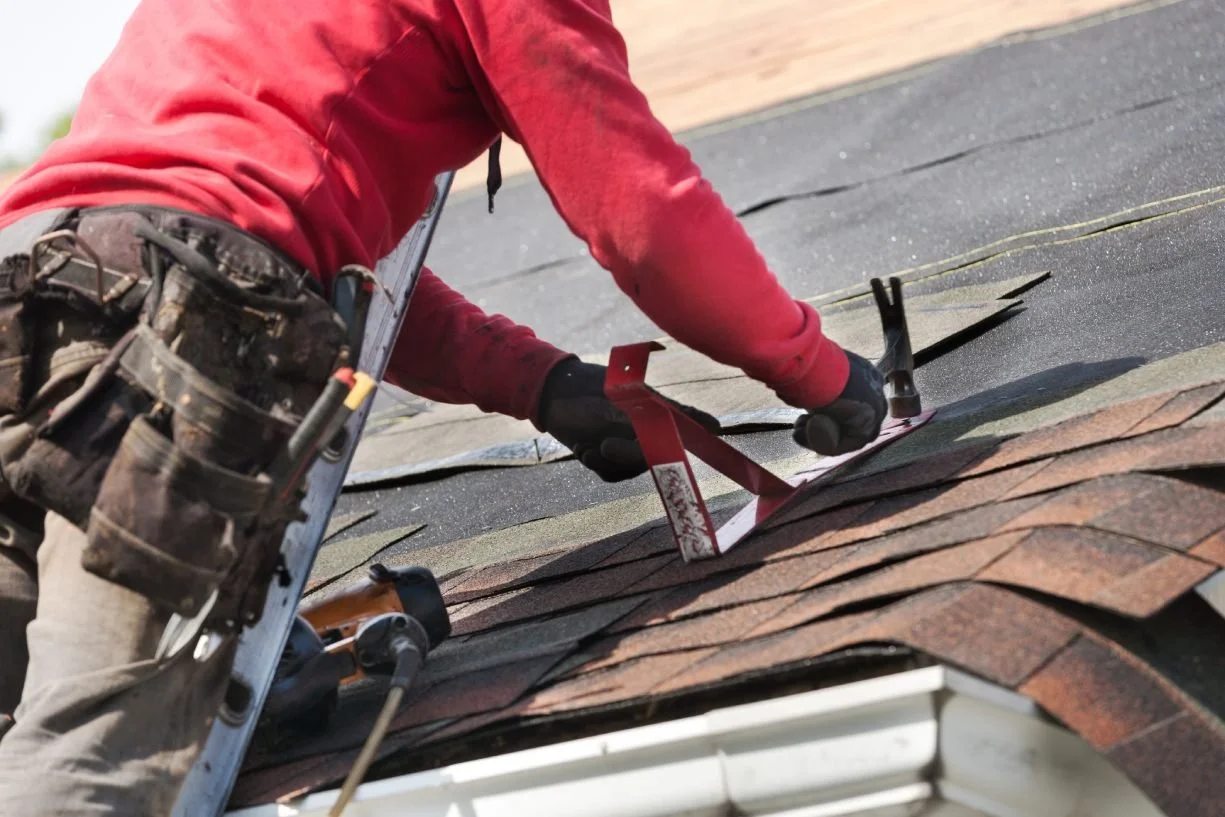
Emergency roofing repairs require a different approach than routine maintenance or planned roof replacements.
Contractors experienced in storm restoration understand how to identify:
Wind damage
Hail damage
Water intrusion
Hidden structural issues
Insurance-related documentation requirements
An experienced team knows how to perform thorough inspections that uncover damage homeowners may never notice themselves.
Read Reviews and Check References
Online reviews can provide valuable insight into a company's professionalism, communication, and workmanship.
Look for consistent feedback regarding:
Prompt response times
Quality of repairs
Clean job sites
Honest pricing
Customer service
Warranty support
If possible, ask the contractor for recent local references from homeowners who experienced similar storm damage.
A reputable company should have no problem providing examples of previous work.
Beware of High-Pressure Sales Tactics
Following major storms, homeowners are often approached by contractors going door to door offering immediate repairs.
Be cautious if someone:
Demands an immediate decision
Offers an unusually low estimate
Requests full payment upfront
Asks you to sign paperwork before an inspection
Claims your insurance company will automatically pay everything
Professional roofing companies educate homeowners rather than pressure them into making quick decisions.
Request a Detailed Inspection
A quality roofing contractor will perform a comprehensive inspection before recommending repairs.
The inspection should evaluate:
Shingles
Flashing
Gutters
Roof decking
Underlayment
Ventilation
Structural components
Interior signs of water damage
This thorough approach ensures hidden damage isn't overlooked simply because it isn't immediately visible.
Understand the Repair Plan
Before work begins, your contractor should clearly explain:
What damage was found
Which repairs are necessary
Which materials will be used
Expected project timeline
Warranty coverage
Estimated costs
You should never feel uncertain about the work being performed on your home.
Clear communication is often one of the strongest indicators of a professional roofing company.
Ask About Insurance Assistance
Many roofing contractors regularly work with homeowners during insurance claims.
While your contractor cannot decide what your insurance company will cover, they can often:
Document storm damage
Provide detailed inspection reports
Supply repair estimates
Answer adjuster questions
Help explain recommended repairs
Working with a contractor familiar with insurance claims can make the entire restoration process smoother and less stressful.
Don't Base Your Decision on Price Alone
When dealing with unexpected roof damage, it's natural to look for ways to reduce costs. However, the lowest estimate isn't always the best value.
Extremely low bids may indicate:
Inferior materials
Inexperienced labour
Incomplete repairs
Missing warranty protection
Shortcuts during installation
Quality roofing repairs are an investment in your home's long-term protection. Paying slightly more for experienced workmanship can help prevent expensive problems in the future.
Ask About Warranties
Reliable roofing contractors stand behind their work.
Before signing a contract, ask about:
Workmanship warranties
Manufacturer material warranties
Warranty transfer options
What is covered if issues develop later
A strong warranty demonstrates confidence in both the materials and the quality of installation.
Restore Your Roof with Confidence
Sudden roof damage can be stressful, but choosing the right contractor makes the recovery process much easier. Mr. Roof & Restoration provides prompt inspections, emergency roof protection, high-quality repairs, and honest guidance throughout every step of the restoration process. Our experienced team is committed to protecting your home with reliable workmanship and exceptional customer service, helping you recover quickly and confidently after unexpected roof damage.
Temp Fixes vs Permanent Roofing Repairs: Which When?
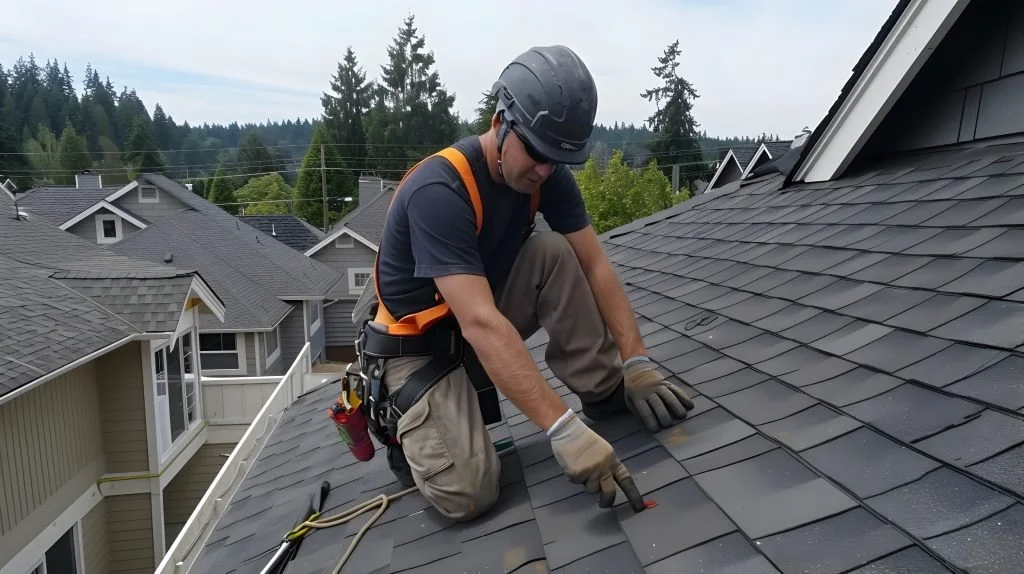
Roof damage never seems to happen at a convenient time. Whether it's caused by a severe summer storm, falling tree limbs, high winds, or hail, homeowners often need to act quickly to prevent further damage. In many cases, emergency measures are necessary immediately, but those temporary fixes are not meant to replace a proper roof repair.
Understanding the difference between temporary and permanent roofing repairs can help you make informed decisions, protect your home, and avoid more expensive problems down the road.
Why Temporary Repairs Are Sometimes Necessary
When your roof is suddenly damaged, the priority is stopping additional water from entering your home. Waiting several days—or even a few hours during heavy rain—can allow moisture to spread into insulation, drywall, flooring, and structural framing.
Temporary repairs are designed to stabilise the situation until permanent repairs can be completed safely.
These emergency measures help reduce further damage while giving your roofing contractor time to perform a complete inspection and develop the appropriate repair plan.
Common Temporary Roofing Solutions
Professional roofers often use several emergency methods depending on the type and severity of the damage.
Some of the most common temporary repairs include:
Emergency roof tarping
Temporary waterproof coverings
Sealing small active leaks
Covering exposed decking
Removing loose debris that could worsen damage
Securing loose flashing or shingles
These repairs are intended to buy time—not permanently solve the problem.
When Temporary Repairs Make Sense
Temporary repairs are appropriate in situations where immediate permanent work isn't possible.
Examples include:
During Ongoing Severe Weather
If storms are still moving through the area, completing a full repair may not be safe. Installing a protective tarp can keep water out until weather conditions improve.
Waiting on Insurance Approval
Many homeowners prefer to wait until their insurance adjuster has inspected the damage before permanent repairs begin. Temporary protection helps prevent additional deterioration while the claims process moves forward.
Material Availability
Some roofing materials require ordering, particularly specialty shingles, metal panels, or custom flashing. Temporary repairs keep your home protected while materials arrive.
Emergency Scheduling
Following major storms, roofing companies often experience extremely high demand. Temporary repairs help protect your home until a full repair appointment becomes available.
The Limitations of Temporary Repairs
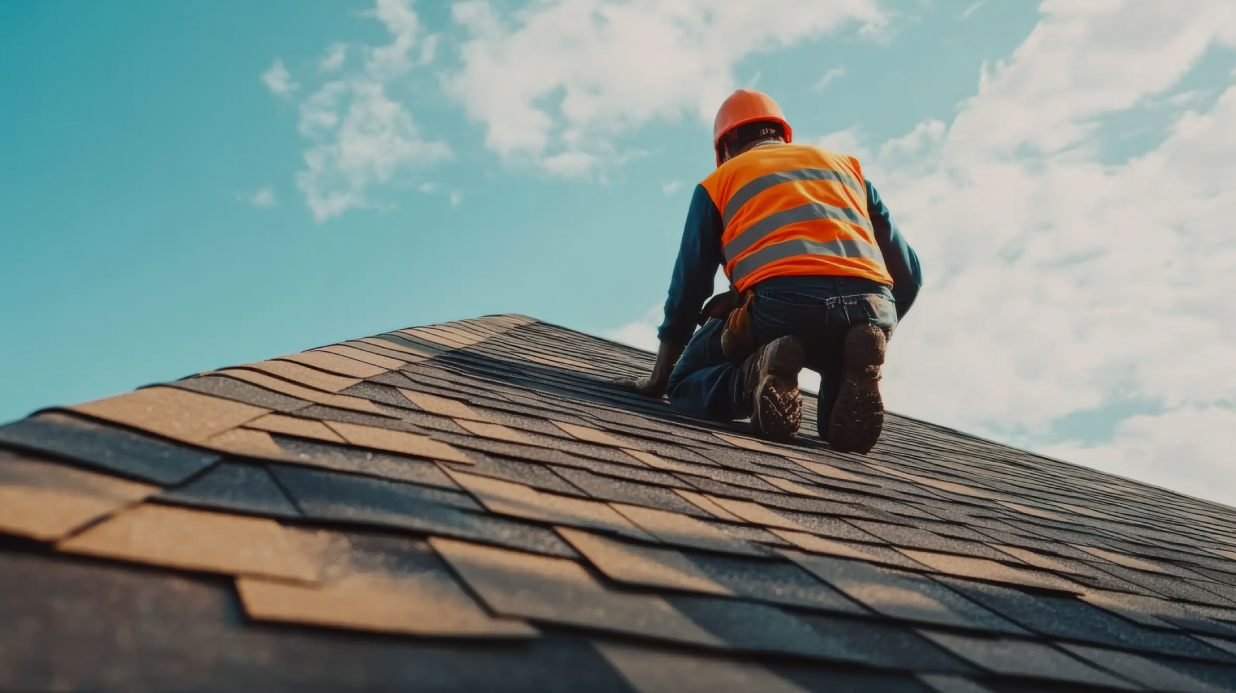
Although temporary repairs are important, they have limitations.
A roof tarp cannot replace damaged shingles or restore compromised structural components. Temporary sealants eventually deteriorate when exposed to sunlight, rain, and changing temperatures.
Relying on temporary repairs for too long can lead to:
Continued water intrusion
Mould growth
Rotting roof decking
Damaged insulation
Higher repair costs later
The longer permanent repairs are delayed, the greater the risk of additional damage.
What Permanent Roofing Repairs Include
Permanent repairs restore your roof's integrity and ensure it can continue protecting your home for years to come.
Depending on the damage, permanent repairs may involve:
Replacing missing shingles
Installing new underlayment
Repairing roof decking
Replacing flashing
Repairing ventilation components
Rebuilding damaged roof sections
Installing new gutters if necessary
The goal is not simply to stop the leak but to restore the roofing system to proper working condition.
How Roofers Decide Which Repair Is Needed
Every roof is different, and no two storm events cause exactly the same damage.
A professional roofing inspection evaluates:
The extent of visible damage
Hidden moisture intrusion
Structural integrity
Roof age
Existing wear and tear
Whether repairs will provide a long-term solution
In some situations, a relatively small repair may fully restore the roof. In others, widespread damage may make roof replacement the better long-term investment.
Don't Attempt DIY Emergency Repairs
Many homeowners are tempted to climb onto the roof themselves after a storm.
Unfortunately, this often creates additional risks.
Damaged roofs can have:
Slippery surfaces
Hidden weak spots
Loose debris
Electrical hazards
Structural instability
Improper repairs can also void manufacturer warranties or complicate insurance claims.
Professional roofers have the training, equipment, and safety practices needed to perform emergency work correctly.
Why Acting Quickly Matters
Even small roof leaks rarely stay small for long.
Water can travel through insulation, rafters, and walls before becoming visible inside your home. By the time a ceiling stain appears, moisture may already have caused significant hidden damage.
Prompt temporary protection followed by permanent repairs helps minimise:
Structural deterioration
Interior water damage
Mould growth
Increased repair expenses
Disruption to your daily life
Addressing roof damage early is almost always less expensive than waiting until the problem becomes larger.
Work with a Trusted Local Roofing Contractor
Following severe storms, homeowners are often approached by contractors offering quick, inexpensive repairs. While some may be legitimate, others perform only temporary work without addressing the underlying damage.
A reputable local roofing contractor will:
Conduct a thorough inspection
Explain the difference between temporary and permanent repairs
Provide clear recommendations
Use quality materials
Stand behind their workmanship
Assist with insurance documentation when needed
Choosing an experienced roofing company ensures the repair solves the problem rather than simply covering it up.
Protect Your Home with the Right Repair
Temporary repairs play an important role in protecting your home immediately after roof damage, but they should always be followed by a permanent solution. Mr. Roof & Restoration provides fast emergency response, professional roof inspections, temporary roof protection, and lasting roofing repairs that restore your home's safety and performance. If your roof has been damaged by a storm, don't settle for a short-term fix—schedule a professional inspection and make sure your roof is repaired the right way.
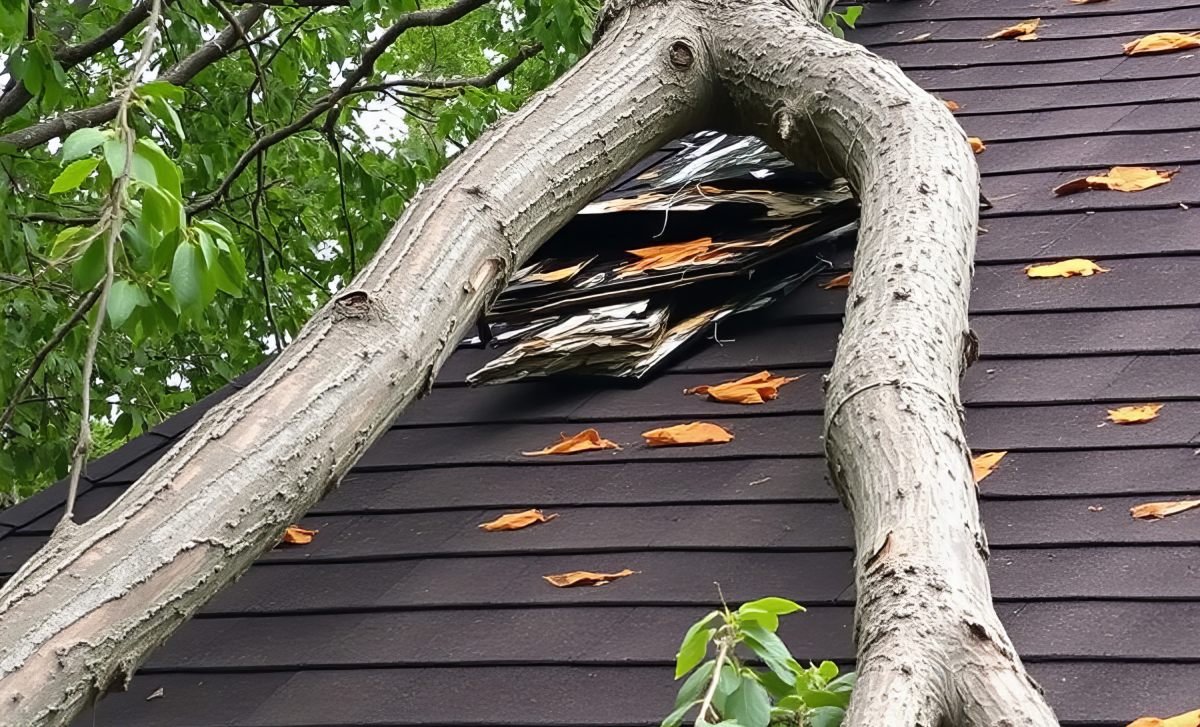
How to Handle Fallen Tree or Limb Damage?
Strong storms, high winds, and saturated soil can cause trees and large branches to fall without warning. When a tree or heavy limb lands on your roof, the damage can range from a few broken shingles to significant structural issues that make your home unsafe. While the situation can feel overwhelming, taking the right steps immediately can help protect your family, minimise further damage, and simplify the repair and insurance process.
Here's what every homeowner should know if a fallen tree or limb damages their roof.
Prioritise Everyone's Safety
The first and most important step is ensuring everyone inside the home is safe. A fallen tree may have compromised the roof's structure, making certain areas unstable. If the impact caused part of the ceiling to sag, exposed electrical wiring, or major water intrusion, leave the affected area immediately.
If you suspect structural instability or notice sparks, a gas smell, or downed power lines, evacuate the home and contact emergency services or your utility provider before doing anything else.
Never attempt to climb onto a damaged roof to inspect the problem yourself. Even if the tree appears stable, the roof underneath may not be.
Assess the Damage from the Ground
Once it's safe to go outside, perform a visual inspection from the ground. Look for obvious signs of damage without getting too close to the tree or climbing onto the roof.
Common signs include:
Large branches resting on the roof
Visible holes in the roofing system
Crushed or missing shingles
Damaged gutters
Bent flashing
Roof sections that appear to sag
Broken skylights or vents
Also inspect nearby fencing, siding, windows, and vehicles, as falling trees often damage multiple parts of the property.
Document Everything
Before moving debris or arranging repairs, take clear photographs of the damage.
Capture images of:
The fallen tree or limb
All affected roof areas
Interior leaks or ceiling damage
Damaged gutters, siding, or windows
Any personal property that was impacted
The more documentation you have, the easier it will be to support your insurance claim later.
Contact Your Insurance Company
Most homeowners insurance policies cover sudden tree damage caused by storms, wind, or other covered events. Contact your insurance provider as soon as possible to report the incident.
Be prepared to provide:
The date and time of the event
Photos of the damage
A description of what happened
Information about any emergency repairs already completed
Keep copies of all invoices related to temporary protection or emergency services, as these expenses may be reimbursable under your policy.
Call a Professional Roofing Contractor
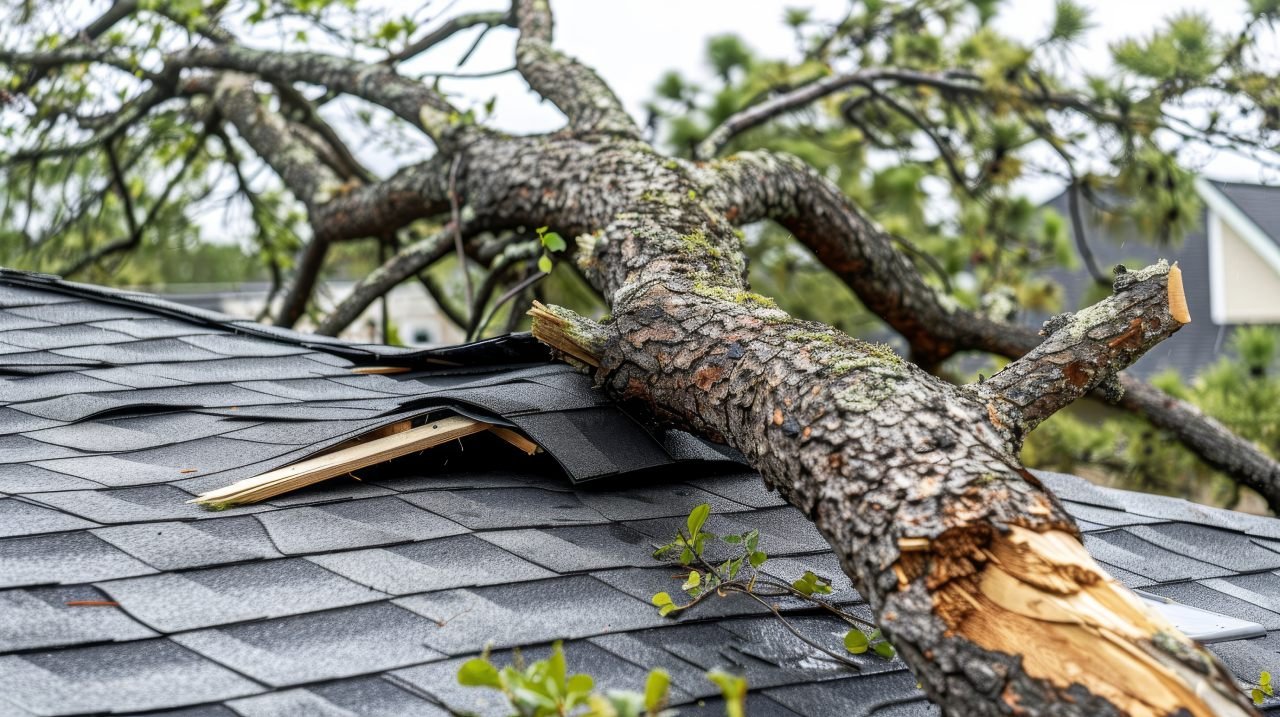
After a tree impacts your roof, it's important to have a qualified roofing contractor inspect the entire roofing system—not just the visible damage.
The impact may have affected:
Roof decking
Rafters and framing
Flashing
Underlayment
Attic insulation
Ventilation systems
Even relatively small limbs can loosen shingles or create hidden damage that eventually leads to leaks if left unrepaired.
A professional inspection provides a complete understanding of what needs to be repaired or replaced.
Arrange Safe Tree Removal
Many homeowners assume the roofing contractor should remove the tree, but tree removal should generally be handled by an experienced tree service, especially if the tree is large or unstable.
Improper removal can:
Cause additional roof damage
Create safety hazards
Shift weight unexpectedly
Damage nearby structures
The roofing contractor and tree removal company can often coordinate to ensure the tree is removed safely before roofing repairs begin.
Prevent Further Water Damage
If the roof has been punctured or exposed, temporary protection is essential until permanent repairs can be completed.
Emergency measures may include:
Installing heavy-duty roof tarps
Covering exposed decking
Removing loose debris
Redirecting water away from openings
Quick action helps minimise damage to ceilings, drywall, flooring, insulation, and personal belongings inside the home.
Don't Ignore Hidden Structural Damage
One of the biggest mistakes homeowners make is focusing only on visible roofing damage.
A significant impact can weaken structural components inside the roof that aren't immediately obvious. Without proper repairs, these hidden issues may worsen over time, leading to:
Roof sagging
Wood rot
Persistent leaks
Mould growth
Reduced structural integrity
A thorough inspection ensures every damaged component is identified before repairs begin.
Be Careful with Emergency Repair Offers
Following major storms, many homeowners receive unsolicited offers from contractors claiming they can repair the damage immediately.
Before hiring anyone:
Verify they are licensed and insured.
Ask for local references.
Obtain a written estimate.
Avoid paying the full amount upfront.
Confirm warranty details before signing a contract.
Choosing a trusted local roofing company gives you confidence that the work will be completed properly and that someone will be available if future issues arise.
Reduce the Risk of Future Tree Damage
While not every accident can be prevented, regular tree maintenance can significantly reduce the risk of future roof damage.
Consider:
Removing dead or diseased trees
Trimming limbs that hang over the roof
Inspecting mature trees after severe weather
Keeping trees healthy through regular maintenance
Having an arborist evaluate trees showing signs of decline
Preventative tree care can help protect both your roof and your property during future storms.
Restore Your Roof with Confidence
A fallen tree can be stressful, but fast, professional action makes all the difference. Mr. Roof & Restoration provides prompt roof inspections, emergency roofing services, and high-quality repairs to restore your home's safety after storm-related tree damage. Whether the impact caused a few broken shingles or major structural damage, our experienced team can assess the situation, work with your insurance company, and complete the repairs needed to protect your home for years to come.

What to Do When Your Roof Is Damaged in a Summer Storm?
Summer storms can roll through Georgia with little warning, bringing heavy rain, high winds, hail, and falling debris that can leave your roof damaged in a matter of minutes. Even if the damage appears minor from the ground, waiting too long to address the problem can lead to water intrusion, mould growth, insulation damage, and costly structural repairs.
Knowing what to do immediately after a storm can help protect your home, minimise repair costs, and make the insurance claims process much smoother. Here's a step-by-step guide to handling roof damage after a severe summer storm.
Put Safety First
Your first priority should always be the safety of your family. If you suspect significant roof damage, avoid going outside during the storm or climbing onto the roof afterwards. Wet shingles, hidden structural damage, and downed power lines can create dangerous conditions.
If you notice severe leaks, sagging ceilings, or water dripping near electrical fixtures, move everyone away from the affected area and shut off electricity to that portion of the home if it can be done safely.
Never attempt to inspect or repair storm damage yourself.
Perform a Ground-Level Inspection
Once the weather has cleared, walk around your property and look for visible signs of damage from the ground.
Common indicators include:
Missing or lifted shingles
Pieces of shingles in your yard
Bent or detached gutters
Fallen branches on the roof
Damaged flashing
Visible dents from hail
Debris covering roof valleys
Even if everything appears normal, hidden damage may still exist. High winds can loosen shingles without tearing them off, allowing water to penetrate during the next rainfall.
Check Your Attic
Some of the earliest signs of roof damage appear inside the home rather than outside.
Inspect your attic for:
Water stains
Damp insulation
Visible daylight through the roof deck
Wet rafters
Dripping water
Catching these problems early can prevent widespread moisture damage throughout your home.
Document Everything
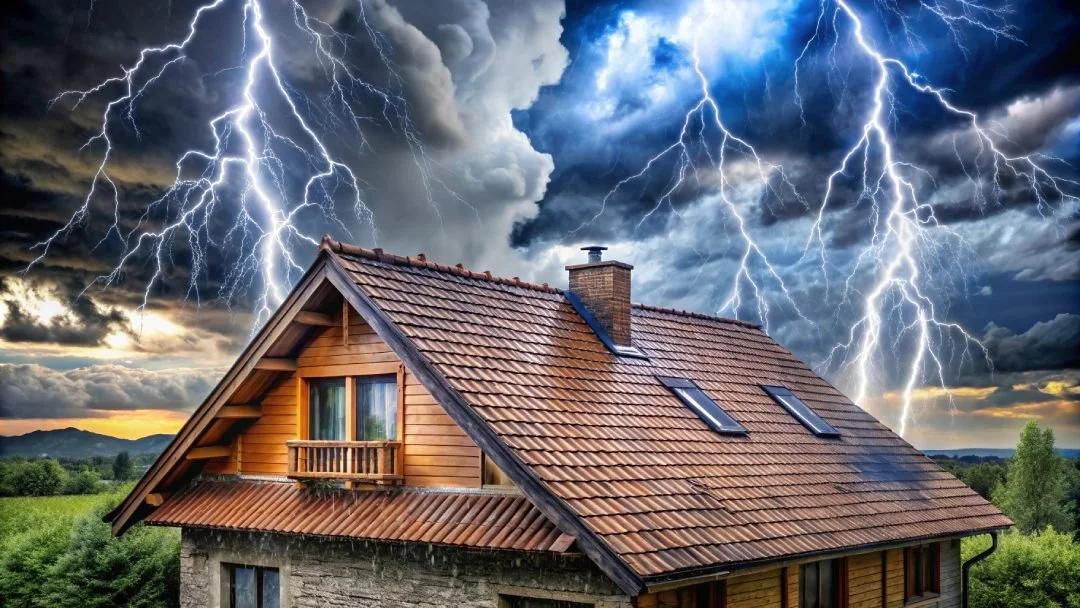
Before making temporary repairs or cleaning up debris, take photographs of all visible damage.
Document:
Roof damage
Fallen trees or limbs
Damaged gutters
Interior water damage
Broken siding or windows
Debris around your property
Good documentation helps support your insurance claim and provides a clear record of the storm's impact.
Contact a Professional Roofing Contractor
One of the biggest mistakes homeowners make is assuming minor damage can wait.
A professional roofing inspection can identify issues that aren't visible from the ground, including:
Lifted shingles
Damaged underlayment
Compromised flashing
Soft spots
Hidden leaks
Structural concerns
Professional roofers can also determine whether repairs are sufficient or if a larger restoration is necessary.
Prevent Additional Damage
If your roof has active leaks, temporary protective measures may be necessary until permanent repairs can be completed.
These might include:
Emergency tarping
Temporary leak sealing
Removing dangerous debris
Protecting exposed roof decking
Quick action helps minimise water damage inside your home and demonstrates to your insurance company that you've taken reasonable steps to prevent further losses.
Contact Your Insurance Company
If storm damage appears significant, notify your homeowners insurance provider as soon as possible.
Be prepared to provide:
Date of the storm
Photos of damage
Contractor inspection findings
Emergency repair invoices
Estimates for permanent repairs
Many insurance companies require prompt reporting after storm events.
Working with a roofing contractor experienced in insurance claims can make the process much less stressful.
Watch for Delayed Signs of Damage
Not every roofing problem becomes obvious immediately after a storm.
Over the following weeks, watch for:
Ceiling stains
Musty odours
Peeling paint
Rising energy bills
Missing granules in gutters
Loose shingles
Even small leaks can gradually lead to wood rot, mould growth, and insulation damage if left untreated.
Beware of Storm Chasers
After major storms, neighbourhoods often attract out-of-town contractors offering immediate repairs.
Be cautious of companies that:
Go door-to-door without being asked
Demand full payment upfront
Pressure you into signing contracts immediately
Cannot provide proof of insurance or licensing
Lack local references
Choosing an established local roofing company means you'll have someone who stands behind their work long after the storm has passed.
Schedule Repairs Promptly
Even if your roof is still functioning, delaying repairs can allow minor issues to become major problems.
Small openings can quickly lead to:
Interior water damage
Mould growth
Damaged insulation
Deck deterioration
Increased repair costs
Addressing storm damage early helps preserve the life of your roofing system and protects your home's value.
Protect Your Home Before the Next Storm
Summer storm season often brings multiple severe weather events. Once repairs are complete, ask your roofing contractor whether your roof could benefit from preventative maintenance or reinforcement.
Routine inspections, secure flashing, clean gutters, and replacing aging shingles can all improve your roof's ability to withstand future storms.
Trust Mr. Roof & Restoration After Storm Damage
When severe weather damages your roof, you need a contractor who responds quickly and performs repairs correctly the first time. Mr. Roof & Restoration provides thorough storm damage inspections, emergency roof repairs, insurance claim assistance, and quality roofing solutions that help protect Georgia homes year-round. If your roof has been impacted by a summer storm, don't wait for the damage to get worse—schedule a professional inspection as soon as possible.
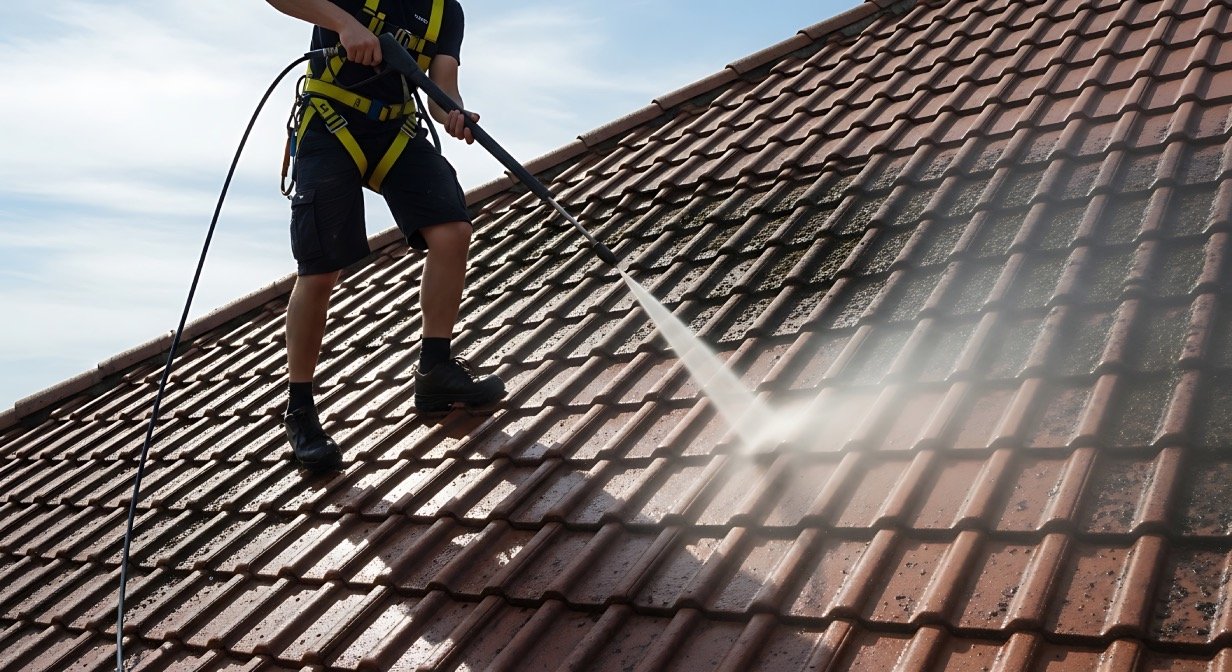
Why Does Routine Roof Care Matter in Oakwood's Climate?
The local climate in Oakwood, Georgia, subjects residential structures to intense humidity, heavy seasonal downpours, and sudden windstorms. A roofing system shields the interior from these elements, but environmental exposure causes gradual degradation of the outermost layers. Neglecting minor wear leads to a rapid breakdown of the protective barrier. When moisture breaches the top layer, it penetrates the underlying deck, setting off a cycle of rot that compromises the stability of the home.
Proactive attention stops small vulnerabilities from expanding into major structural failures. A minor crack in a seal allows water to seep behind structural boards during a storm, which triggers mold growth inside attic spaces. Addressing these issues immediately maintains the structural integrity of the property. Routine oversight serves as the primary defense against the natural aging process, preserving the safety of the household.
What Happens When Debris and Blockages Accumulate?
Wooded neighborhoods in the region contribute a steady accumulation of leaves, twigs, and pine needles onto residential structures. This organic material traps moisture against the surface, accelerating the deterioration of asphalt shingles. Prolonged exposure to damp debris strips away the protective granules that shield the material from ultraviolet radiation. The resulting degradation leaves the underlying layers exposed to the sun and rain, causing them to warp and crack.
Unrestricted drainage is vital during a heavy Georgia downpour. When organic blockages obstruct the flow of water, pools form along the roof eaves. This standing water backs up under the lower shingle courses, rotting the fascia boards and leaking into the soffits. Ensuring clean drainage pathways through clear gutters allows water to exit the structure efficiently, eliminating the risk of foundation erosion and interior ceiling stains.
How Do Vulnerable Penetrations and Ventilation Failures Cause Leaks?
Chimneys, skylights, and ventilation pipes pierce the main plane of a roof, creating natural focal points for potential water entry. These intersections rely entirely on the integrity of metal flashing and specialized sealants. Thermal expansion and contraction cause these materials to shift, crack, and pull away from the structures over time. If an opening develops around a chimney, rainfall channels directly into the attic insulation, destroying its thermal properties before the leak becomes visible in the living space.
Attic airflow plays an equally critical role in the preservation of the system. Inadequate ventilation traps intense summer heat and moisture directly underneath the roof deck. This heat cooks the shingles from below, causing premature blistering and curling. In cooler months, trapped humidity condenses on the underside of the wood decking, causing dark mold growth and wood decay. Regular evaluations verify that balanced intake and exhaust pathways remain unobstructed, reducing the thermal strain on the entire property.
Why Is Professional Oversight Essential After Local Storms?
High winds and hailstorms frequently pass through Hall County, leaving hidden damage in their wake. Hail impacts bruise the shingle mat, fracturing the fiberglass reinforcement beneath the surface without showing immediate signs of failure from the ground. Wind gusts lift shingles, breaking the thermal seal underneath and leaving the roof vulnerable to the next rainfall. Relying on an expert roof inspection reveals these hidden structural compromises before the next weather event occurs.
Identifying storm impacts early provides clear evidence regarding the true state of the property. Documenting these changes immediately assists property owners who need to navigate the financial aspects of recovery through insurance claim processing. Waiting until a major failure manifests inside the home complicates the documentation process and extends the timeline for structural recovery.
Whether a property requires minor roof repair or complete roof replacement, addressing the issue early protects the investment. This same proactive approach safeguards larger commercial properties, making consistent oversight a necessity for commercial roofing systems across the region.
Since 2016, Mr. Roof & Restoration has supplied the technical skills required to protect the homes and businesses serving the Oakwood community. This proactive dedication to comprehensive maintenance keeps structural materials functioning optimally despite intense regional heat and moisture. Residential and commercial properties alike face constant exposure to severe storm fronts that sweep through Hall County. Overlooking minor exterior changes allows water infiltration to silently compromise attic spaces and ceiling joists. Relying on specialized knowledge guarantees that every potential point of vulnerability receives immediate attention before leaks manifest inside.
Maintaining a secure exterior shell prevents localized decay from spreading into major foundational deterioration. Partnering with localized industry experts remains the most effective method for securing long-term structural health. This consistent oversight preserves property values and ensures structural stability for local owners.
Signs Your Roof Is Overheated and What You Should Do
Georgia summers can be brutal on your home, especially your roof. While roofing materials are designed to withstand years of exposure to the elements, prolonged periods of intense heat and sunlight can take a toll over time. Roof surface temperatures can exceed 150°F during the hottest days of the year, placing constant stress on shingles, flashing, sealants, and the underlying roof structure.
The problem is that heat damage doesn't usually happen overnight. It develops gradually, often going unnoticed until homeowners begin seeing higher energy bills, damaged shingles, or even roof leaks. Knowing the warning signs of an overheated roof can help you address small issues before they become expensive repairs or require a full roof replacement.
Why Roofs Overheat
Your roof is exposed to direct sunlight for hours every day. As roofing materials absorb solar heat, temperatures continue rising throughout the afternoon.
Several factors can make overheating even worse, including:
Dark-colored roofing materials
Poor attic ventilation
Inadequate insulation
Aging roofing materials
High humidity
Prolonged heat waves
Without proper ventilation to release trapped heat, both the roof surface and attic can become excessively hot.
Sign #1: Your Attic Feels Extremely Hot
One of the earliest signs of an overheating roof is excessive attic temperature.
While attics naturally become warmer than the rest of the home, they should not feel dangerously hot.
If stepping into your attic during summer feels like entering an oven, poor ventilation may be trapping heat beneath your roof.
Excessive attic temperatures can:
Increase cooling costs
Reduce insulation efficiency
Accelerate shingle aging
Create moisture problems
A roofing professional can evaluate whether your attic ventilation system is functioning properly.
Sign #2: Rising Energy Bills
If your electricity bills continue climbing despite similar thermostat settings and normal HVAC operation, your roof could be contributing to the problem.
As heat transfers through the roof into your attic, your air conditioner must work longer to cool your home.
A roof that absorbs excessive heat often leads to:
Longer cooling cycles
Higher utility bills
Reduced indoor comfort
Increased HVAC wear
Improving ventilation or upgrading roofing materials may help improve energy efficiency.
Sign #3: Curling or Warped Shingles
High temperatures combined with years of UV exposure can cause asphalt shingles to lose flexibility.
As shingles deteriorate, they may begin to:
Curl along the edges
Warp
Crack
Become brittle
These changes reduce the roof's ability to shed water effectively and often indicate that the roofing system is aging prematurely.
Sign #4: Granules in Your Gutters
Asphalt shingles are coated with protective granules that shield them from sunlight.
Over time, excessive heat and UV exposure cause these granules to loosen.
If you notice large amounts of granules collecting inside your gutters or around downspouts, your shingles may be losing an important layer of protection.
Granule loss often signals accelerated roof aging.
Sign #5: Uneven Indoor Temperatures
Do certain rooms always feel hotter than others during summer?
While several factors can contribute to uneven temperatures, poor roof ventilation is often one of them.
Heat trapped beneath the roof tends to accumulate in upper levels of the home, making second-story rooms particularly uncomfortable.
A roofing inspection can determine whether ventilation improvements may help balance indoor temperatures.
Sign #6: Damaged Roof Components
Heat affects more than shingles.
Other roofing components can also deteriorate from prolonged exposure.
Inspectors often find damage involving:
Flashing
Vent boots
Roof sealants
Ridge vents
Pipe collars
These materials expand and contract daily during hot weather, eventually leading to cracks, gaps, or water intrusion.
Sign #7: Roof Leaks After Summer Storms
Heat itself doesn't cause leaks, but it weakens roofing materials over time.
Once afternoon thunderstorms arrive, water can enter through areas that have already been compromised by heat-related wear.
Leaks that appear during or after heavy summer rain may indicate:
Failed flashing
Cracked shingles
Damaged sealants
Aging roofing materials
Prompt repairs help prevent additional structural damage.
What You Should Do if Your Roof Is Overheating
If you suspect excessive heat is affecting your roof, taking action early can prevent more costly problems later.
Start by scheduling a professional roof inspection.
A roofing contractor can evaluate:
Roofing material condition
Ventilation performance
Attic airflow
Flashing condition
Signs of moisture
Overall roof lifespan
Depending on the findings, recommended solutions may include repairs, ventilation improvements, insulation upgrades, or planning for a future roof replacement.
Prevent Heat Damage Before It Starts
Regular maintenance is the best defense against long-term heat damage.
Homeowners should consider:
Annual roof inspections
Cleaning gutters regularly
Keeping roof vents unobstructed
Trimming tree branches when appropriate
Monitoring attic temperatures
Addressing minor repairs promptly
Preventive maintenance helps roofing systems perform better during Georgia's demanding summer climate.
Protect Your Roof from Georgia's Summer Heat
An overheated roof doesn't always produce obvious warning signs, but small changes like rising energy bills, curling shingles, or excessive attic temperatures often indicate that your roofing system is under stress. Addressing these issues early can extend the life of your roof, improve your home's energy efficiency, and help you avoid expensive repairs.
At Mr Roof & Restoration, we provide professional roof inspections, repairs, and replacement services for homeowners throughout North Georgia. If you're concerned about heat-related roof damage or simply want peace of mind before the next storm arrives, our experienced team is ready to evaluate your roof and recommend the right solutions to keep your home protected year-round.
Handling Roof Repairs Mid-Summer: Tips & Best Practices
Summer is one of the busiest seasons for roofing contractors in Georgia—and for good reason. Warm, dry weather often provides ideal conditions for roof repairs and replacements. At the same time, the intense summer heat, sudden afternoon thunderstorms, and high humidity can create unique challenges for both homeowners and roofing professionals.
If your roof develops a leak or suffers storm damage during the hottest months of the year, it's important to address the problem promptly. Delaying repairs can allow small issues to grow into costly structural damage. Understanding how roof repairs are handled during mid-summer can help you prepare for the process and ensure your home stays protected.
Why Summer Is a Popular Time for Roof Repairs
While roofing work takes place year-round, summer offers several advantages.
These include:
Longer daylight hours
Faster material installation
Reduced risk of weather delays during dry periods
Easier scheduling for homeowners
Favorable conditions for many roofing products
However, roofing crews also have to account for extreme temperatures that can affect both worker safety and roofing materials.
Don't Ignore Small Roofing Problems
A minor issue may not seem urgent, but Georgia's summer weather can quickly make things worse.
Small roofing problems often become larger because of:
Heavy rainstorms
High winds
Intense UV exposure
Daily expansion and contraction of roofing materials
What starts as a loose shingle or small flashing issue can eventually lead to water intrusion, insulation damage, mold growth, or wood rot.
Prompt repairs almost always cost less than waiting until the damage spreads.
Common Summer Roof Repairs
Some roofing issues become especially common during the warmer months.
Roofing contractors frequently repair:
Missing or damaged shingles
Wind damage
Flashing damage
Pipe boot deterioration
Ridge vent damage
Nail pops
Damaged roof vents
Summer inspections often reveal heat-related wear that developed gradually over previous seasons.
How High Temperatures Affect Roofing Materials

Roof surfaces become extremely hot during Georgia summers.
On sunny afternoons, asphalt shingles may exceed 150°F.
Because of this, experienced roofing contractors often adjust their work schedules to complete physically demanding tasks during cooler morning hours.
Some roofing materials also become softer in extreme heat, requiring careful handling during installation to avoid unnecessary damage.
Professional roofing crews understand these conditions and use installation techniques that protect both the materials and the finished roof.
Be Prepared for Afternoon Storms
Georgia weather can change quickly during the summer.
Many days begin with clear skies before afternoon thunderstorms develop.
Professional roofing contractors closely monitor weather forecasts and plan repairs accordingly.
If rain is expected:
Temporary waterproof coverings may be installed.
Open roof sections are minimized.
Materials are secured.
Work schedules are adjusted for safety.
Protecting your home from unexpected weather is a key part of every professional roofing project.
Should You Wait Until Fall?
Some homeowners wonder whether it's better to postpone repairs until cooler weather arrives.
In most cases, the answer is no.
Waiting several months can allow:
Small leaks to grow
Moisture to spread into insulation
Mold development
Structural wood damage
Interior ceiling damage
Unless your contractor specifically recommends delaying work due to weather conditions, repairing roof damage promptly is usually the best decision.
Preparing Your Home for Roof Repairs
Before your roofing project begins, a few simple preparations can make the process smoother.
Homeowners should consider:
Moving vehicles away from the work area
Removing fragile items from walls and shelves
Keeping children and pets indoors
Trimming tree branches that interfere with roof access
Clearing driveways if requested
These steps improve safety while helping the project stay on schedule.
Choose a Qualified Roofing Contractor
Summer is one of the busiest seasons for roofing companies, making it especially important to choose an experienced contractor.
Look for a company that:
Is licensed and insured
Has positive local reviews
Offers written estimates
Uses quality roofing materials
Provides workmanship warranties
Communicates clearly throughout the project
Working with an established local contractor helps ensure repairs are completed properly the first time.
Schedule a Roof Inspection After Summer Storms
Even if your roof appears undamaged from the ground, severe weather can leave behind hidden problems.
A professional inspection may identify:
Lifted shingles
Loose flashing
Hail impacts
Granule loss
Damaged vents
Minor leaks before they become major repairs
Early detection can significantly reduce repair costs while extending the life of your roof.
Protect Your Home All Summer Long
Georgia's summer weather brings sunshine, heat, humidity, and powerful storms—all of which can affect your roofing system. Addressing roofing issues promptly, working with an experienced contractor, and scheduling regular inspections are the best ways to keep your home protected throughout the season.
At Mr Roof & Restoration, we provide dependable roof inspections, repairs, and replacement services for homeowners across North Georgia. Whether you're dealing with storm damage, a persistent leak, or signs of heat-related wear, our experienced team is ready to deliver quality workmanship and lasting solutions that keep your roof performing at its best.
Cool Roof Coatings & Shading: Lowering Your Energy Bills
Keeping your home cool during a Georgia summer can be expensive. As temperatures climb into the 90s and the sun beats down for hours each day, your roof absorbs a tremendous amount of heat. That heat eventually transfers into your attic and living spaces, forcing your air conditioning system to work overtime. The result is higher monthly energy bills and additional wear on your HVAC system.
Fortunately, there are ways to reduce heat absorption and improve your home's energy efficiency. Cool roof coatings, reflective roofing materials, and strategic shading can all help lower roof temperatures while extending the life of your roofing system. Whether you're planning a roof replacement or looking for ways to improve your existing roof, these solutions can provide long-term benefits for Georgia homeowners.
Why Your Roof Gets So Hot
Many roofing materials naturally absorb sunlight throughout the day.
Dark-colored asphalt shingles, for example, can reach surface temperatures of 150°F or higher during the hottest part of a Georgia afternoon.
That heat doesn't stay on the roof. It radiates into the attic, increasing indoor temperatures and making it more difficult for your cooling system to maintain a comfortable environment.
The hotter your roof becomes, the harder your air conditioner has to work.
What Is a Cool Roof?
A cool roof is designed to reflect more sunlight and absorb less heat than traditional roofing systems.
Rather than storing large amounts of solar energy, cool roofing materials help keep roof surfaces significantly cooler.
This can lead to:
Lower attic temperatures
Reduced cooling costs
Improved indoor comfort
Less thermal stress on roofing materials
Extended roof lifespan
Cool roofing isn't limited to commercial buildings. Many residential roofing options now offer improved solar reflectivity as well.
Understanding Cool Roof Coatings
Cool roof coatings are specially formulated products applied to certain roofing systems to increase their ability to reflect sunlight.
These coatings help reduce the amount of heat absorbed by the roof while also providing an additional layer of protection against weather and UV exposure.
Depending on the roofing system, reflective coatings may:
Lower roof surface temperatures
Reduce thermal expansion
Improve energy efficiency
Protect against UV degradation
Extend the service life of the roof
Not every roof is a candidate for a coating, so it's important to have a roofing professional evaluate your existing system before considering this option.
Reflective Roofing Materials
If you're planning a roof replacement, selecting energy-efficient materials can make a noticeable difference over the life of your roof.
Today's roofing products include options specifically designed to reflect more solar energy.
Examples include:
Reflective Asphalt Shingles
Many modern asphalt shingles are manufactured with reflective granules that absorb less heat than traditional products while maintaining an attractive appearance.
Metal Roofing
Metal roofs naturally reflect much of the sun's radiant heat and cool quickly after sunset.
In addition to their energy efficiency, they offer exceptional durability and longevity.
Specialty Roofing Systems
Certain roofing products are specifically engineered to maximize solar reflectance and thermal performance while meeting residential design preferences.
Your roofing contractor can recommend materials that fit your home's style, budget, and energy goals.
The Benefits of Roof Shading
While your roof needs adequate sunlight for proper drying after rain, reducing prolonged direct exposure can also help lower temperatures.
Strategic shading may come from:
Mature trees
Pergolas over outdoor spaces
Covered patios
Architectural design features
Trees can provide natural shade that reduces roof temperatures during the hottest parts of the day.
However, homeowners should carefully maintain trees near the home. Overhanging branches can increase the risk of storm damage, falling limbs, clogged gutters, and excessive debris accumulation.
A balanced approach offers the greatest benefit.
Don't Forget Proper Ventilation
Even the most reflective roofing materials perform better when combined with adequate attic ventilation.
Ventilation helps remove hot air that accumulates beneath the roof deck.
Together, reflective roofing and ventilation can:
Improve cooling efficiency
Reduce attic temperatures
Help roofing materials last longer
Lower indoor humidity
Improve overall home comfort
Energy efficiency works best when multiple roofing components function together.
Additional Ways to Improve Energy Efficiency
Beyond roofing materials, homeowners can make several improvements that reduce summer cooling costs.
These include:
Upgrading attic insulation
Sealing air leaks
Installing radiant barriers
Maintaining HVAC systems
Scheduling regular roof inspections
Often, a combination of small improvements provides greater long-term savings than relying on a single upgrade.
Is a Cool Roof Worth It?
Every home is different, but many Georgia homeowners benefit from roofing systems designed with energy efficiency in mind.
Factors that influence the potential savings include:
Roof size
Roof color
Roofing material
Attic ventilation
Insulation levels
Sun exposure
Local climate
Although the exact energy savings vary from one property to another, reducing roof temperatures generally places less demand on your air conditioning system and may help extend the life of both your roof and HVAC equipment.
Schedule an Evaluation Before Your Next Roof Project
If your roof is aging or you're considering a replacement, now is an excellent time to explore energy-efficient roofing options. Choosing the right materials and ensuring your roof has proper ventilation can improve comfort, reduce utility costs, and provide better long-term performance.
At Mr Roof & Restoration, we help homeowners throughout North Georgia select roofing solutions that stand up to the region's intense summer heat. Whether you're interested in a roof replacement, improved ventilation, or a professional roof inspection, our experienced team can recommend options that protect your home while helping you save on energy costs for years to come.

Roof Ventilation & Attic Fans: Benefits for Longevity & Energy Savings
Many homeowners focus on shingles when thinking about their roof, but one of the most important components of any roofing system is something you rarely see—proper ventilation. A well-ventilated attic helps regulate temperature, control moisture, and protect the entire roofing system from premature wear. During Georgia's hot and humid summers, roof ventilation becomes even more critical.
Without adequate airflow, heat becomes trapped in the attic, driving up cooling costs and placing unnecessary stress on roofing materials. Investing in proper roof ventilation and, when appropriate, attic fans can improve your home's comfort, reduce energy consumption, and extend the lifespan of your roof.
What Is Roof Ventilation?
Roof ventilation is the system that allows fresh outdoor air to enter the attic while allowing hot, stale air to escape. The goal is to maintain consistent airflow that prevents excessive heat and moisture buildup throughout the year.
A properly designed ventilation system typically consists of two components:
Intake vents, usually located along the soffits
Exhaust vents, often installed along the roof ridge or near the roof peak
Together, these vents create continuous air circulation that keeps attic temperatures more stable.
Why Georgia Homes Need Good Roof Ventilation
Georgia experiences long periods of intense summer heat combined with high humidity. Roof surfaces can reach temperatures well above 150°F, while poorly ventilated attics may exceed 140°F.
When heat has nowhere to escape, it affects much more than your attic.
Poor ventilation can contribute to:
Higher cooling costs
Faster shingle deterioration
Moisture buildup
Mold and mildew growth
Reduced insulation performance
Warped roof decking
Proper ventilation helps minimize these problems while improving the overall performance of your roofing system.
How Excessive Heat Damages Your Roof
Many homeowners don't realize that heat damages roofing materials from both above and below.
While the sun heats the exterior surface, trapped attic heat continuously warms the underside of the roof deck and shingles.
This can accelerate:
Asphalt shingle aging
Granule loss
Curling shingles
Sealant deterioration
Flashing movement
Roof deck expansion
Reducing attic temperatures helps slow these processes and can significantly extend the life of your roof.
Lower Energy Bills Through Better Airflow
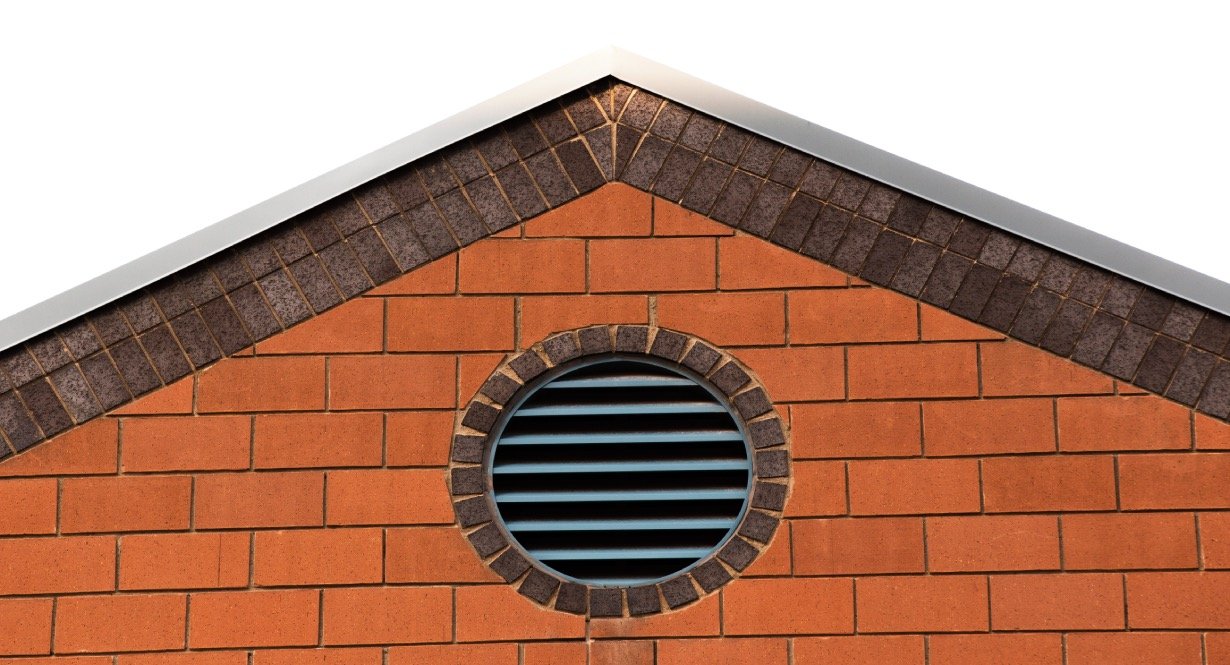
One of the biggest benefits of proper roof ventilation is improved energy efficiency.
When attic temperatures climb, that heat radiates into your living space. Your air conditioner must work longer and harder to maintain comfortable indoor temperatures.
With effective ventilation:
Heat escapes more efficiently
Attic temperatures stay lower
HVAC systems operate more efficiently
Cooling costs often decrease
Indoor comfort improves
Many Georgia homeowners notice lower utility bills after improving attic ventilation.
Understanding Attic Fans
Attic fans provide additional assistance when natural ventilation alone isn't enough.
These fans remove hot air from the attic, allowing cooler outside air to enter through the intake vents.
Several types are available, including:
Electric Attic Fans
Electric-powered fans automatically activate when attic temperatures reach a preset level.
They provide consistent airflow during extremely hot weather.
Solar-Powered Attic Fans
Solar attic fans operate using sunlight instead of household electricity.
Because they work hardest during sunny conditions, they're particularly effective during Georgia summers while adding little or no operating cost.
Gable-Mounted Fans
Installed in the home's gable wall, these fans help improve airflow in attics where ridge ventilation may be limited.
A roofing professional can determine which option best fits your home's design.
Moisture Control Matters Too
Ventilation isn't only about managing heat.
Throughout the year, moisture from showers, cooking, laundry, and everyday living naturally rises into the attic.
Without proper airflow, excess moisture can lead to:
Mold growth
Wood rot
Damaged insulation
Rusted fasteners
Structural deterioration
Balanced attic ventilation helps remove humid air before it causes long-term problems.
Common Signs Your Attic Needs Better Ventilation
Many homeowners don't realize they have a ventilation issue until symptoms become noticeable.
Watch for signs such as:
Extremely hot attic temperatures
High summer cooling bills
Uneven indoor temperatures
Musty attic odors
Mold growth
Premature shingle deterioration
Curling or blistering shingles
Excessive humidity inside the attic
If you notice several of these issues, it's worth having your roofing system evaluated.
Does Every Home Need an Attic Fan?
Not necessarily.
Some homes already have properly balanced intake and exhaust ventilation that performs efficiently without powered assistance.
Others may benefit from an attic fan due to:
Complex roof designs
Limited natural airflow
Large attic spaces
Consistently high attic temperatures
Older construction
A professional roof inspection can determine whether improving passive ventilation alone is sufficient or if adding an attic fan would provide additional benefits.
Regular Roof Inspections Protect Your Investment
Ventilation problems often develop gradually.
Blocked soffit vents, damaged ridge vents, nesting animals, insulation that covers intake vents, or aging ventilation components can reduce airflow over time.
Routine roof inspections help identify:
Blocked ventilation pathways
Damaged vents
Moisture issues
Heat-related roof deterioration
Attic insulation concerns
Early roofing problems before they become costly repairs
Addressing ventilation issues early can prevent expensive damage to both your roof and your home's interior.
Improve Comfort and Extend the Life of Your Roof
Proper roof ventilation is one of the most effective ways to protect your home from Georgia's extreme summer heat. By allowing hot, humid air to escape while bringing in cooler outside air, a balanced ventilation system helps preserve roofing materials, improve indoor comfort, and reduce energy costs.
At Mr Roof & Restoration, we help homeowners throughout North Georgia evaluate attic ventilation, identify airflow problems, and recommend solutions that support long-term roof performance. Whether you need a roof inspection, ventilation improvements, or expert roofing services, our team is ready to help you protect your investment in every season.
How Heat Affects Roofing Materials in Georgia?
Georgia summers are known for their high temperatures, intense sunshine, and long periods of humidity. While homeowners often think about protecting themselves from the heat, many don't realize their roof is enduring the harshest conditions on the property every single day. During peak summer months, roof surface temperatures can exceed 150°F—even when the outside air temperature is much lower.
Over time, this constant exposure to heat can accelerate wear and tear on roofing materials, reduce energy efficiency, and shorten the overall lifespan of your roof. Understanding how summer heat affects different roofing systems can help homeowners make informed maintenance decisions and avoid expensive repairs.
Why Georgia's Climate Is Tough on Roofs
North Georgia experiences a combination of factors that create one of the more demanding environments for residential roofing.
These include:
High UV exposure
Extended periods of temperatures above 90°F
High humidity
Sudden afternoon thunderstorms
Seasonal expansion and contraction
Unlike damage caused by a single storm, heat damage develops gradually. The effects accumulate over months and years until homeowners begin noticing leaks, missing shingles, higher energy bills, or premature roof aging.
UV Rays Slowly Break Down Roofing Materials
The sun's ultraviolet rays continuously attack roofing materials, especially asphalt shingles.
As shingles age under intense sunlight, they may begin to:
Lose protective granules
Fade in color
Become brittle
Crack around edges
Curl upward
Granules serve as the roof's protective shield against UV radiation. Once they begin washing away, the shingles become increasingly vulnerable to additional heat damage.
Even premium roofing materials benefit from regular inspections because prolonged UV exposure is unavoidable in Georgia.
Heat Causes Constant Expansion and Contraction
Every day, roofing materials heat up under direct sunlight and cool again after sunset.
This daily temperature cycle causes roofing components to expand and contract repeatedly.
Over time, this movement can affect:
Shingles
Flashing
Sealants
Fasteners
Underlayment
Small gaps may develop around roof penetrations, chimneys, skylights, and flashing details. These openings often become entry points for water during Georgia's heavy summer storms.
High Attic Temperatures Increase Roof Stress
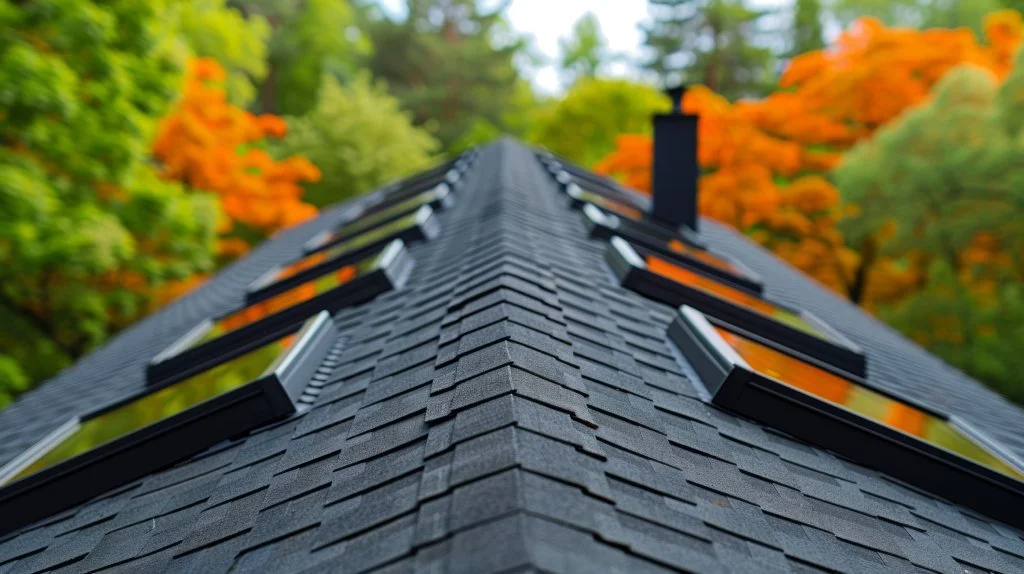
A poorly ventilated attic can become significantly hotter than the outside air.
Without proper airflow, attic temperatures frequently exceed 140°F during summer afternoons.
This excessive heat can:
Bake the underside of shingles
Accelerate material deterioration
Increase moisture buildup
Reduce insulation performance
Force HVAC systems to work harder
Proper attic ventilation helps regulate temperatures and allows excess heat to escape before it causes long-term damage.
Asphalt Shingles Age Faster Under Extreme Heat
Asphalt shingles remain one of the most popular roofing choices in Georgia because they offer excellent value and reliable protection.
However, heat can shorten their service life if the roof lacks adequate ventilation or maintenance.
Common signs include:
Curling edges
Surface cracking
Granule loss
Blistering
Uneven appearance
Routine inspections can identify these issues early before water infiltration occurs.
Metal Roofing Performs Differently
Metal roofing reflects much of the sun's radiant heat rather than absorbing it.
This offers several benefits during Georgia summers:
Lower roof surface temperatures
Improved energy efficiency
Less thermal stress
Longer material lifespan
Better resistance to UV damage
Although metal roofs expand as temperatures rise, professional installation includes fastening systems specifically designed to accommodate this movement.
Roof Components Beyond Shingles Also Suffer
Many homeowners focus only on shingles, but several other roofing components are also affected by extreme heat.
These include:
Flashing
Metal flashing expands and contracts around chimneys, valleys, and roof penetrations. Improperly sealed flashing may eventually separate and allow leaks.
Sealants
Roof sealants gradually dry out under prolonged UV exposure, causing cracks and reduced waterproofing performance.
Vent Boots
Rubber pipe boots can deteriorate faster when exposed to intense sunlight, eventually allowing water to enter around plumbing vents.
Gutters
Heat causes gutters to expand, which may loosen fasteners over time if maintenance is neglected.
Heat Can Increase Energy Bills
When roofing materials absorb large amounts of solar heat, much of that heat transfers into the attic.
The result is:
Hotter indoor temperatures
Longer air conditioner run times
Higher monthly utility bills
Increased HVAC wear
Improving roof ventilation and attic insulation often reduces cooling costs while helping preserve the roofing system.
Regular Maintenance Makes a Big Difference
Summer is an ideal time to inspect your roof for developing issues.
Professional inspections may identify:
Missing granules
Loose flashing
Cracked sealants
Damaged shingles
Ventilation deficiencies
Storm-related damage
Small repairs completed early often prevent much larger problems later.
When Should You Schedule an Inspection?
Many homeowners wait until they notice a leak before calling a roofing contractor.
Unfortunately, by that point, hidden damage may already exist beneath the roofing system.
Scheduling a roof inspection is recommended if:
Your roof is over 10 years old
You've experienced recent severe storms
Your attic feels unusually hot
Cooling costs have increased
You notice curling or cracked shingles
You haven't had a professional inspection in several years
Preventive maintenance is generally much less expensive than emergency repairs or premature roof replacement.
Protect Your Roof from Georgia's Summer Heat
Georgia's climate presents unique challenges for every roofing system. Constant UV exposure, extreme temperatures, humidity, and daily thermal expansion all contribute to gradual roof deterioration. While these conditions cannot be avoided, regular maintenance, proper ventilation, and timely repairs can significantly extend the life of your roof.
At Mr Roof & Restoration, we help homeowners throughout North Georgia identify heat-related roofing issues before they become costly problems. Whether you need a seasonal inspection, roof repairs, or guidance on improving your home's energy efficiency, our experienced team is here to help keep your roof performing its best all year long.
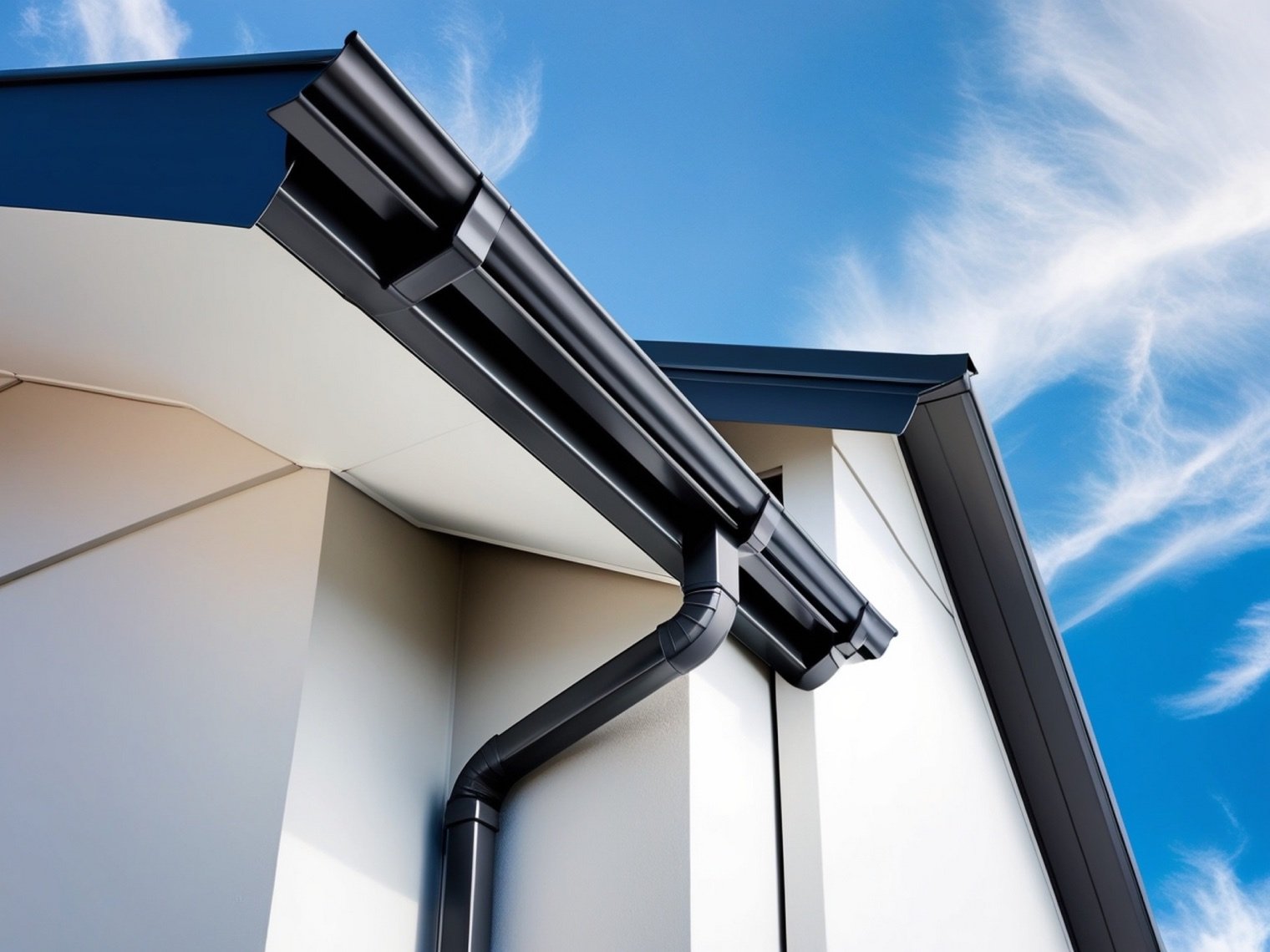
Gutter Guards: Are They Worth It in Georgia?
Gutters play a critical role in protecting homes from water damage, but keeping them clean can be a constant challenge for homeowners in Georgia. Between heavy rainstorms, falling leaves, pine needles, pollen, and storm debris, gutters throughout North Georgia often become clogged quickly. When gutters stop functioning properly, water can overflow and lead to costly issues involving the roof, siding, foundation, and landscaping.
Because of these ongoing maintenance concerns, many homeowners consider installing gutter guards. Gutter protection systems are designed to reduce debris buildup while allowing rainwater to flow freely through the gutter system. However, many homeowners wonder whether gutter guards are truly worth the investment or simply another unnecessary home upgrade.
At Mr. Roof and Restoration, we help homeowners throughout North Georgia determine whether gutter guards are the right solution for their property based on surrounding trees, drainage concerns, roof design, and long-term maintenance goals.
Why Gutters Frequently Clog in Georgia
Georgia’s climate creates several challenges for gutter systems. Homes throughout Hall County, Forsyth County, and surrounding areas are often surrounded by mature trees that shed leaves, pine needles, twigs, and other debris throughout the year.
Common causes of clogged gutters in Georgia include:
Oak tree leaves
Pine needles
Storm debris
Seed pods
Pollen accumulation
Roof granule buildup
Heavy storms can quickly wash debris into gutters, causing blockages that prevent proper drainage.
When gutters become clogged, water may overflow onto the roof edge or spill directly around the foundation.
What Are Gutter Guards?
Gutter guards are protective coverings or inserts installed over gutters to help prevent debris from entering the system while still allowing water to flow through.
There are several types of gutter guards available, including:
Mesh screens
Micro-mesh systems
Reverse curve guards
Foam inserts
Brush-style guards
Perforated metal covers
Each type offers different levels of debris protection, maintenance reduction, and water flow performance.
Professional installation is important because improperly installed gutter guards can still allow debris accumulation or interfere with water drainage.
Benefits of Installing Gutter Guards
For many North Georgia homeowners, gutter guards can provide several valuable long-term benefits.
Reduced Gutter Cleaning
One of the biggest advantages of gutter guards is reducing how often gutters need to be cleaned.
Without protection, many homes in wooded areas require multiple cleanings each year. Gutter guards help minimize debris buildup and reduce maintenance demands.
While gutter guards do not eliminate maintenance entirely, they can significantly reduce the amount of debris entering the gutters.
Improved Water Flow During Storms
Heavy Georgia rainstorms can overwhelm clogged gutters very quickly. Gutter guards help maintain more consistent water flow by preventing major blockages.
This can help reduce:
Overflowing gutters
Roof edge water damage
Soil erosion
Foundation moisture issues
Homes with proper gutter protection often perform better during periods of intense rainfall.
Protection Against Pest Problems
Standing water and accumulated debris inside gutters can attract pests such as:
Mosquitoes
Rodents
Birds
Insects
Gutter guards help reduce debris accumulation and standing water that may encourage pest activity around the home.
Extended Gutter Lifespan
Excess debris and trapped moisture can place additional weight and stress on gutters over time.
Gutter guards may help:
Reduce rust development
Prevent sagging
Minimize corrosion
Lower wear and tear
By reducing moisture retention and debris buildup, gutter guards can contribute to a longer-lasting gutter system.
Are Gutter Guards Perfect?
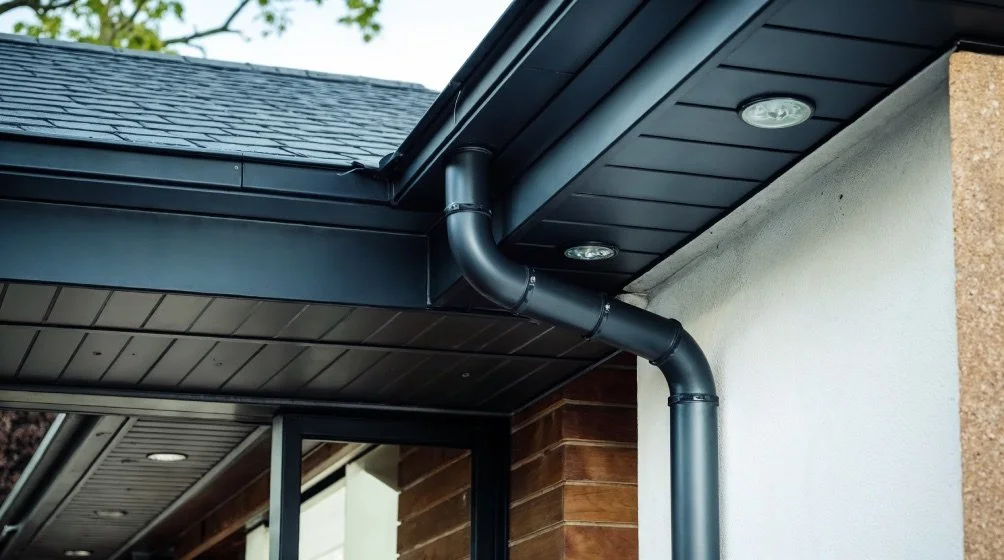
While gutter guards offer many benefits, homeowners should understand that no gutter protection system is completely maintenance-free.
Some debris may still collect on top of the guards, especially:
Pine needles
Small seeds
Roof granules
Fine debris
Periodic inspection and occasional cleaning are still recommended to maintain proper performance.
Additionally, lower-quality gutter guards may create drainage problems if they are not properly matched to the home’s roof pitch and rainfall volume.
Homes That Benefit Most From Gutter Guards
Some properties benefit from gutter guards more than others.
Gutter guards are especially helpful for homes:
Surrounded by trees
Located in wooded neighborhoods
With steep rooflines
Prone to frequent gutter clogs
Experiencing overflow issues
Difficult to access safely for cleaning
North Georgia homes with heavy tree coverage often see the greatest value from professionally installed gutter protection systems.
Choosing the Right Gutter Guard System
Not all gutter guards perform equally under Georgia weather conditions. The best system depends on factors such as:
Tree coverage
Roof pitch
Gutter size
Rainfall volume
Roofing material
Budget
Micro-mesh gutter guards are often considered one of the most effective options because they can block smaller debris while maintaining strong water flow.
Professional evaluation is important to ensure compatibility with the existing gutter system.
Proper Installation Matters
Improperly installed gutter guards can create more problems than they solve.
Common installation mistakes include:
Incorrect slope alignment
Loose attachment
Reduced water flow
Water overshooting gutters
Trapped debris accumulation
Professional installation helps ensure the system performs correctly during heavy rainstorms.
At Mr. Roof and Restoration, we evaluate rooflines, gutter capacity, drainage performance, and surrounding landscaping to recommend the best gutter protection solutions for each property.
Are Gutter Guards Worth the Investment?
For many Georgia homeowners, gutter guards can be a worthwhile investment because they reduce maintenance, improve drainage performance, and help protect the home from water damage.
While upfront costs vary depending on the system selected, gutter guards may help reduce:
Frequent cleaning expenses
Water damage repairs
Premature gutter replacement
Foundation issues
Homes surrounded by mature trees often see the greatest long-term value.
Protect Your Home With Better Gutter Performance
A properly functioning gutter system is essential for protecting your roof, siding, foundation, and landscaping from water damage. Gutter guards can help improve performance and reduce maintenance demands, especially in North Georgia’s storm-prone and heavily wooded environments.
At Mr. Roof and Restoration, we provide professional gutter solutions designed for Georgia homes and weather conditions. Whether you need gutter guard installation, seamless gutters, or drainage improvements, our team can help you protect your property year-round.
Contact Mr. Roof and Restoration today to schedule a gutter evaluation and learn whether gutter guards are the right solution for your home.
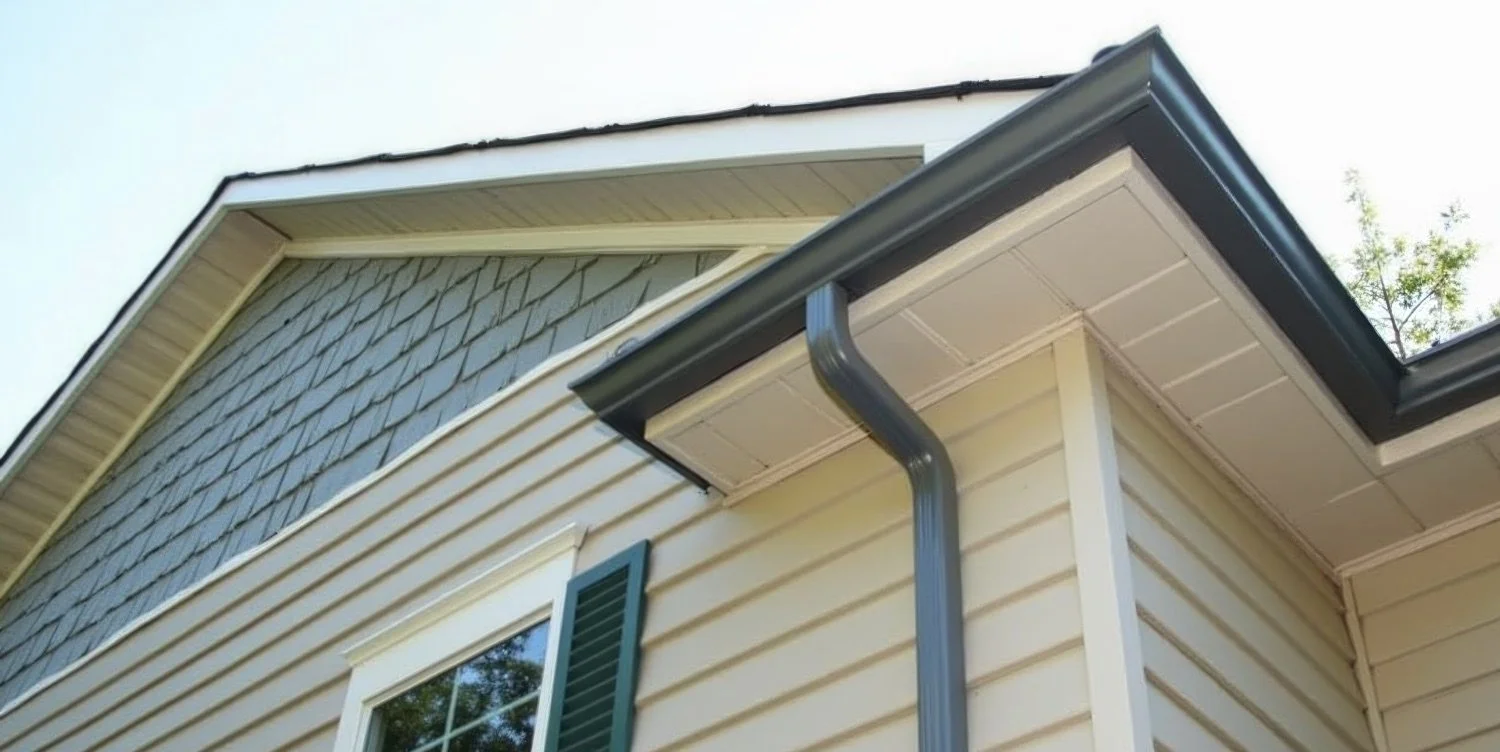
Drainage and Roof Design: Preventing Water Pooling Issues
Proper roof drainage is one of the most important factors in protecting a home from long-term water damage. While roofing materials often receive the most attention, the actual design of the roof and drainage system plays a major role in determining how effectively water is moved away from the structure.
When drainage systems are poorly designed or improperly maintained, water pooling can occur. Standing water places excessive stress on roofing materials and can eventually lead to leaks, wood rot, structural damage, mold growth, and premature roof failure.
In North Georgia, heavy rainstorms and seasonal weather changes make proper roof drainage especially important. At Mr. Roof and Restoration, we help homeowners identify drainage concerns and implement roofing solutions designed to prevent water accumulation and improve long-term roof performance.
What Causes Water Pooling on a Roof?
Water pooling occurs when rainwater remains on the roof surface for extended periods instead of draining properly. While minor puddling may not seem serious at first, recurring standing water can significantly shorten the lifespan of a roofing system.
Several factors can contribute to pooling issues, including:
Poor roof slope design
Blocked drainage systems
Sagging roof decking
Improper gutter sizing
Damaged flashing
Low spots in the roof structure
Inadequate drainage planning
Flat and low-slope roofing systems are particularly vulnerable to standing water problems if drainage is not carefully engineered.
Why Standing Water Is Dangerous
Water that remains on the roof surface creates continuous moisture exposure that can gradually damage both roofing materials and the underlying structure.
Common problems caused by standing water include:
Roof leaks
Membrane deterioration
Shingle damage
Mold and mildew growth
Rotting roof decking
Structural weakening
Increased roof weight stress
Over time, water can penetrate beneath roofing materials and begin damaging insulation, ceilings, walls, and attic spaces.
During winter temperature fluctuations, trapped water can also contribute to freeze-thaw damage that worsens roofing deterioration.
Roof Slope Plays a Major Role
One of the most important aspects of roof drainage design is roof pitch or slope. Roofs are designed to guide water naturally toward gutters, valleys, and drainage points.
Steeper roofs generally shed water more efficiently, while low-slope roofs require carefully planned drainage systems to prevent pooling.
Improper roof slope can lead to:
Slow water runoff
Water accumulation
Increased debris buildup
Drainage backups
During roof replacements or new construction projects, proper slope planning is essential for long-term drainage performance.
Roof Valleys Require Special Attention
Roof valleys are areas where two roof slopes meet, making them one of the most important drainage components on a home.
Large volumes of water pass through valleys during heavy rainfall. If valleys are improperly installed or damaged, water can back up and infiltrate the roof structure.
Common valley-related issues include:
Worn flashing
Debris accumulation
Improper sealing
Shingle deterioration
Overflow during storms
Routine inspections help ensure valleys remain clear and properly protected.
Gutters Are Critical to Roof Drainage
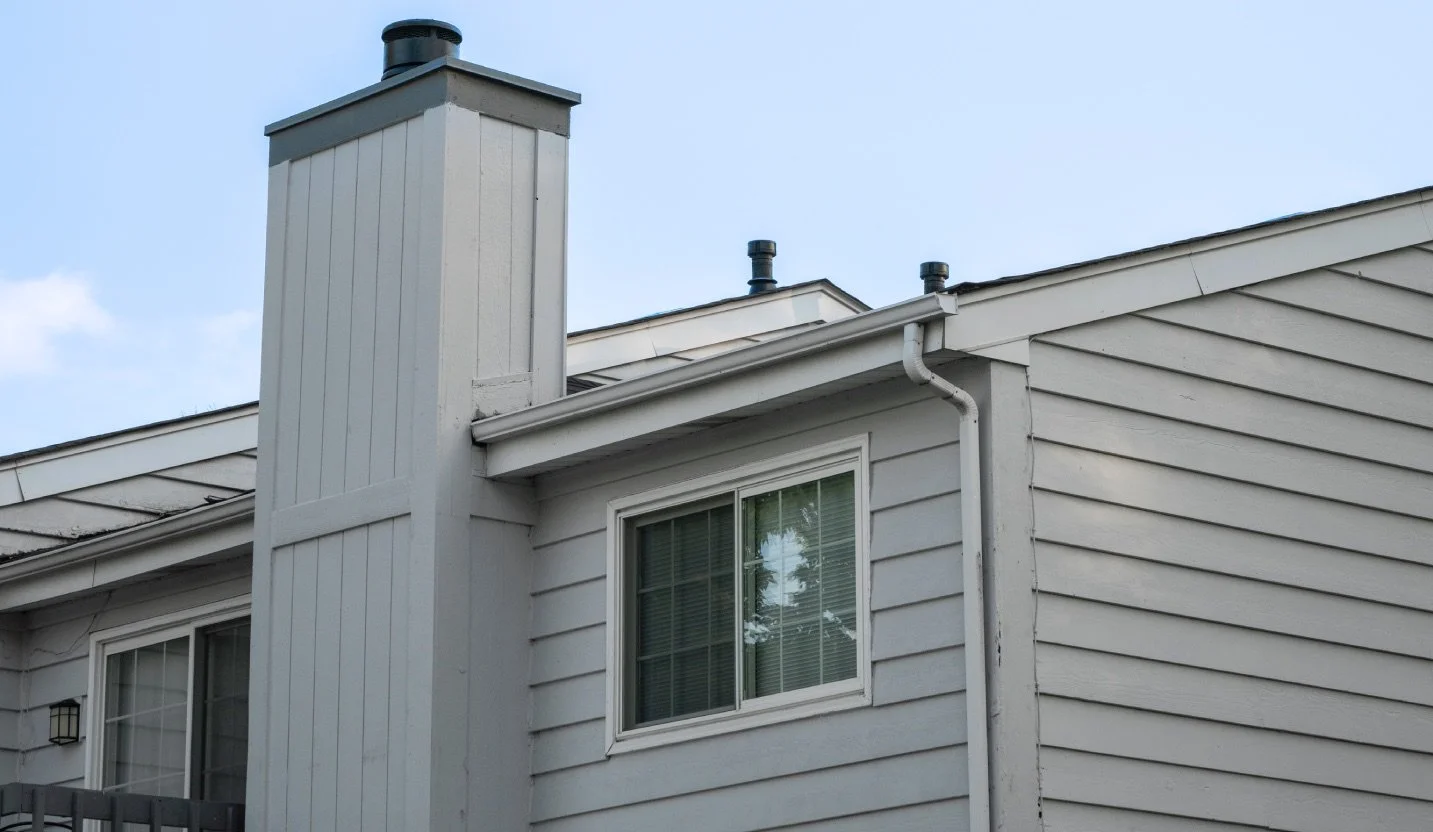
Even a properly designed roof can develop drainage issues if the gutter system fails to move water away effectively.
Gutters should be:
Properly sized
Correctly sloped
Free of clogs
Securely attached
Equipped with adequate downspouts
In North Georgia, heavy rainfall often overwhelms undersized or poorly maintained gutter systems.
When gutters overflow, water can back up onto the roof edge and increase the likelihood of leaks and fascia damage.
Oversized gutters and larger downspouts may be necessary for homes with steep rooflines or large roof surfaces.
Downspout Placement Matters
Downspouts are responsible for directing water away from the home’s foundation after it leaves the roof.
Poor downspout placement can lead to:
Foundation erosion
Basement moisture
Soil washout
Standing water near the home
Homes should have enough downspouts to handle the roof’s water volume during major storms.
In some cases, underground drainage systems or downspout extensions may be recommended to improve water management.
Flat Roofing Systems Need Specialized Drainage Solutions
Flat and low-slope roofs require additional drainage planning because water does not naturally run off as quickly as it does on steep roofs.
Common drainage systems for flat roofs include:
Internal drains
Scuppers
Tapered insulation systems
Crickets and saddles
Exterior drainage channels
Without proper drainage design, flat roofs are especially prone to standing water problems.
Commercial buildings and modern residential homes with low-slope sections should undergo regular inspections to monitor drainage performance.
Preventative Maintenance Helps Avoid Pooling Issues
Many drainage problems develop gradually over time and can often be prevented through regular maintenance.
Helpful preventative measures include:
Cleaning gutters regularly
Removing roof debris
Inspecting flashing and valleys
Monitoring for sagging areas
Checking for blocked drains
Scheduling professional roof inspections
Routine maintenance helps identify small drainage concerns before they become major structural issues.
Signs You May Have Drainage Problems
Homeowners should watch for warning signs that may indicate poor roof drainage or water pooling.
Common signs include:
Water stains on ceilings
Sagging roof sections
Overflowing gutters
Visible standing water after rain
Mold or mildew odors
Peeling paint near roof edges
Excessive algae growth
Addressing these problems early can help prevent expensive repairs and extend the lifespan of the roof.
Protect Your Roof With Proper Drainage Design
Effective roof drainage is essential for protecting your home from water damage and preserving the lifespan of your roofing system. Proper roof slope, gutter performance, drainage planning, and routine maintenance all work together to prevent standing water and structural deterioration.
At Mr. Roof and Restoration, we help homeowners throughout North Georgia identify drainage concerns and implement roofing solutions designed for long-term performance. Whether you need gutter upgrades, roof repairs, or a complete roofing evaluation, our team can help protect your property from costly water damage.
If you are experiencing drainage issues or suspect water pooling on your roof, contact Mr. Roof and Restoration today to schedule a professional inspection.