
Hail Damage Repair: What to Expect & Costs
Hailstorms can cause serious damage to roofing systems, often in ways that are not immediately visible. In states like Georgia, strong storms during spring and summer can bring hail that impacts shingles, flashing, gutters, and other critical roofing components. Even small hailstones can weaken roofing materials, while larger hail can create dents, cracks, and punctures that eventually lead to leaks and structural problems. At Mr. Roof & Restoration, we help homeowners and business owners understand what to expect after hail damage and how the repair process typically works.
Recognizing hail damage early and addressing it quickly can help prevent more extensive repairs and protect the long-term performance of your roof.
How Hail Damages Roofing Systems
When hail strikes a roof, the impact can compromise the protective layers that keep water out of your home or commercial building. Asphalt shingles, metal roofing, and tile roofs can all suffer different types of hail-related damage.
Common signs of hail damage include:
Dents or bruising on asphalt shingles
Granule loss on shingle surfaces
Cracked or broken roofing tiles
Dents in metal flashing or vents
Damaged gutters and downspouts
Granule loss is particularly concerning for asphalt shingle roofs because the granules help protect shingles from UV exposure and weather deterioration. Once these granules are damaged or knocked off, the shingles can age much faster.
Why Hail Damage Isn’t Always Obvious
One of the biggest challenges with hail damage is that it may not always be visible from the ground. In many cases, the damage weakens shingles internally without creating obvious holes or missing sections.
Over time, this hidden damage can lead to:
Gradual leaks
Accelerated roof aging
Reduced weather resistance
Water infiltration during future storms
Because of this, professional roof inspections are extremely important after a hailstorm. Roofing specialists are trained to identify subtle impact marks and structural weaknesses that property owners may not notice.
The Roof Inspection Process
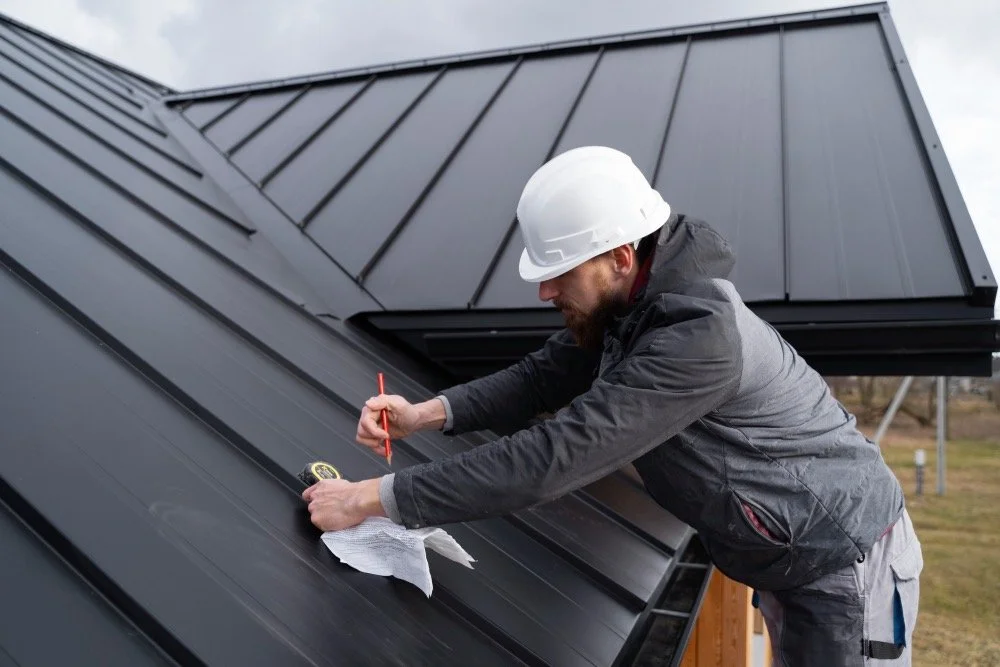
After a hailstorm, the first step in the repair process is a detailed roof inspection. A professional roofing contractor will examine all areas of the roof to determine the extent of the damage.
During an inspection, contractors typically evaluate:
Shingle surfaces for bruising or granule loss
Flashing around vents, chimneys, and skylights
Roof vents and metal components
Gutters, fascia, and roof edges
Attic areas for signs of moisture or leaks
Once the inspection is complete, the contractor will provide a clear assessment of the damage and recommend the appropriate repairs.
Hail Damage Repair Options
The type of repair needed depends on how severe the hail damage is. In some cases, minor damage can be repaired with targeted fixes. In more severe situations, partial or full roof replacement may be necessary.
Common hail damage repair solutions include:
Minor repairs
If only a few shingles are damaged, contractors may replace individual shingles and repair flashing or sealant around roof penetrations.
Partial roof replacement
When damage affects a larger section of the roof, replacing the impacted area may be the best option to restore protection.
Full roof replacement
If hail damage is widespread or the roof is already nearing the end of its lifespan, a full roof replacement may be recommended to ensure long-term durability.
A professional roofing contractor will help determine the most cost-effective and reliable solution for your specific situation.
Understanding Hail Damage Repair Costs
The cost of hail damage repair can vary significantly depending on several factors. These include the size of the roof, the type of roofing materials used, and the severity of the damage.
Factors that typically affect repair costs include:
Roof size and pitch
Roofing material type
Extent of damaged areas
Accessibility of the roof
Additional structural or water damage
Minor repairs may cost a few hundred dollars, while major repairs or full roof replacements can cost several thousand dollars depending on the scope of the work.
In many cases, homeowners insurance policies cover hail damage repairs if the damage was caused by a documented storm event.
Insurance Claims and Documentation
If hail damage is suspected, it’s important to document the condition of the roof as soon as possible. Photos, inspection reports, and professional assessments can help support an insurance claim.
A roofing contractor can assist with:
Providing inspection reports
Documenting hail damage evidence
Communicating with insurance adjusters
Ensuring repairs meet insurance requirements
This process helps ensure property owners receive the coverage they are entitled to.
Work With Experienced Storm Damage Professionals
Hail damage can compromise the safety and performance of your roof, even when the signs are not immediately obvious. Working with experienced roofing professionals ensures the damage is properly identified and repaired.
At Mr. Roof & Restoration, we provide comprehensive hail damage inspections, repair services, and roof replacement solutions for homeowners and businesses. Our team understands how storm damage affects roofing systems and works quickly to restore protection and prevent further issues.
If your property has recently experienced a hailstorm, scheduling a professional inspection is one of the best steps you can take to protect your roof and avoid more serious problems down the road.