
Wind Damage: Common Roof Repair Issues After Tornados or High Winds
Severe windstorms, tornados, and powerful gusts can cause significant damage to roofing systems. In many parts of the country, especially areas that experience strong seasonal storms, wind damage is one of the most common reasons homeowners and businesses require roof repairs. Even winds that don’t reach tornado-level intensity can loosen shingles, damage flashing, and expose vulnerable areas of the roof to water intrusion. At Mr. Roof & Restoration, we help property owners identify and repair wind-related roof damage before it leads to more serious structural problems.
Understanding how wind affects your roof and knowing what types of damage to look for can help you respond quickly after a storm.
How High Winds Damage Roofing Systems
Wind doesn’t just hit a roof in one direction. As strong gusts move across a building, they create pressure that can lift roofing materials and weaken their attachment points. Once wind gets under shingles or roofing membranes, it can peel them away from the roof deck.
This process can lead to a range of problems, including:
Missing or torn shingles
Lifted or curled shingles
Damaged ridge caps
Loose flashing around vents and chimneys
Detached gutters or fascia
When roofing materials are lifted or removed, the underlying layers of the roof become exposed to rain, debris, and additional wind damage.
Missing or Lifted Shingles
One of the most common signs of wind damage is missing or displaced shingles. Strong winds can break the seal that holds shingles in place, allowing them to flap, curl, or completely detach from the roof.
Even if shingles remain on the roof, lifted shingles can still be problematic. Once the adhesive seal is broken, the shingles are much more vulnerable to future storms and water penetration.
If damaged shingles are not replaced quickly, rainwater can reach the roof deck and cause leaks inside the home or building.
Flashing Damage Around Roof Penetrations
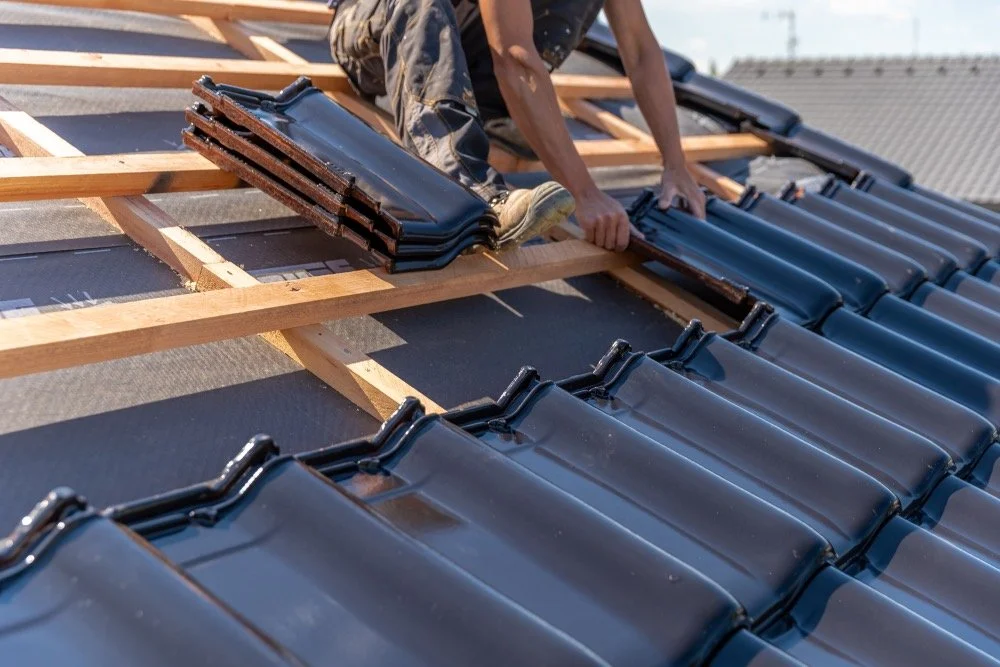
Flashing is installed around chimneys, vents, skylights, and other roof penetrations to prevent water from entering vulnerable areas. High winds can loosen flashing or bend metal pieces, creating gaps where water can seep in.
Damaged flashing is often difficult to see from the ground, but it can quickly lead to leaks if left unrepaired. Professional inspections after windstorms help ensure flashing remains secure and properly sealed.
Ridge Cap and Roof Edge Damage
Ridge caps are the shingles that run along the peak of the roof and help protect the roof’s most exposed seam. Because they sit at the highest point, they often take the full force of strong winds.
Windstorms can:
Crack ridge cap shingles
Lift ridge caps from their fasteners
Break sealants that hold ridge caps in place
Similarly, roof edges and eaves are highly vulnerable to wind uplift. Once wind begins to pull at these areas, damage can spread quickly across the roof.
Debris Impact Damage
High winds often carry debris such as branches, tree limbs, and loose outdoor objects. When these items strike a roof, they can break shingles, dent metal components, or puncture roofing materials.
Even relatively small branches can cause damage if they strike the roof with enough force. After severe storms, it’s important to check for debris that may have landed on the roof or caused impact damage.
Interior Signs of Wind Damage
Sometimes the first signs of wind-related roof damage appear inside the building rather than on the roof itself. If wind has loosened roofing materials or flashing, water may begin entering during rainstorms.
Common interior warning signs include:
Water stains on ceilings or walls
Damp insulation in the attic
Mold or mildew growth
Dripping water during rainfall
These issues indicate that the roofing system may have been compromised and should be inspected as soon as possible.
Why Quick Repairs Are Important
Wind damage can worsen quickly if it isn’t addressed. A few missing shingles can allow water to enter the roof structure, which may damage insulation, wooden decking, and interior ceilings.
Prompt repairs help prevent:
Major water damage
Mold growth
Structural weakening
Expensive future repairs
Taking action quickly after a windstorm can significantly reduce the cost and complexity of repairs.
Professional Roof Inspections After Severe Storms
After strong winds or tornados, it’s always a good idea to have your roof inspected by a qualified professional. Roofing specialists are trained to identify damage that may not be obvious from the ground.
During a professional inspection, contractors will check:
Shingles and roofing materials
Flashing and roof penetrations
Ridge caps and roof edges
Gutters and drainage systems
Structural integrity of the roof deck
This comprehensive inspection helps determine whether repairs or replacements are necessary.
Trust Mr. Roof & Restoration for Wind Damage Repairs
Wind damage can happen quickly, but addressing it promptly can protect your property from more serious problems. At Mr. Roof & Restoration, we specialize in storm damage inspections and repairs for both residential and commercial roofing systems.
Our experienced team understands how high winds affect roofing materials and works efficiently to restore your roof’s strength and durability. Whether your roof needs minor repairs or more extensive restoration, we provide reliable solutions designed to keep your property protected.
If your home or business has recently experienced strong winds or tornado activity, scheduling a professional roof inspection is one of the best ways to ensure your roofing system remains secure and weather-resistant.