
Roof Safety & Maintenance Best Practices for Businesses
For commercial property owners, maintaining a safe and reliable roofing system is critical to protecting employees, customers, and valuable assets. A well-maintained roof helps prevent costly repairs, business interruptions, and safety hazards that can arise from leaks, structural damage, or storm impacts. At Mr. Roof & Restoration, we help businesses stay proactive with roofing safety and maintenance strategies that extend the life of commercial roofs and reduce the risk of unexpected problems.
Commercial roofs are often exposed to extreme weather, temperature changes, and daily wear. Over time, even small issues like loose flashing, minor punctures, or clogged drainage systems can develop into serious problems if they are not addressed quickly. Implementing proper roof safety and maintenance practices ensures your building remains protected year-round.
Schedule Routine Roof Inspections
Regular inspections are one of the most effective ways to maintain the integrity of your commercial roofing system. Professional inspections help identify small issues before they turn into expensive structural problems.
Business owners should schedule inspections at least twice per year, ideally in the spring and fall. Additionally, roofs should be inspected after severe storms, high winds, or hail events. During a professional inspection, roofing specialists will evaluate key components including:
Roofing membranes or shingles
Flashing around vents and roof penetrations
Drainage systems and gutters
Roof edges and seams
Signs of water intrusion or moisture buildup
Catching early warning signs can prevent interior water damage, mold growth, and insulation problems.
Keep Roof Drainage Systems Clear
Commercial roofs depend heavily on proper drainage to prevent standing water. Ponding water can significantly reduce the lifespan of roofing materials and increase the risk of leaks or structural stress.
To maintain proper drainage:
Keep gutters and downspouts clear of debris
Remove leaves, branches, and dirt buildup
Ensure roof drains are not blocked
Check for low areas where water collects
Regular cleaning and maintenance help water flow off the roof quickly during heavy rainfall, which is especially important in areas that experience strong seasonal storms.
Control Roof Access and Safety Procedures
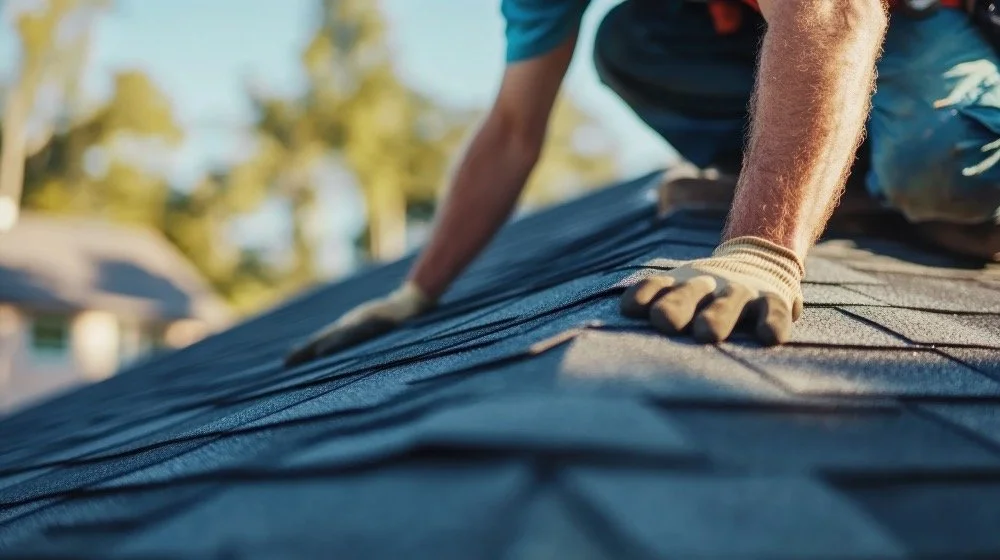
Limiting roof access to trained personnel is essential for preventing accidents and unnecessary roof damage. Unauthorized foot traffic can lead to punctures, damaged seams, and safety risks.
Businesses should establish clear safety protocols, such as:
Restricting roof access to authorized maintenance staff
Installing safety rails or designated walk paths
Using protective mats in high-traffic areas
Training staff on proper rooftop safety practices
These precautions help protect both workers and the roofing system itself.
Address Minor Repairs Immediately
Small roofing problems rarely stay small. Loose flashing, small punctures, or cracked sealant can quickly allow water to penetrate roofing layers. When water enters the system, it can damage insulation, decking, and interior ceilings.
Addressing minor issues promptly helps businesses avoid major repair costs later. Professional roofing contractors can quickly repair:
Small leaks
Flashing damage
Membrane punctures
Loose shingles or tiles
Sealant deterioration
Routine maintenance ensures these issues are handled before they spread.
Protect Roofing Equipment and Installations
Many commercial buildings have rooftop equipment such as HVAC systems, vents, solar panels, and satellite units. Improper installation or maintenance of this equipment can damage roofing materials.
Equipment should always be installed with proper flashing and waterproofing techniques. Additionally, technicians servicing rooftop systems should avoid dragging tools or equipment across roofing surfaces, which can cause punctures or tears.
Regular inspection around rooftop equipment helps ensure seals remain intact and watertight.
Plan Preventative Maintenance Programs
Preventative maintenance programs help business owners stay ahead of roofing issues. These programs typically include scheduled inspections, cleaning, and minor repairs throughout the year.
Benefits of preventative maintenance include:
Longer roof lifespan
Reduced repair costs
Improved building safety
Better protection against severe weather
Early detection of potential structural issues
Businesses that invest in preventative care often avoid costly emergency repairs and premature roof replacements.
Work With a Trusted Commercial Roofing Professional
Maintaining a commercial roof requires specialized expertise and experience. Professional roofing contractors understand the materials, structural requirements, and safety standards needed to keep roofs functioning properly.
At Mr. Roof & Restoration, we provide comprehensive roof inspections, maintenance services, and repairs designed to keep commercial roofing systems performing at their best. Our team helps business owners identify potential issues early and implement practical solutions that protect their buildings long-term.
A well-maintained roof is an essential investment for any business. By following proper safety practices and scheduling regular maintenance, property owners can protect their facilities, avoid unexpected expenses, and ensure their roofing system continues to perform reliably for years to come.