
Drainage and Roof Design: Preventing Water Pooling Issues
Proper roof drainage is one of the most important factors in protecting a home from long-term water damage. While roofing materials often receive the most attention, the actual design of the roof and drainage system plays a major role in determining how effectively water is moved away from the structure.
When drainage systems are poorly designed or improperly maintained, water pooling can occur. Standing water places excessive stress on roofing materials and can eventually lead to leaks, wood rot, structural damage, mold growth, and premature roof failure.
In North Georgia, heavy rainstorms and seasonal weather changes make proper roof drainage especially important. At Mr. Roof and Restoration, we help homeowners identify drainage concerns and implement roofing solutions designed to prevent water accumulation and improve long-term roof performance.
What Causes Water Pooling on a Roof?
Water pooling occurs when rainwater remains on the roof surface for extended periods instead of draining properly. While minor puddling may not seem serious at first, recurring standing water can significantly shorten the lifespan of a roofing system.
Several factors can contribute to pooling issues, including:
Poor roof slope design
Blocked drainage systems
Sagging roof decking
Improper gutter sizing
Damaged flashing
Low spots in the roof structure
Inadequate drainage planning
Flat and low-slope roofing systems are particularly vulnerable to standing water problems if drainage is not carefully engineered.
Why Standing Water Is Dangerous
Water that remains on the roof surface creates continuous moisture exposure that can gradually damage both roofing materials and the underlying structure.
Common problems caused by standing water include:
Roof leaks
Membrane deterioration
Shingle damage
Mold and mildew growth
Rotting roof decking
Structural weakening
Increased roof weight stress
Over time, water can penetrate beneath roofing materials and begin damaging insulation, ceilings, walls, and attic spaces.
During winter temperature fluctuations, trapped water can also contribute to freeze-thaw damage that worsens roofing deterioration.
Roof Slope Plays a Major Role
One of the most important aspects of roof drainage design is roof pitch or slope. Roofs are designed to guide water naturally toward gutters, valleys, and drainage points.
Steeper roofs generally shed water more efficiently, while low-slope roofs require carefully planned drainage systems to prevent pooling.
Improper roof slope can lead to:
Slow water runoff
Water accumulation
Increased debris buildup
Drainage backups
During roof replacements or new construction projects, proper slope planning is essential for long-term drainage performance.
Roof Valleys Require Special Attention
Roof valleys are areas where two roof slopes meet, making them one of the most important drainage components on a home.
Large volumes of water pass through valleys during heavy rainfall. If valleys are improperly installed or damaged, water can back up and infiltrate the roof structure.
Common valley-related issues include:
Worn flashing
Debris accumulation
Improper sealing
Shingle deterioration
Overflow during storms
Routine inspections help ensure valleys remain clear and properly protected.
Gutters Are Critical to Roof Drainage
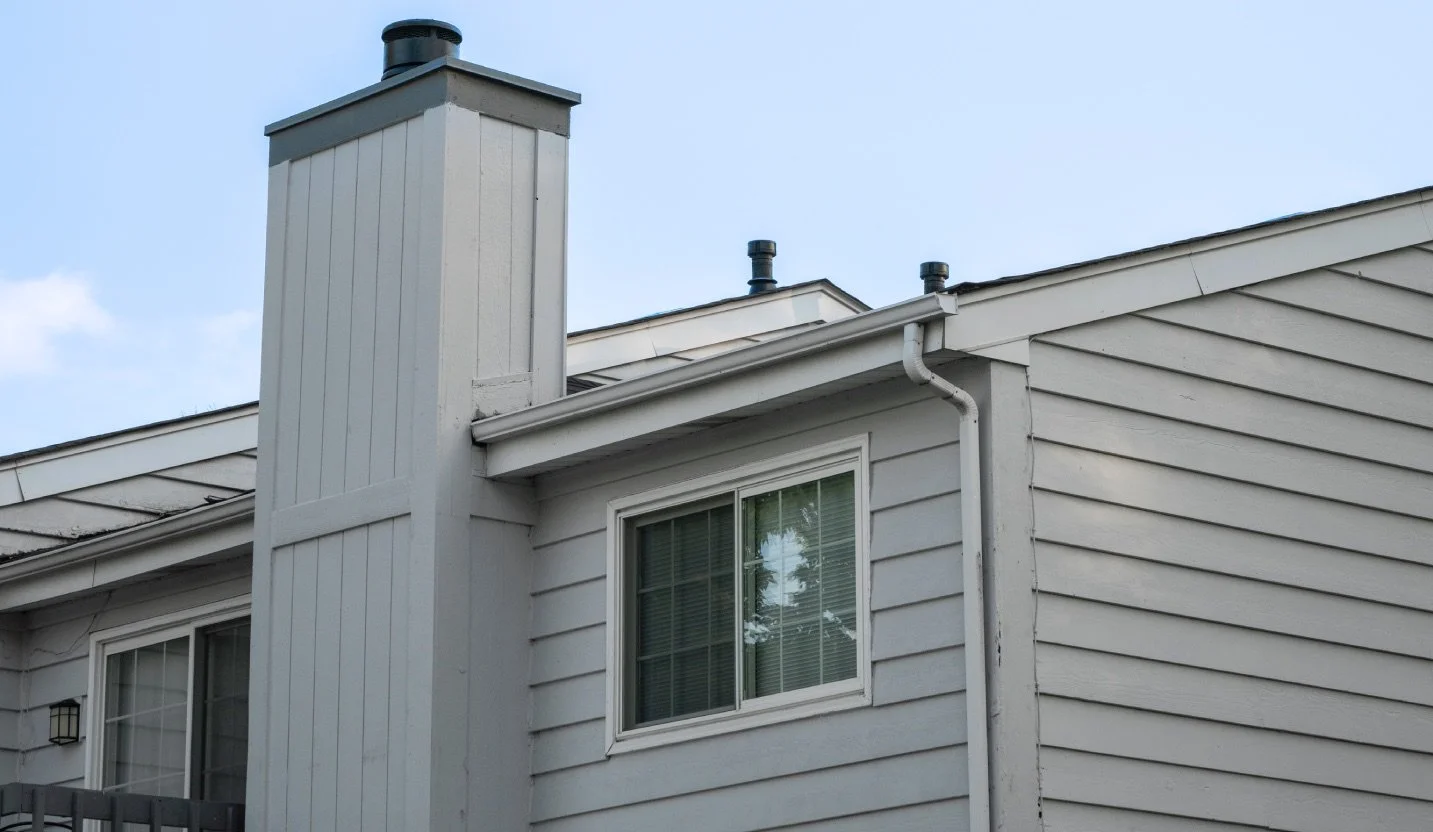
Even a properly designed roof can develop drainage issues if the gutter system fails to move water away effectively.
Gutters should be:
Properly sized
Correctly sloped
Free of clogs
Securely attached
Equipped with adequate downspouts
In North Georgia, heavy rainfall often overwhelms undersized or poorly maintained gutter systems.
When gutters overflow, water can back up onto the roof edge and increase the likelihood of leaks and fascia damage.
Oversized gutters and larger downspouts may be necessary for homes with steep rooflines or large roof surfaces.
Downspout Placement Matters
Downspouts are responsible for directing water away from the home’s foundation after it leaves the roof.
Poor downspout placement can lead to:
Foundation erosion
Basement moisture
Soil washout
Standing water near the home
Homes should have enough downspouts to handle the roof’s water volume during major storms.
In some cases, underground drainage systems or downspout extensions may be recommended to improve water management.
Flat Roofing Systems Need Specialized Drainage Solutions
Flat and low-slope roofs require additional drainage planning because water does not naturally run off as quickly as it does on steep roofs.
Common drainage systems for flat roofs include:
Internal drains
Scuppers
Tapered insulation systems
Crickets and saddles
Exterior drainage channels
Without proper drainage design, flat roofs are especially prone to standing water problems.
Commercial buildings and modern residential homes with low-slope sections should undergo regular inspections to monitor drainage performance.
Preventative Maintenance Helps Avoid Pooling Issues
Many drainage problems develop gradually over time and can often be prevented through regular maintenance.
Helpful preventative measures include:
Cleaning gutters regularly
Removing roof debris
Inspecting flashing and valleys
Monitoring for sagging areas
Checking for blocked drains
Scheduling professional roof inspections
Routine maintenance helps identify small drainage concerns before they become major structural issues.
Signs You May Have Drainage Problems
Homeowners should watch for warning signs that may indicate poor roof drainage or water pooling.
Common signs include:
Water stains on ceilings
Sagging roof sections
Overflowing gutters
Visible standing water after rain
Mold or mildew odors
Peeling paint near roof edges
Excessive algae growth
Addressing these problems early can help prevent expensive repairs and extend the lifespan of the roof.
Protect Your Roof With Proper Drainage Design
Effective roof drainage is essential for protecting your home from water damage and preserving the lifespan of your roofing system. Proper roof slope, gutter performance, drainage planning, and routine maintenance all work together to prevent standing water and structural deterioration.
At Mr. Roof and Restoration, we help homeowners throughout North Georgia identify drainage concerns and implement roofing solutions designed for long-term performance. Whether you need gutter upgrades, roof repairs, or a complete roofing evaluation, our team can help protect your property from costly water damage.
If you are experiencing drainage issues or suspect water pooling on your roof, contact Mr. Roof and Restoration today to schedule a professional inspection.