
How Heat Affects Roofing Materials in Georgia?
Georgia summers are known for their high temperatures, intense sunshine, and long periods of humidity. While homeowners often think about protecting themselves from the heat, many don't realize their roof is enduring the harshest conditions on the property every single day. During peak summer months, roof surface temperatures can exceed 150°F—even when the outside air temperature is much lower.
Over time, this constant exposure to heat can accelerate wear and tear on roofing materials, reduce energy efficiency, and shorten the overall lifespan of your roof. Understanding how summer heat affects different roofing systems can help homeowners make informed maintenance decisions and avoid expensive repairs.
Why Georgia's Climate Is Tough on Roofs
North Georgia experiences a combination of factors that create one of the more demanding environments for residential roofing.
These include:
High UV exposure
Extended periods of temperatures above 90°F
High humidity
Sudden afternoon thunderstorms
Seasonal expansion and contraction
Unlike damage caused by a single storm, heat damage develops gradually. The effects accumulate over months and years until homeowners begin noticing leaks, missing shingles, higher energy bills, or premature roof aging.
UV Rays Slowly Break Down Roofing Materials
The sun's ultraviolet rays continuously attack roofing materials, especially asphalt shingles.
As shingles age under intense sunlight, they may begin to:
Lose protective granules
Fade in color
Become brittle
Crack around edges
Curl upward
Granules serve as the roof's protective shield against UV radiation. Once they begin washing away, the shingles become increasingly vulnerable to additional heat damage.
Even premium roofing materials benefit from regular inspections because prolonged UV exposure is unavoidable in Georgia.
Heat Causes Constant Expansion and Contraction
Every day, roofing materials heat up under direct sunlight and cool again after sunset.
This daily temperature cycle causes roofing components to expand and contract repeatedly.
Over time, this movement can affect:
Shingles
Flashing
Sealants
Fasteners
Underlayment
Small gaps may develop around roof penetrations, chimneys, skylights, and flashing details. These openings often become entry points for water during Georgia's heavy summer storms.
High Attic Temperatures Increase Roof Stress
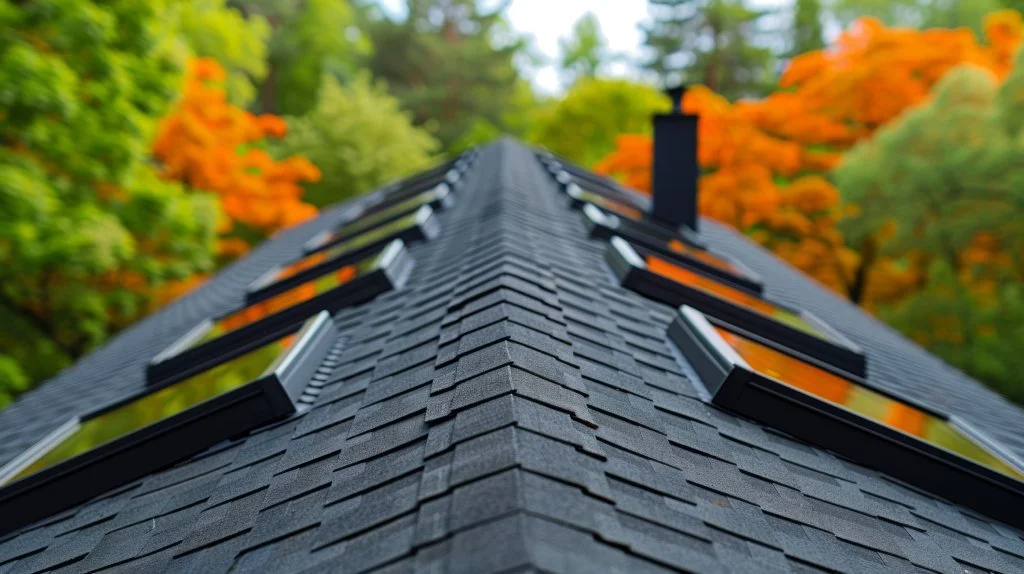
A poorly ventilated attic can become significantly hotter than the outside air.
Without proper airflow, attic temperatures frequently exceed 140°F during summer afternoons.
This excessive heat can:
Bake the underside of shingles
Accelerate material deterioration
Increase moisture buildup
Reduce insulation performance
Force HVAC systems to work harder
Proper attic ventilation helps regulate temperatures and allows excess heat to escape before it causes long-term damage.
Asphalt Shingles Age Faster Under Extreme Heat
Asphalt shingles remain one of the most popular roofing choices in Georgia because they offer excellent value and reliable protection.
However, heat can shorten their service life if the roof lacks adequate ventilation or maintenance.
Common signs include:
Curling edges
Surface cracking
Granule loss
Blistering
Uneven appearance
Routine inspections can identify these issues early before water infiltration occurs.
Metal Roofing Performs Differently
Metal roofing reflects much of the sun's radiant heat rather than absorbing it.
This offers several benefits during Georgia summers:
Lower roof surface temperatures
Improved energy efficiency
Less thermal stress
Longer material lifespan
Better resistance to UV damage
Although metal roofs expand as temperatures rise, professional installation includes fastening systems specifically designed to accommodate this movement.
Roof Components Beyond Shingles Also Suffer
Many homeowners focus only on shingles, but several other roofing components are also affected by extreme heat.
These include:
Flashing
Metal flashing expands and contracts around chimneys, valleys, and roof penetrations. Improperly sealed flashing may eventually separate and allow leaks.
Sealants
Roof sealants gradually dry out under prolonged UV exposure, causing cracks and reduced waterproofing performance.
Vent Boots
Rubber pipe boots can deteriorate faster when exposed to intense sunlight, eventually allowing water to enter around plumbing vents.
Gutters
Heat causes gutters to expand, which may loosen fasteners over time if maintenance is neglected.
Heat Can Increase Energy Bills
When roofing materials absorb large amounts of solar heat, much of that heat transfers into the attic.
The result is:
Hotter indoor temperatures
Longer air conditioner run times
Higher monthly utility bills
Increased HVAC wear
Improving roof ventilation and attic insulation often reduces cooling costs while helping preserve the roofing system.
Regular Maintenance Makes a Big Difference
Summer is an ideal time to inspect your roof for developing issues.
Professional inspections may identify:
Missing granules
Loose flashing
Cracked sealants
Damaged shingles
Ventilation deficiencies
Storm-related damage
Small repairs completed early often prevent much larger problems later.
When Should You Schedule an Inspection?
Many homeowners wait until they notice a leak before calling a roofing contractor.
Unfortunately, by that point, hidden damage may already exist beneath the roofing system.
Scheduling a roof inspection is recommended if:
Your roof is over 10 years old
You've experienced recent severe storms
Your attic feels unusually hot
Cooling costs have increased
You notice curling or cracked shingles
You haven't had a professional inspection in several years
Preventive maintenance is generally much less expensive than emergency repairs or premature roof replacement.
Protect Your Roof from Georgia's Summer Heat
Georgia's climate presents unique challenges for every roofing system. Constant UV exposure, extreme temperatures, humidity, and daily thermal expansion all contribute to gradual roof deterioration. While these conditions cannot be avoided, regular maintenance, proper ventilation, and timely repairs can significantly extend the life of your roof.
At Mr Roof & Restoration, we help homeowners throughout North Georgia identify heat-related roofing issues before they become costly problems. Whether you need a seasonal inspection, roof repairs, or guidance on improving your home's energy efficiency, our experienced team is here to help keep your roof performing its best all year long.