
Preparing Your Roof for North Georgia Winters
North Georgia winters are mild compared to the Midwest, so it's easy to assume your roof doesn't need much attention once the leaves fall. But winter here brings its own challenges. Nights that dip below freezing followed by sunny afternoons, piles of pine needles, heavy winter rain, and the occasional ice storm can all take a toll on a roof that isn't ready.
A little preparation in the fall can prevent leaks, protect your attic, and save you from an emergency call in January. Here's how homeowners in Gainesville, Oakwood, Clermont, Lula, and across Hall and Forsyth counties can get their roofs ready.
Why Freeze-Thaw Cycles Matter
In North Georgia, temperatures often swing above and below freezing within a single day. That cycle is harder on a roof than steady cold.
When water seeps into small cracks in shingles, flashing, sealant, or around nail heads, it freezes overnight and expands. Then it thaws the next afternoon and seeps a little deeper. Over a winter, those repeated cycles can widen gaps, loosen flashing, crack aging shingles, and break down caulk around vents and chimneys.
The best defense is catching small problems before the cold arrives. Cracked pipe boots, lifted shingles, and worn sealant are all quick fixes in October and November. In February, after water has gotten in, they can become much bigger repairs.
Clear Pine Needles and Debris
If you live among the pines of North Georgia, you know how quickly needles pile up. They collect in roof valleys, behind chimneys, and in gutters, and they cause more trouble than most homeowners realize.
Pine needles trap moisture against your shingles, which speeds up granule loss and can encourage algae and moss growth. Piles in valleys slow water runoff and can push water under shingles during heavy rain. When needles mat down in gutters, they create dams that send water back toward your fascia and roof edge.
Before winter:
Clear needles and leaves from valleys and the areas behind chimneys and skylights
Clean gutters and downspouts thoroughly
Make sure downspouts carry water well away from your foundation
Trim overhanging branches, especially dead limbs that could fall in an ice storm
If you're not comfortable on a ladder or the roof is steep, leave this job to a professional. Falls from roofs and ladders cause many serious injuries every winter. Gutter guards from a local roofer can also cut down on how often you need to clean. Learn more about our gutter services.
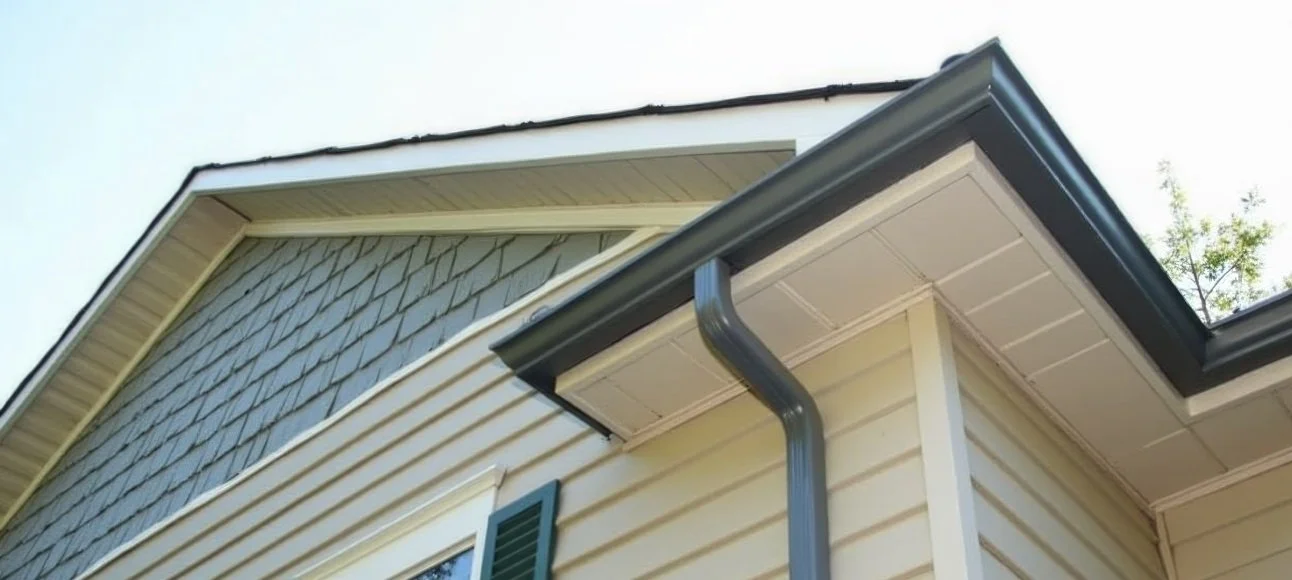
Can Ice Dams Happen in North Georgia?
Yes, though they're less common here than up north. Ice dams form when snow or ice on the roof melts from attic heat, runs down to the colder eaves, and refreezes. That ridge of ice traps water behind it, which can back up under shingles and leak into your walls and ceilings.
When North Georgia gets a winter storm with snow or freezing rain, homes with poor attic insulation and ventilation are the most at risk. To reduce the chance of ice dams:
Improve attic insulation so heat stays in your living space and out of the attic
Check attic ventilation, including soffit and ridge vents, to keep the roof deck cold and evenly ventilated
Seal air leaks around attic hatches, recessed lights, and plumbing penetrations
Install ice and water shield at eaves and valleys when you replace your roof
These steps also lower energy bills and help your roof last longer in summer.
Inspect Flashing, Vents, and Chimneys
Most winter leaks don't start in the middle of the roof. They start at transitions: chimneys, skylights, plumbing vents, and walls. Look for rusted or separated flashing, cracked rubber pipe boots, and gaps in sealant. A small gap that lets in a few drops during a fall shower can let in a lot more water after a few freeze-thaw cycles.
Watch for Warning Signs Inside
Your attic can tell you a lot. On a cold morning, check for:
Frost on the underside of the roof deck
Damp or compressed insulation
Water stains on rafters or decking
Daylight coming through roof boards
These signs point to ventilation problems or leaks that should be addressed before the coldest weeks.
Schedule a Pre-Winter Roof Inspection
The easiest way to know your roof is ready is to have a professional look at it. Mr. Roof & Restoration's 8-point inspection checks shingles, flashing, vents, gutters, and attic conditions, then gives you a clear report and action plan.