
Signs Your Roof Is Overheated and What You Should Do
Georgia summers can be brutal on your home, especially your roof. While roofing materials are designed to withstand years of exposure to the elements, prolonged periods of intense heat and sunlight can take a toll over time. Roof surface temperatures can exceed 150°F during the hottest days of the year, placing constant stress on shingles, flashing, sealants, and the underlying roof structure.
The problem is that heat damage doesn't usually happen overnight. It develops gradually, often going unnoticed until homeowners begin seeing higher energy bills, damaged shingles, or even roof leaks. Knowing the warning signs of an overheated roof can help you address small issues before they become expensive repairs or require a full roof replacement.
Why Roofs Overheat
Your roof is exposed to direct sunlight for hours every day. As roofing materials absorb solar heat, temperatures continue rising throughout the afternoon.
Several factors can make overheating even worse, including:
Dark-colored roofing materials
Poor attic ventilation
Inadequate insulation
Aging roofing materials
High humidity
Prolonged heat waves
Without proper ventilation to release trapped heat, both the roof surface and attic can become excessively hot.
Sign #1: Your Attic Feels Extremely Hot
One of the earliest signs of an overheating roof is excessive attic temperature.
While attics naturally become warmer than the rest of the home, they should not feel dangerously hot.
If stepping into your attic during summer feels like entering an oven, poor ventilation may be trapping heat beneath your roof.
Excessive attic temperatures can:
Increase cooling costs
Reduce insulation efficiency
Accelerate shingle aging
Create moisture problems
A roofing professional can evaluate whether your attic ventilation system is functioning properly.
Sign #2: Rising Energy Bills
If your electricity bills continue climbing despite similar thermostat settings and normal HVAC operation, your roof could be contributing to the problem.
As heat transfers through the roof into your attic, your air conditioner must work longer to cool your home.
A roof that absorbs excessive heat often leads to:
Longer cooling cycles
Higher utility bills
Reduced indoor comfort
Increased HVAC wear
Improving ventilation or upgrading roofing materials may help improve energy efficiency.
Sign #3: Curling or Warped Shingles
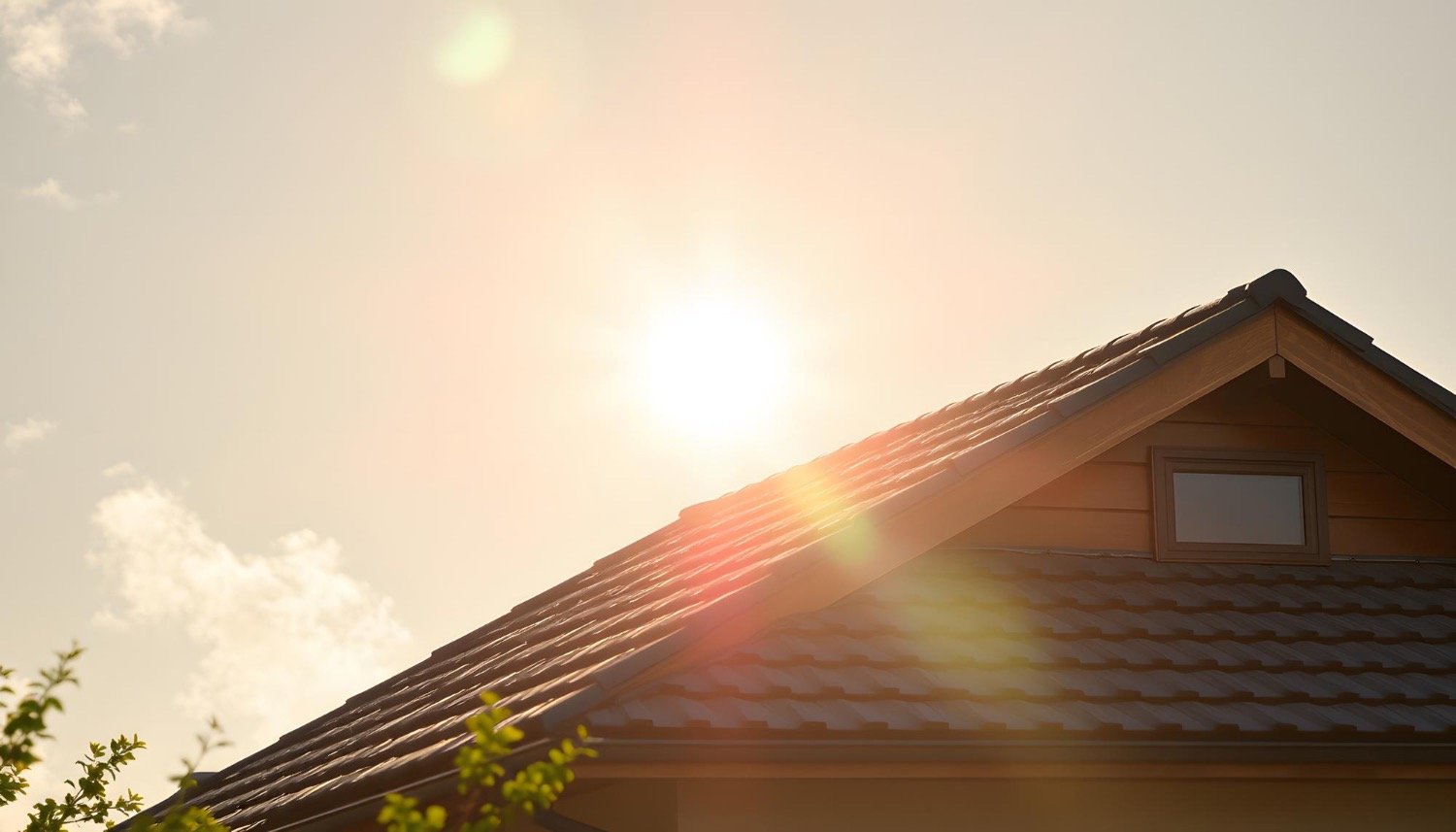
High temperatures combined with years of UV exposure can cause asphalt shingles to lose flexibility.
As shingles deteriorate, they may begin to:
Curl along the edges
Warp
Crack
Become brittle
These changes reduce the roof's ability to shed water effectively and often indicate that the roofing system is aging prematurely.
Sign #4: Granules in Your Gutters
Asphalt shingles are coated with protective granules that shield them from sunlight.
Over time, excessive heat and UV exposure cause these granules to loosen.
If you notice large amounts of granules collecting inside your gutters or around downspouts, your shingles may be losing an important layer of protection.
Granule loss often signals accelerated roof aging.
Sign #5: Uneven Indoor Temperatures
Do certain rooms always feel hotter than others during summer?
While several factors can contribute to uneven temperatures, poor roof ventilation is often one of them.
Heat trapped beneath the roof tends to accumulate in upper levels of the home, making second-story rooms particularly uncomfortable.
A roofing inspection can determine whether ventilation improvements may help balance indoor temperatures.
Sign #6: Damaged Roof Components
Heat affects more than shingles.
Other roofing components can also deteriorate from prolonged exposure.
Inspectors often find damage involving:
Flashing
Vent boots
Roof sealants
Ridge vents
Pipe collars
These materials expand and contract daily during hot weather, eventually leading to cracks, gaps, or water intrusion.
Sign #7: Roof Leaks After Summer Storms
Heat itself doesn't cause leaks, but it weakens roofing materials over time.
Once afternoon thunderstorms arrive, water can enter through areas that have already been compromised by heat-related wear.
Leaks that appear during or after heavy summer rain may indicate:
Failed flashing
Cracked shingles
Damaged sealants
Aging roofing materials
Prompt repairs help prevent additional structural damage.
What You Should Do if Your Roof Is Overheating
If you suspect excessive heat is affecting your roof, taking action early can prevent more costly problems later.
Start by scheduling a professional roof inspection.
A roofing contractor can evaluate:
Roofing material condition
Ventilation performance
Attic airflow
Flashing condition
Signs of moisture
Overall roof lifespan
Depending on the findings, recommended solutions may include repairs, ventilation improvements, insulation upgrades, or planning for a future roof replacement.
Prevent Heat Damage Before It Starts
Regular maintenance is the best defense against long-term heat damage.
Homeowners should consider:
Annual roof inspections
Cleaning gutters regularly
Keeping roof vents unobstructed
Trimming tree branches when appropriate
Monitoring attic temperatures
Addressing minor repairs promptly
Preventive maintenance helps roofing systems perform better during Georgia's demanding summer climate.
Protect Your Roof from Georgia's Summer Heat
An overheated roof doesn't always produce obvious warning signs, but small changes like rising energy bills, curling shingles, or excessive attic temperatures often indicate that your roofing system is under stress. Addressing these issues early can extend the life of your roof, improve your home's energy efficiency, and help you avoid expensive repairs.
At Mr Roof & Restoration, we provide professional roof inspections, repairs, and replacement services for homeowners throughout North Georgia. If you're concerned about heat-related roof damage or simply want peace of mind before the next storm arrives, our experienced team is ready to evaluate your roof and recommend the right solutions to keep your home protected year-round.