
Storm Preparedness Tips for Homes Around Lake Lanier
Living around Lake Lanier offers beautiful scenery and access to one of North Georgia's most popular outdoor destinations, but homeowners in the area also need to be prepared for severe weather. Strong thunderstorms, high winds, heavy rain, hail, and falling trees can all threaten homes and roofing systems throughout the Lake Lanier area.
Preparing your property before severe weather arrives can reduce the risk of damage and make it easier to identify problems after a storm passes.
Whether you live in Gainesville, Flowery Branch, Cumming, Buford, or another community near Lake Lanier, these storm preparedness tips can help protect your home and roof.
Inspect Your Roof Before Storm Season
One of the best ways to prepare for severe weather is to make sure your roof is already in good condition.
Small problems such as loose shingles, deteriorated flashing, or damaged sealants can become much worse when exposed to strong winds and heavy rain.
From the ground, look for obvious warning signs including:
Missing or damaged shingles
Curled or lifted shingles
Sagging roof sections
Damaged flashing
Loose gutters
Debris collecting on the roof
If your roof is older or has experienced previous storm damage, consider scheduling a professional inspection.
A roofer can identify vulnerabilities that may not be visible from your yard.
Keep Gutters and Downspouts Clear
Heavy North Georgia rainfall can overwhelm a poorly maintained drainage system.
Your gutters need to move large amounts of water away from the roof quickly. Leaves, pine needles, twigs, and other debris can block that flow.
When gutters become clogged, water may overflow or back up near the roof edge. This can contribute to damaged fascia, soffits, siding, and roofing materials.
Clean your gutters regularly and make sure downspouts are directing water away from the foundation.
Homes surrounded by mature trees may require more frequent gutter maintenance.
Trim Trees Around Your Home
Trees are one of the biggest storm-related concerns for many properties around Lake Lanier.
Strong winds can break branches or uproot weakened trees. Falling limbs can damage shingles, gutters, roof decking, windows, vehicles, and other parts of the property.
Inspect trees near your home for dead or damaged branches, especially those hanging directly over the roof.
Branches touching shingles should also be trimmed because repeated movement can wear away protective granules.
Large branches or potentially unstable trees should be evaluated and removed by a qualified tree professional.
Secure Loose Outdoor Items
Storm preparation shouldn't stop at the roof.
Patio furniture, umbrellas, grills, decorations, planters, children's toys, and other outdoor objects can become dangerous during high winds.
Before severe weather arrives, move lightweight items into a garage, shed, or other protected location. Secure larger items that cannot easily be moved.
If you have a dock or other structures near the lake, make sure they are maintained and secured according to appropriate requirements.
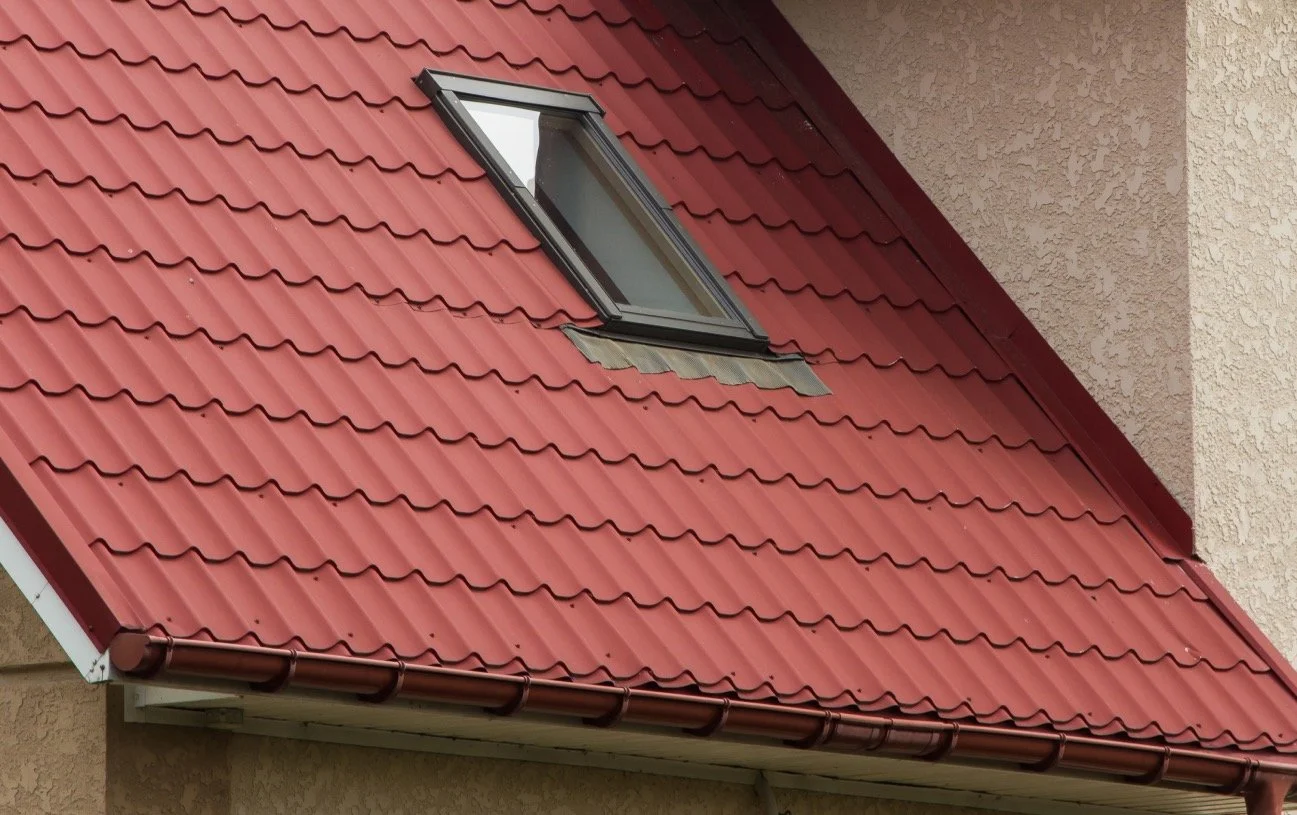
Pay Attention to Roof Flashing
Some of the most vulnerable areas of your roof are located around penetrations and transitions.
Chimneys, skylights, plumbing vents, exhaust vents, and roof-to-wall intersections generally rely on flashing to keep water out.
Loose or deteriorated flashing may allow wind-driven rain to enter the roofing system.
Because flashing problems can be difficult to see from the ground, these areas should be evaluated during a professional roof inspection.
Know What to Look for After a Storm
Once the storm has passed and conditions are safe, walk around your property and look for visible damage.
You may notice missing shingles, roofing materials on the ground, damaged gutters, fallen branches, or debris on the roof.
Inside your home, check ceilings and upper walls for water stains or active leaks. If your attic is safely accessible, look for damp insulation, water stains, or visible moisture.
Don't climb onto a wet or potentially damaged roof to investigate. Roofing surfaces can be extremely slippery, and storm damage may have weakened areas you cannot see.
Understand That Wind Damage Can Be Hidden
Not all roof damage is immediately obvious.
Strong winds can lift shingles without completely removing them. The shingles may settle back down after the storm while their seals remain compromised.
Damage around flashing and roof edges can also be difficult to identify from the ground.
If your neighborhood experienced particularly strong winds or hail, a professional roof inspection can provide a more complete assessment.
Document Visible Storm Damage
If your property has been damaged, take photographs or videos from a safe location.
Document damaged shingles, gutters, siding, fallen branches, interior water stains, and other visible problems.
Keeping records can be useful if you need to discuss the damage with your homeowners insurance provider.
Avoid making permanent repairs before necessary documentation has been completed. However, temporary measures may sometimes be necessary to prevent additional water intrusion.
Address Roof Leaks Quickly
A small storm-related leak can cause increasingly serious problems when ignored.
Water entering the roofing system can damage decking, insulation, ceilings, walls, and other materials. Persistent moisture may also contribute to mold growth.
If you notice water entering your home after a storm, contact a roofing professional promptly.
Quick action can help limit additional damage while the underlying roofing problem is evaluated.
Have an Emergency Plan
Protecting the house is important, but personal safety always comes first during severe weather.
Know where your household will shelter during dangerous conditions and keep emergency supplies easily accessible.
Pay attention to local weather alerts and avoid going outside to inspect your property while a storm is still active.
Roof damage can be repaired. Don't put yourself at risk trying to investigate a roofing problem during severe weather.
Keep Your Lake Lanier Home Ready for Severe Weather
Storms are a normal part of living in North Georgia, but preventative maintenance can make your home better prepared when severe weather arrives.
Regular roof inspections, clean gutters, properly maintained trees, secure outdoor items, and quick attention to leaks can all help reduce the risk of larger problems.
Mr. Roof and Restoration provides professional roof inspections, roof repairs, roof replacements, and storm damage restoration for homeowners throughout the Lake Lanier and North Georgia area.