
Filing a Roof Insurance Claim in Georgia
A hailstorm rolls through Hall County, a pine limb crashes onto your roof in Gainesville, or high winds peel back shingles in Flowery Branch. Suddenly you're facing a roof repair and an insurance claim at the same time. For many Georgia homeowners, the claim feels more stressful than the damage itself.
It doesn't have to be. When you understand the process and your rights under Georgia law, you can move through a claim with confidence. Here's a step-by-step guide from the team at Mr. Roof & Restoration, who have helped North Georgia homeowners through storm season since 2016.
Step 1: Make Sure Everyone Is Safe and Stop Further Damage
Safety comes first. If a tree has come through the roof, if you see sagging ceilings, or if water is near electrical fixtures, leave that area and call for help. Don't climb onto a wet or damaged roof yourself.
Once everyone is safe, take reasonable steps to prevent more damage. Most homeowners policies expect you to protect your property after a loss. That might mean placing buckets under drips, moving furniture, or having a roofer install a tarp or temporary roof patch. Keep receipts for anything you spend, since emergency mitigation costs are often reimbursable.
Step 2: Document Everything
Before anything gets cleaned up, take photos and video. Capture the exterior of the home from every side, any shingles or debris in the yard, damaged gutters and siding, and interior water stains or leaks. Note the date and time of the storm. Local weather reports showing hail or high winds on that date can also support your claim.
The more evidence you have, the harder it is for damage to be dismissed as "wear and tear."
Step 3: Get a Professional Roof Inspection
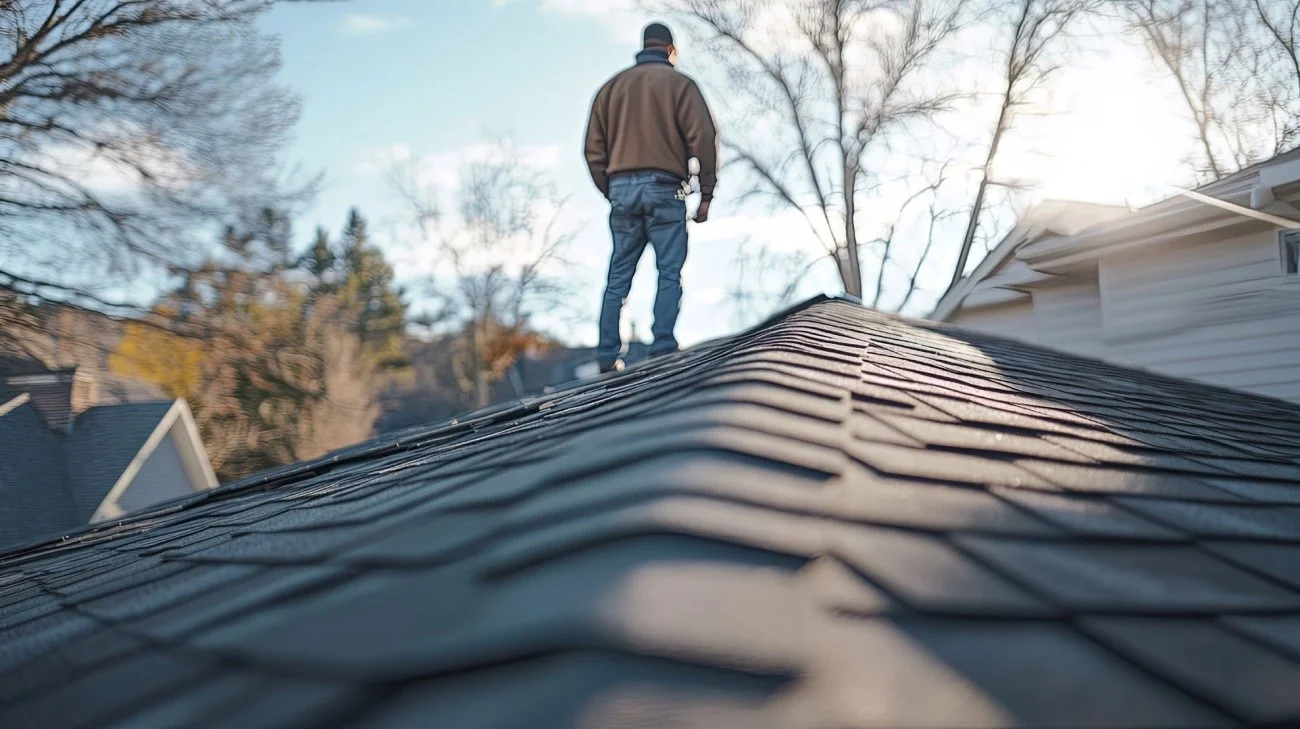
Many types of storm damage aren't obvious from the ground. Hail bruising, lifted shingle tabs, and cracked flashing can go unnoticed until a leak appears months later. By then, it may be harder to connect the damage to a specific storm.
A thorough inspection from a reputable local roofer gives you a clear picture of what you're dealing with. At Mr. Roof, our 8-point inspection results in an easy-to-understand report, so you know whether filing a claim even makes sense. If the damage is below your deductible, you may decide a simple repair is the better route.
Step 4: Review Your Policy and Call Your Insurer
Pull out your homeowners policy and look for three things:
Your deductible. Many Georgia policies carry a separate wind or hail deductible, sometimes calculated as a percentage of your home's insured value.
Replacement cost vs. actual cash value (ACV). Replacement cost coverage pays to replace your roof with similar materials. ACV coverage subtracts depreciation, which can significantly reduce your payout on an older roof.
Filing deadlines. Most policies require prompt notice of a loss, and some set firm time limits. Don't wait.
Then contact your insurance company or agent to open the claim. Write down your claim number, the date you called, and the name of everyone you speak with.
Step 5: Meet the Adjuster
Your insurer will send an adjuster to inspect the damage. It helps to have your roofer present during this visit. A contractor who knows roofing systems can point out damage the adjuster may miss and explain what a proper repair requires.
Keep in mind that Georgia law draws a line here. A residential roofing contractor can't represent you or negotiate your claim on your behalf. Only you, or a licensed public adjuster you hire, can do that. A good roofer's job is to document damage accurately and provide an honest scope of work.
Step 6: Know Your Rights Under Georgia Law
Georgia's Fair Business Practices Act includes protections specifically for homeowners filing roof claims. If you sign a roofing contract that depends on insurance approval and your insurer then denies the claim, you have five business days to cancel that contract in writing. Contractors also can't demand payment until that cancellation window passes, except for documented emergency work.
Georgia law also prohibits roofers from advertising or promising to pay or rebate your insurance deductible. If a contractor offers you a "free roof" or says they'll cover your deductible, treat it as a serious red flag. Your deductible is your responsibility, and any contractor who suggests otherwise is cutting corners somewhere.
Step 7: Review the Settlement and Schedule Repairs
Once the adjuster's estimate arrives, compare it to your roofer's scope of work. If items are missing, such as damaged flashing, drip edge, or code-required upgrades, you can ask your insurer to review the claim again. Many policies pay in two stages: an initial ACV check, followed by recoverable depreciation once work is complete.
When the claim is settled, schedule your repair or roof replacement with a contractor you trust. Watch out for out-of-town storm chasers who appear after severe weather and disappear before warranty issues arise.
Let Mr. Roof Simplify Your Georgia Insurance Claim
Simplifying the insurance process is one of the things Mr. Roof & Restoration does best. From our Oakwood office, we serve homeowners across Hall, Forsyth, and surrounding counties with honest inspections, clear documentation, and quality workmanship.