
Roof Inspection Every Year? How Often You Should Really Check It
Your roof protects your home from rain, wind, heat, falling debris, and severe weather every day. Yet because most roofing problems develop out of sight, homeowners often don't think about their roof until a leak or other obvious problem appears.
Regular roof inspections can help identify small issues before they turn into expensive repairs. But does your roof really need to be inspected every year? And when should you schedule an additional inspection?
Here’s what homeowners should know about keeping an eye on their roof and determining the right inspection schedule.
How Often Should You Have Your Roof Inspected?
As a general rule, having your roof professionally inspected once a year is a smart preventive maintenance strategy.
An annual inspection gives a roofing professional an opportunity to check the condition of shingles, flashing, vents, gutters, penetrations, and other important components. It can also reveal early signs of deterioration that may not be visible from the ground.
However, once a year isn't necessarily enough in every situation. Your roof may need additional attention after severe weather or if you notice signs that something isn't right.
Why Annual Roof Inspections Matter?
Roof problems rarely appear overnight. In many cases, damage develops gradually.
A small section of damaged flashing may allow moisture to enter around a chimney. A few loose shingles can become vulnerable during the next windstorm. A minor leak can slowly damage roof decking, insulation, drywall, and other materials before water stains finally appear inside your home.
Routine inspections can catch these problems earlier.
Preventive roof maintenance may also help you get more life from your existing roofing system. Addressing minor damage is generally much easier than dealing with widespread deterioration that has been ignored for years.
When You Should Schedule an Extra Roof Inspection?
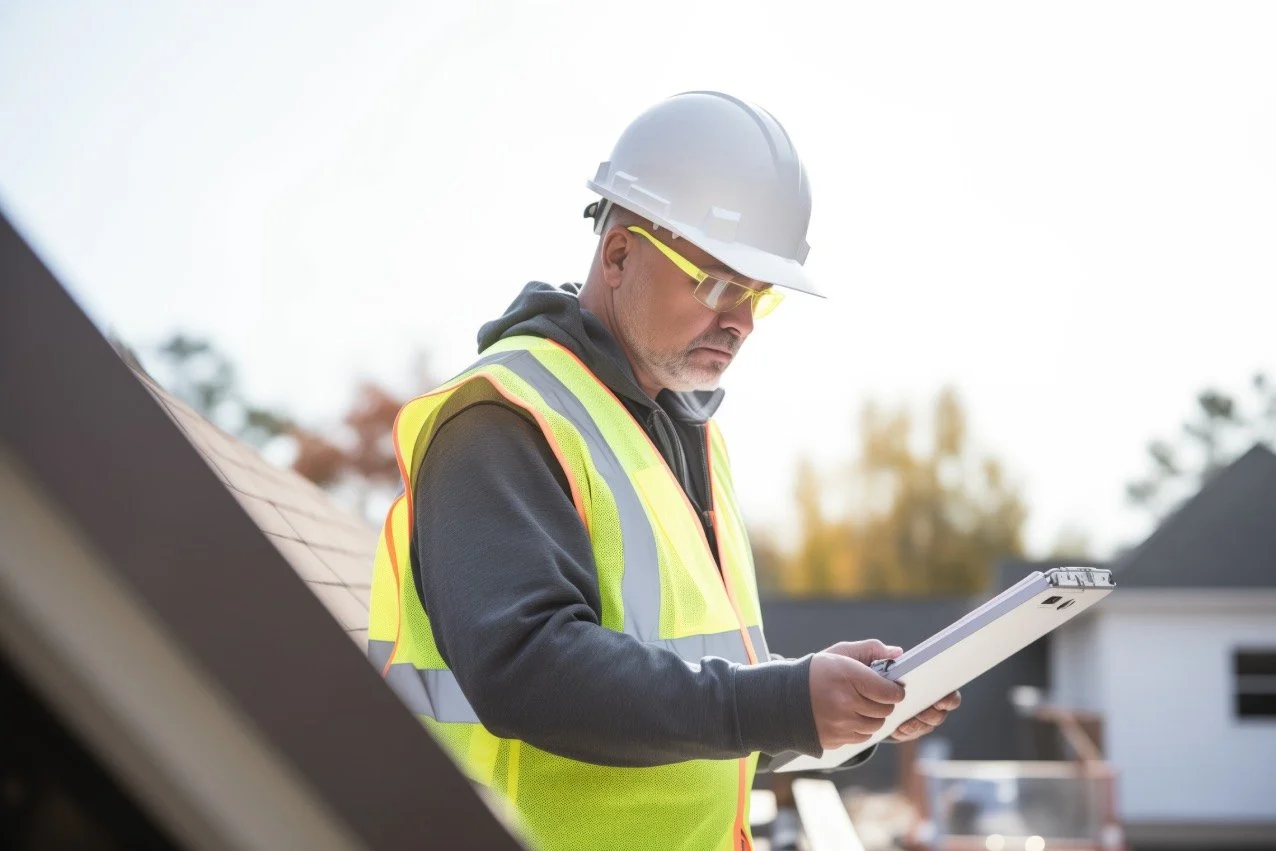
Your regular annual inspection is a good starting point, but certain situations call for an additional check.
After a Major Storm
Strong winds, hail, heavy rain, and falling branches can all damage roofing materials.
Storm damage isn't always obvious from your yard. Shingles may be lifted, cracked, loosened, or damaged without leaving a visible hole in the roof.
After particularly severe weather, having the roof inspected can help determine whether repairs are necessary.
When You Notice a Leak
A roof leak should never be ignored, even if it seems minor.
Water stains on ceilings or walls, moisture in the attic, peeling paint, or unexplained damp areas may indicate that water is getting through the roofing system.
Finding the source early can help limit damage to other parts of the home.
Before Buying a Home
A general home inspection provides valuable information, but a dedicated roof inspection can give buyers a more detailed understanding of the roofing system.
Knowing the roof's approximate condition can help you anticipate repairs or replacement costs before purchasing the property.
If Your Roof Is Getting Older
Older roofs often require closer attention.
As shingles age, they can become brittle, lose granules, curl, crack, or become more vulnerable to wind and weather. If your roof is approaching the later years of its expected service life, regular inspections become increasingly important.
What Does a Professional Roof Inspection Include?
A professional roofing inspection involves much more than simply checking whether shingles are missing.
A roofer may evaluate:
Missing, cracked, curled, or loose shingles
Shingle granule loss
Flashing around chimneys, walls, and roof penetrations
Roof vents and ventilation components
Pipe boots and seals
Valleys and drainage areas
Gutters and downspouts
Signs of moisture intrusion
Sagging or structural irregularities
Moss, algae, or organic growth
Visible deterioration around roof edges
When accessible, the attic may also provide important clues. Moisture stains, damaged insulation, mold-like growth, or daylight entering through gaps can indicate potential roofing problems.
Can You Inspect Your Own Roof?
Homeowners can perform basic visual checks from the ground, particularly after storms.
Look for obvious signs such as missing shingles, damaged gutters, fallen branches, sagging areas, or roofing materials on the ground.
You can also check your attic for moisture or water stains.
However, climbing onto the roof yourself isn't recommended. Roof surfaces can be slippery, steep, unstable, or damaged in ways that aren't immediately obvious.
A professional roofer has the equipment and experience needed to inspect the roof more safely and thoroughly.
Don't Wait Until Your Roof Starts Leaking
One of the biggest mistakes homeowners make is assuming that a roof is healthy simply because it isn't leaking.
By the time water becomes visible inside your home, moisture may already have traveled through multiple layers of the roofing system.
Routine inspections shift roof care from reactive to preventive. Instead of waiting for something to fail, you can identify developing problems and determine whether maintenance or repairs are appropriate.
How Inspections Can Help Extend Roof Life
No roofing material lasts forever, but proper maintenance can help you get the most from your investment.
Small repairs completed at the right time can prevent damage from spreading. Replacing damaged shingles, correcting flashing problems, clearing drainage areas, and addressing vulnerable penetrations can all contribute to better long-term roof performance.
Inspections also help homeowners understand how their roof is aging. This makes it easier to plan financially for future repairs or eventual replacement instead of being surprised by a major roofing expense.
Schedule a Roof Inspection With Mr Roof & Restoration
If you haven't had your roof inspected recently, scheduling a professional evaluation can give you a clearer picture of its current condition.
Mr Roof & Restoration can inspect your roofing system for signs of wear, storm damage, leaks, and other potential problems. Whether your roof is relatively new or approaching the end of its expected lifespan, regular inspections can help you make informed decisions about maintenance and repairs.
Don't wait for a ceiling stain to tell you something is wrong. Make roof inspections part of your regular home maintenance routine and address problems while they're still manageable.