
How to Extend the Lifespan of Your Roof: Maintenance Strategies
Your roof is one of the largest investments in your home, so getting as many years as possible out of it makes financial sense. While every roofing system eventually needs replacement, proper maintenance can help prevent premature deterioration and reduce the risk of expensive repairs.
Many roofing problems don't start as major failures. A loose shingle, clogged gutter, damaged piece of flashing, or small leak can gradually develop into a much larger issue when left untreated.
The good news is that homeowners can take several practical steps to protect their roofs. Here are some of the most important roof maintenance strategies for extending the lifespan of your roofing system.
Schedule Regular Roof Inspections
Routine inspections are one of the simplest ways to protect your roof.
A professional roofer can identify early signs of deterioration that aren't always noticeable from the ground. Problems such as loose shingles, damaged flashing, deteriorating seals, or minor moisture intrusion may be relatively straightforward to address when discovered early.
For most homes, scheduling a professional roof inspection approximately once a year is a sensible maintenance strategy. Additional inspections may be worthwhile after severe storms or whenever you notice signs of possible roof damage.
Regular inspections also give you a better understanding of how your roof is aging, making it easier to plan for future maintenance or replacement.
Keep Your Gutters Clean
Your gutters play an important role in protecting both your roof and the rest of your home.
When gutters become clogged with leaves, branches, roofing granules, and other debris, rainwater may not drain properly. Water can back up near the edge of the roof or overflow around the home's exterior.
Keeping gutters and downspouts clear allows water to move away from the roofing system efficiently.
Pay particular attention during seasons when trees are shedding leaves and after major storms that may deposit additional debris on your roof.
Address Roof Repairs Quickly
A missing shingle might not seem like an emergency, but small roofing problems have a tendency to become larger ones.
Once part of the roofing system becomes compromised, water and wind can begin affecting surrounding materials. What could have been a relatively simple repair may eventually involve damaged decking, insulation, drywall, or structural components.
If you notice missing shingles, damaged flashing, loose roofing materials, or signs of a leak, schedule an inspection rather than waiting to see whether the problem becomes worse.
Early intervention is one of the most effective ways to extend roof life.
Trim Overhanging Tree Branches
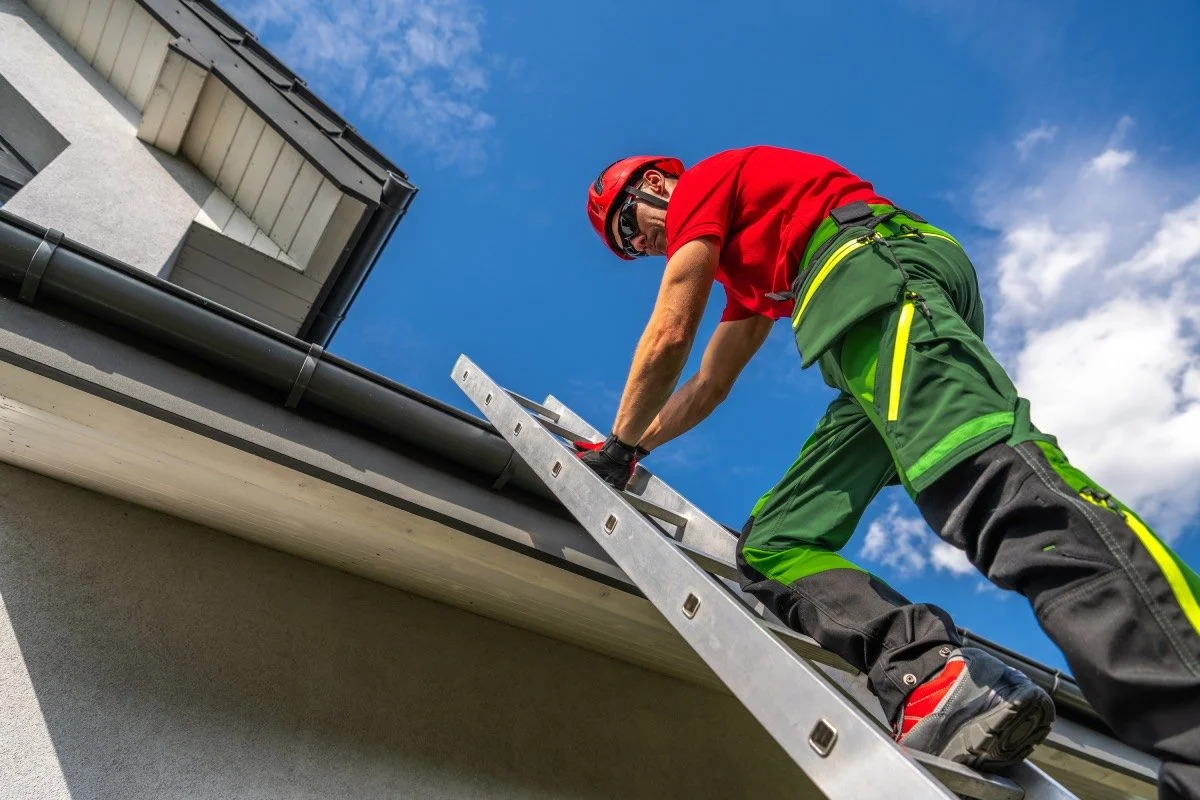
Trees can provide shade and improve your property's appearance, but branches hanging directly over the roof can create several problems.
During strong winds or storms, branches may scrape against roofing materials or fall onto the roof. Leaves and small branches can also accumulate in roof valleys and gutters, interfering with proper drainage.
Excessive shade may allow portions of the roof to remain damp longer, potentially encouraging moss or algae growth.
Keeping nearby trees appropriately trimmed can reduce these risks while helping keep debris off the roofing system.
Pay Attention to Attic Ventilation
Roof maintenance isn't limited to the exterior of your home.
Proper attic ventilation can play an important role in the performance and longevity of your roofing system. Without adequate ventilation, excessive heat and moisture may accumulate in the attic.
Over time, these conditions can contribute to moisture problems and unnecessary stress on roofing materials.
A roofing professional can evaluate existing ventilation and identify signs that airflow may not be functioning as intended.
Watch for Signs of Moisture
Roof leaks aren't always dramatic.
Sometimes the first signs appear as a small stain on the ceiling, damp insulation, discoloration in the attic, peeling paint, or an unexplained musty smell.
Ignoring these warning signs can allow moisture damage to spread.
If you suspect water is entering your home, have the roof inspected promptly. Finding the source of a leak early can help protect the roof deck and other parts of your home.
Keep Debris Off the Roof
Leaves, pine needles, branches, and other debris can collect in roof valleys or behind chimneys and other roof features.
These areas are particularly important because they often handle significant amounts of rainwater.
Accumulated debris can interfere with drainage and keep moisture against roofing materials for extended periods. Keeping the roof clear helps water move through the intended drainage paths.
For safety reasons, homeowners generally shouldn't climb onto the roof to remove debris themselves. A professional can inspect and clean problem areas when necessary.
Check Your Roof After Severe Weather
Strong storms can affect even a well-maintained roofing system.
After high winds, hail, or heavy rain, visually inspect your property from the ground. Look for missing shingles, roofing materials in the yard, damaged gutters, fallen branches, or other obvious signs of storm damage.
Keep in mind that not all damage is visible from ground level.
If a storm was particularly severe or neighboring properties experienced roofing damage, scheduling a professional inspection may help identify problems before they lead to leaks.
Avoid Unnecessary Foot Traffic
Walking on a roof can damage roofing materials, particularly when shingles are older or weather conditions are unfavorable.
It also presents a serious fall risk.
Unless you're trained and properly equipped, roof inspections and maintenance are better left to professionals. Limiting unnecessary foot traffic helps prevent accidental damage while keeping homeowners safely on the ground.
Don't Ignore the Age of Your Roof
Good maintenance can extend the useful life of a roof, but it can't make roofing materials last indefinitely.
As your roof gets older, inspections become increasingly important. Shingles may begin losing granules, cracking, curling, or becoming more susceptible to wind damage.
Knowing approximately when your roof was installed can help you understand where it is in its expected service life.
An aging roof doesn't automatically need replacement, but it should be monitored carefully so you can plan ahead rather than waiting for a major failure.
Protect Your Roof With Preventive Maintenance
The key to extending roof lifespan is consistency.
Regular inspections, clean gutters, proper drainage, timely repairs, adequate ventilation, and attention after severe weather can all help prevent avoidable damage.
More importantly, preventive roof maintenance allows you to address small issues before they develop into larger and more expensive problems.
Mr Roof & Restoration can help homeowners evaluate the condition of their roofing systems and identify maintenance or repairs that may help protect their homes.
Whether your roof is only a few years old or has been protecting your home for decades, taking care of it today can help you get more value and performance from it in the years ahead.