
What Homeowners Overlook When It Comes to Roof Health?
Most homeowners know that missing shingles and obvious roof leaks are signs of trouble. But maintaining a healthy roof involves much more than watching for water dripping from the ceiling.
Many roofing problems develop gradually and in places that aren't easy to see from the ground. By the time the damage becomes obvious, moisture or deterioration may already have affected other parts of the roofing system.
Understanding what homeowners commonly overlook can help you catch problems earlier, avoid unnecessary repairs, and potentially extend the lifespan of your roof.
Here are some of the most frequently overlooked aspects of roof health.
1. Small Leaks Can Cause Big Problems
Not every roof leak creates a puddle on the floor.
Water can enter through a small opening and travel along roof decking, rafters, insulation, or other materials before becoming visible inside the living space.
Early warning signs may include:
Small ceiling stains
Discolored drywall
Damp attic insulation
Peeling paint
Musty odors
Moisture around vents or chimneys
Because these signs can seem minor, homeowners sometimes postpone investigating them.
Unfortunately, continued moisture intrusion can eventually affect insulation, drywall, wood components, and other materials. Any unexplained moisture should be investigated before the problem has an opportunity to spread.
2. Flashing Is Just as Important as Shingles
Shingles receive most of the attention when homeowners think about their roofs, but flashing is another critical part of the system.
Flashing helps direct water away from vulnerable areas such as chimneys, walls, valleys, skylights, and roof penetrations.
If flashing becomes loose, corroded, damaged, or improperly sealed, water may find its way underneath the roofing materials even when the surrounding shingles look perfectly fine.
Professional roof inspections should therefore include flashing and other vulnerable transition points, not just the main shingle surface.
3. Gutters Affect Roof Health
Your gutters aren't technically the roof itself, but they directly affect how effectively your roofing system handles water.
Gutters and downspouts are designed to collect rainwater and move it away from the home. When they become clogged with leaves, roofing granules, branches, and other debris, water may overflow or back up around the roof edge.
Regular gutter cleaning is therefore an important part of preventive roof maintenance.
Homeowners should also watch for gutters that are sagging, pulling away from the house, leaking at seams, or failing to drain properly.
4. Attic Ventilation Matters
Some roofing problems actually begin underneath the roof.
Proper attic ventilation helps regulate heat and moisture. When ventilation isn't working properly, excessive heat and humidity can build up in the attic.
Homeowners may notice condensation, damp insulation, musty odors, or excessive attic temperatures.
Because ventilation isn't visible from outside the home, it's easy to overlook. However, checking the attic can provide valuable information about the overall health of your roofing system.
5. Overhanging Trees Can Damage Roofing Materials
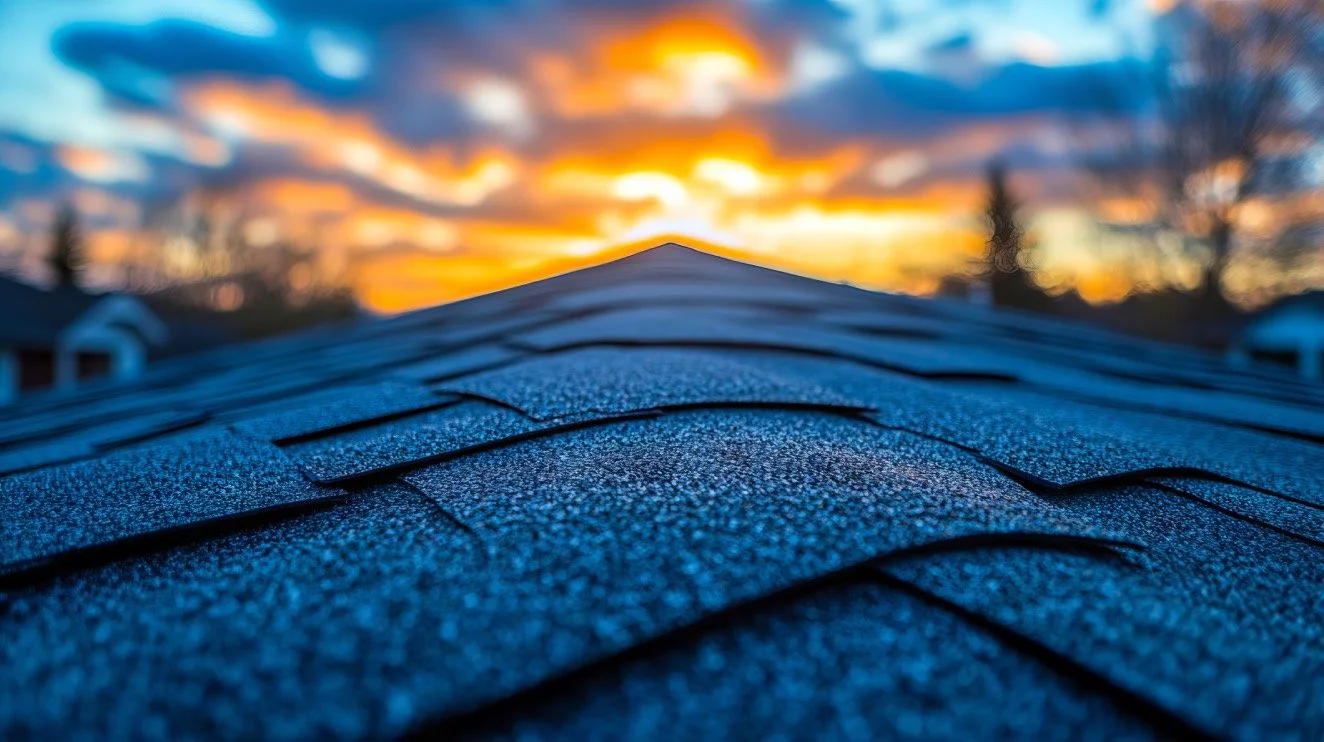
A large tree near your home may look harmless, but overhanging branches can create several roofing concerns.
Branches can scrape against shingles during windy conditions, while larger limbs may cause significant damage if they fall during a storm.
Trees also deposit leaves, twigs, pine needles, and other organic material onto the roof.
When debris collects in valleys or gutters, it can interfere with proper water drainage and keep roofing materials damp longer than necessary.
Keeping branches appropriately trimmed can reduce these risks.
6. Granule Loss Is Easy to Miss
Asphalt shingles have protective granules on their surface. Some granule loss is normal as a roof ages, but excessive loss can indicate deterioration.
One place homeowners may notice granules is inside their gutters or near downspout exits.
If you're repeatedly finding significant amounts of roofing granules around the property, it may be worth having the roof evaluated.
A professional roofer can determine whether the granule loss is consistent with normal aging or whether other signs of deterioration are present.
7. Storm Damage Isn't Always Obvious
After a major storm, homeowners often look for missing shingles or fallen tree branches.
But storm damage can be more subtle.
Strong winds may loosen or lift shingles without completely removing them. Hail can affect roofing materials without creating an obvious hole. Flashing or other components may also become damaged.
If your area experiences severe weather, a professional inspection can help identify problems that aren't easily visible from the yard.
8. Roof Valleys Need Special Attention
Roof valleys are the areas where two roof slopes meet.
Because they channel significant amounts of rainwater, they are particularly important to the roofing system's drainage.
Leaves and debris can collect in valleys, while damaged materials or flashing in these areas can increase the risk of water intrusion.
Roof valleys should be included in routine inspections, especially after storms or periods of heavy leaf accumulation.
9. A Roof Can Have Problems Without Leaking
One of the biggest misconceptions about roof health is that no leak means no problem.
A roof may have cracked shingles, deteriorated seals, loose flashing, ventilation issues, or storm damage without allowing enough water inside to create an obvious ceiling stain.
Waiting for a leak can mean waiting until the problem has already progressed.
Preventive inspections allow roofing problems to be identified based on the actual condition of the system rather than waiting for visible interior damage.
10. Roof Age Shouldn't Be Ignored
It's easy to lose track of how old a roof is, particularly if you purchased a home with the roofing system already installed.
But roof age is an important part of maintenance planning.
As roofing materials get older, they generally require closer monitoring. Aging shingles may become brittle, lose granules, curl, crack, or become increasingly vulnerable to severe weather.
Knowing approximately when your roof was installed can help you prepare for future repairs and eventual replacement.
Give Your Roof the Attention It Needs
Roof maintenance isn't just about reacting to leaks. It's about understanding the entire system and catching small problems before they become major ones.
Flashing, gutters, ventilation, roof valleys, tree branches, storm damage, moisture, and the age of your roofing materials all play a role in overall roof health.
A professional roof inspection can provide a clearer picture of areas that are difficult to evaluate from the ground.
Mr Roof & Restoration can inspect your roofing system for signs of wear, damage, and potential trouble areas. Staying proactive with roof maintenance can help protect your home, reduce the likelihood of unexpected problems, and help you get the most from your existing roof.