
Professional vs DIY Roof Maintenance: Pros and Cons
Regular roof maintenance can help prevent minor issues from becoming expensive problems and may help extend the useful life of your roofing system. But when it's time to check gutters, inspect shingles, remove debris, or investigate a potential leak, many homeowners face the same question: should you handle it yourself or call a professional roofer?
There are certainly some roof maintenance tasks homeowners can perform on their own. Others require specialized knowledge, equipment, and experience.
Understanding the pros and cons of DIY roof maintenance versus professional roof maintenance can help you decide which approach makes sense for different situations.
What Roof Maintenance Can Homeowners Do Themselves?
DIY roof maintenance doesn't necessarily mean climbing onto the roof.
In fact, many useful checks can be performed safely from the ground or inside your home.
Homeowners can regularly look for:
Missing or visibly damaged shingles
Roofing materials lying in the yard
Sagging gutters
Fallen branches
Debris accumulating on the roof
Water stains on ceilings or walls
Moisture inside the attic
Damaged or disconnected downspouts
You can also monitor nearby trees and arrange to have branches trimmed when they're hanging too close to the roof.
These simple observations can help you notice changes in your roofing system and determine when it's time to call a professional.
Pros of DIY Roof Maintenance
Lower Immediate Cost
One obvious advantage of handling basic maintenance yourself is avoiding the cost of hiring someone for every small task.
Cleaning accessible areas around downspouts, visually checking the roof from the ground, and monitoring your attic generally don't require professional roofing services.
Regular Monitoring
Nobody sees your home as often as you do.
Homeowners who periodically pay attention to their roof are more likely to notice when something changes. A new ceiling stain, missing shingle, overflowing gutter, or unusual amount of roofing granules near a downspout can provide an early warning.
Simple Preventive Tasks
Some preventive maintenance doesn't require specialized roofing knowledge.
Keeping the property clear of fallen branches, monitoring gutters, checking the attic for moisture, and visually inspecting the roof after storms can all contribute to better roof maintenance.
Cons of DIY Roof Maintenance
The biggest disadvantage of DIY roof maintenance is that homeowners may not know exactly what they're looking for.
A roof can appear perfectly fine while still having problems with flashing, seals, ventilation, penetrations, or shingles.
Without roofing experience, subtle signs of deterioration can be easy to overlook.
There's also the issue of safety.
The Risks of Climbing Onto Your Roof
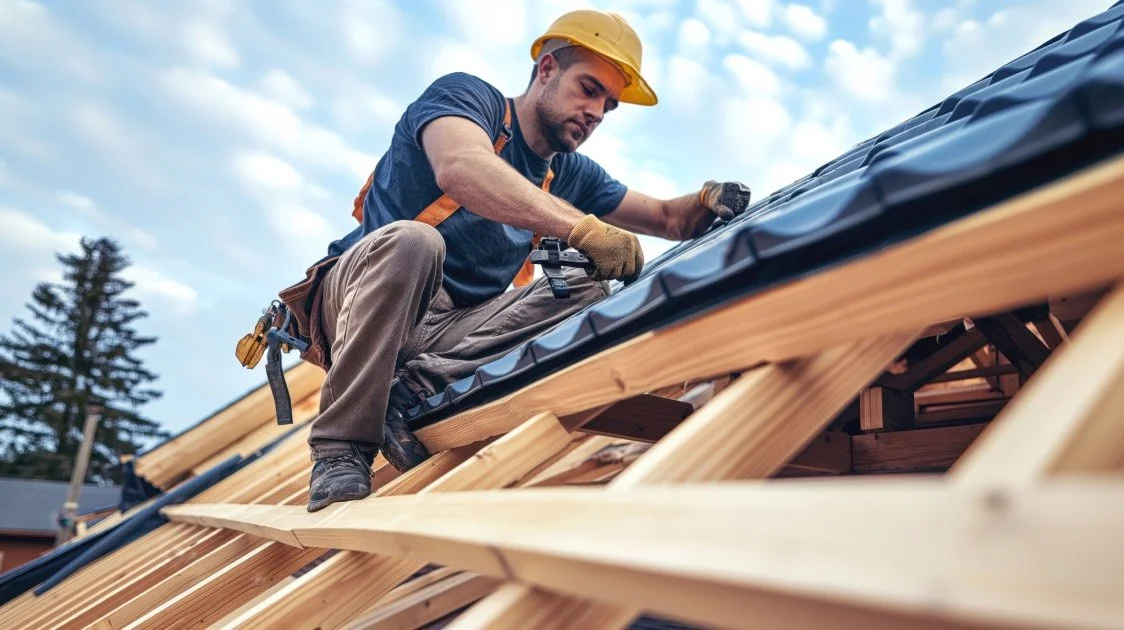
Roof work involves significant fall hazards.
Sloped surfaces, loose roofing materials, moisture, moss, debris, and even morning dew can make a roof surprisingly slippery. Older roofing materials may also be more fragile than they appear.
Walking incorrectly on a roof can potentially damage shingles or other components as well.
For these reasons, homeowners generally shouldn't climb onto the roof simply to perform an inspection.
You can accomplish plenty from the ground with binoculars or a camera with zoom. Anything requiring direct roof access is usually better left to someone with appropriate equipment and experience.
What Does Professional Roof Maintenance Include?
Professional roof maintenance goes beyond looking for obvious missing shingles.
Depending on the roof and service being performed, a roofer may examine:
Shingles and other roofing materials
Flashing
Roof penetrations
Pipe boots
Valleys
Roof edges
Ventilation components
Gutters and drainage
Chimney areas
Signs of moisture intrusion
Areas affected by previous repairs
Potential storm damage
The primary advantage is experience. Roofing professionals know where problems commonly develop and what early deterioration looks like.
That can make it easier to identify an issue before it becomes obvious inside the home.
Pros of Professional Roof Maintenance
More Thorough Inspections
Roofing contractors work with roofing systems every day.
They can inspect areas that homeowners may not recognize as vulnerable and distinguish normal aging from damage that may require attention.
Better Access to Difficult Areas
Some roofing components simply can't be properly inspected from the ground.
A professional has the equipment and experience needed to access appropriate areas of the roof and examine components more closely.
Problems Can Be Addressed Earlier
One of the main goals of professional roof maintenance is prevention.
Finding damaged flashing or a deteriorating pipe boot today could help prevent a leak from causing damage later.
Early repairs are often simpler than fixing problems after moisture has affected multiple parts of the home.
Professional Recommendations
A roof inspection can also help you understand the overall condition of your roofing system.
Instead of guessing whether the roof needs repairs or replacement, you can get information about its condition and discuss appropriate next steps.
Cons of Professional Roof Maintenance
The primary downside is cost.
Hiring a professional obviously costs more than visually checking the roof yourself. However, preventive maintenance should be viewed in the context of the potential cost of neglected roof problems.
There's also the importance of choosing a reputable roofing contractor. Homeowners should work with experienced professionals who clearly explain what they find and recommend repairs based on the actual condition of the roof.
DIY vs Professional Roof Maintenance: Which Is Better?
In practice, the best approach is often a combination of both.
Homeowners should regularly monitor their roofs from the ground, watch for interior signs of moisture, keep drainage systems functioning, and pay attention after storms.
Professional inspections can then provide a more detailed evaluation of the roofing system.
Think of DIY maintenance as your first line of observation and professional maintenance as a deeper examination.
You don't need to call a roofer every time a leaf lands in your gutter. At the same time, you shouldn't rely exclusively on what you can see from your driveway.
When Should You Call a Professional Roofer?
Consider scheduling a professional inspection if you notice missing or damaged shingles, unexplained ceiling stains, moisture in the attic, damaged flashing, sagging areas, excessive granule loss, or other changes to your roof.
It's also a good idea to have the roof evaluated after significant storms or if it hasn't been professionally inspected in a long time.
Older roofs may benefit from closer monitoring as they approach the later stages of their service life.
Protect Your Roof With the Right Approach
DIY roof maintenance can be valuable when it involves safe, basic monitoring and preventive care. But homeowners should recognize the limits of what can be evaluated without professional experience.
You don't need to choose exclusively between DIY and professional maintenance. Regular homeowner checks combined with periodic professional inspections can provide a practical approach to protecting your roofing system.
Mr Roof & Restoration can evaluate your roof for signs of wear, leaks, storm damage, and other potential problems. Staying proactive can help you address minor issues sooner and make informed decisions about repairs, maintenance, and eventual roof replacement.