
Signs of Roof Failure & When It’s Time to Replace
No roof lasts forever. Even a well-installed and properly maintained roofing system will eventually reach a point where repairs are no longer the most practical solution.
The challenge for homeowners is knowing when that point has arrived.
A few damaged shingles don't necessarily mean you need a new roof. On the other hand, repeatedly repairing an aging roofing system with widespread deterioration may only postpone an inevitable replacement.
Recognizing the warning signs of roof failure can help you make a more informed decision and avoid waiting until significant water damage occurs.
How Do You Know When a Roof Is Failing?
Roof failure doesn't always happen suddenly.
Most roofs deteriorate gradually as years of sunlight, rain, wind, temperature changes, storms, and other environmental conditions take their toll.
Homeowners should pay attention to both exterior and interior warning signs. While one isolated problem may only require a repair, several problems occurring throughout the roofing system could indicate more extensive deterioration.
Here are some of the most important signs to watch for.
1. Missing or Damaged Shingles
An occasional missing shingle can often be repaired without replacing the entire roof.
The situation becomes more concerning when missing, cracked, curled, or damaged shingles are appearing throughout multiple areas.
Widespread shingle deterioration can leave the underlying roofing system increasingly vulnerable to moisture.
If repairs are becoming frequent, it may be time to have the overall condition of the roof evaluated.
2. Excessive Granule Loss
Asphalt shingles are covered with protective granules that help shield them from sunlight and weather exposure.
Some granule loss is normal, especially as shingles age. However, excessive granule loss can indicate that the roofing material is deteriorating.
You may notice granules collecting in gutters or near the bottom of downspouts.
Shingles that have lost significant amounts of their protective surface may also appear patchy, smooth, or discolored.
A professional inspection can help determine whether the granule loss is isolated or part of broader roof deterioration.
3. Recurring Roof Leaks
One leak doesn't automatically mean you need a new roof.
Leaks can sometimes result from localized problems such as damaged flashing, missing shingles, or deteriorated seals.
Recurring leaks are different.
If you're repairing one leak only to discover another somewhere else, the roofing system may be experiencing more widespread problems.
Repeated water intrusion can also affect insulation, decking, ceilings, walls, and other components of your home.
At some point, continuing to repair individual leaks may become less practical than addressing the roofing system as a whole.
4. Sagging Areas
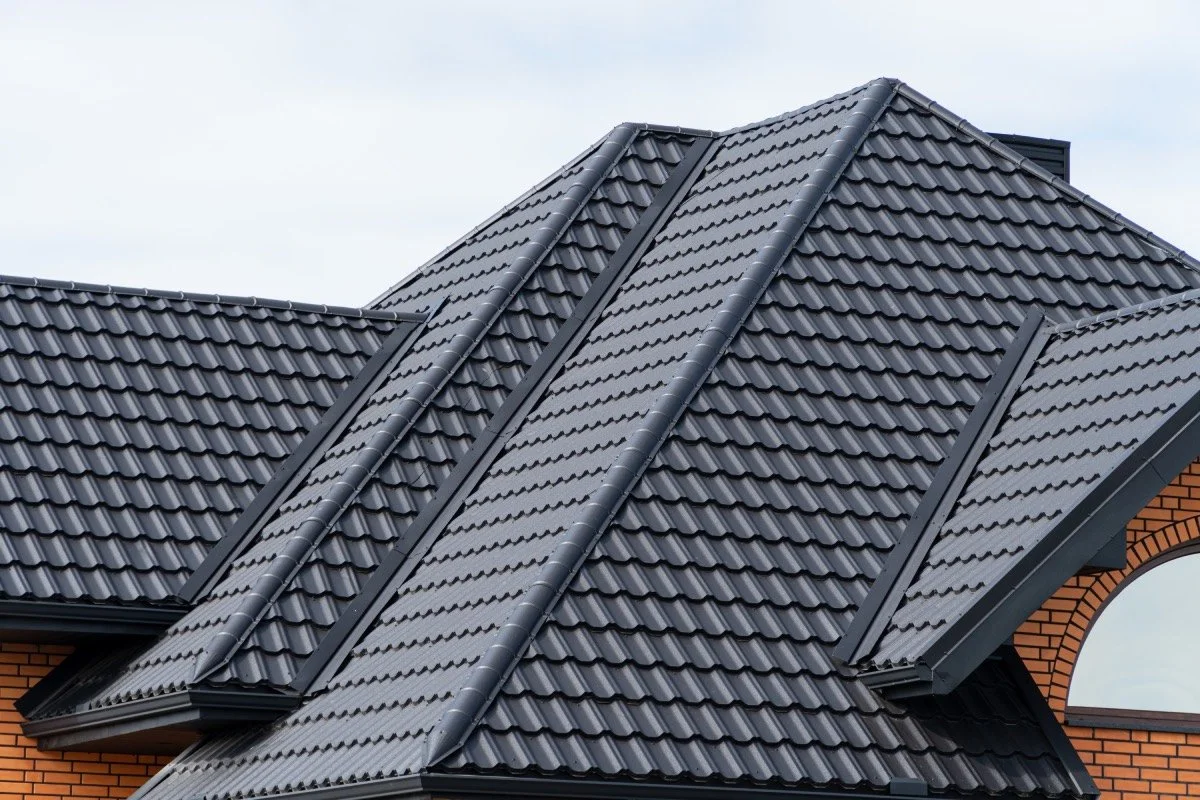
A roof should generally maintain a consistent structural appearance.
Visible sagging or dipping deserves immediate professional attention because it may indicate problems involving the roof deck, moisture damage, or structural components.
Do not climb onto a roof that appears to be sagging.
Have a roofing professional evaluate the area and determine the source of the problem.
5. Daylight Visible Through the Attic
Your attic can reveal roofing problems that aren't visible from outside.
If you can see daylight entering through gaps in the roof structure, those openings should be investigated.
While you're in the attic, also check for:
Water stains
Damp insulation
Discolored wood
Signs of active leaks
Musty odors
Unusual moisture
These symptoms don't automatically mean the entire roof needs replacement, but they are strong reasons to schedule an inspection.
6. Damaged or Deteriorating Flashing
Flashing protects some of the most vulnerable parts of a roof, including areas around chimneys, walls, valleys, skylights, and penetrations.
When flashing becomes loose, damaged, corroded, or separated, water may enter beneath the roofing materials.
Localized flashing problems can often be repaired.
However, deteriorating flashing combined with widespread shingle wear, leaks, and other problems may indicate an aging roofing system that requires more extensive work.
7. Your Roof Is Getting Older
Roof age is one factor professionals consider when evaluating whether repairs or replacement make sense.
Different roofing materials have different expected service lives, and actual longevity depends on installation quality, maintenance, ventilation, weather exposure, and other conditions.
An older roof doesn't automatically need to be replaced simply because it reaches a particular birthday.
Its physical condition matters more.
However, once a roofing system is in the later stages of its expected lifespan, recurring problems deserve closer attention.
8. Repairs Are Becoming More Frequent
Think about how often you've called for roof repairs during the past few years.
If problems are becoming increasingly common, your repair costs can begin adding up.
One repair may make perfect sense. Repeated repairs across different sections of an aging roof may indicate that the roofing materials are deteriorating more broadly.
A professional roofer can help you compare the condition of the existing roof with the scope and frequency of necessary repairs.
Repair or Replace: What's the Right Choice?
There isn't a single rule that applies to every roof.
Several factors should be considered, including the age of the roofing system, location of the damage, extent of deterioration, history of repairs, evidence of water intrusion, and overall condition of the roofing materials.
A relatively young roof with isolated storm damage may only require repairs.
An older roof with widespread shingle deterioration, recurring leaks, and repeated repairs may be a stronger candidate for replacement.
That's why a professional roof inspection is important before making the decision.
Don't Wait for Complete Roof Failure
Homeowners sometimes postpone roof replacement because the roof is technically still functioning.
But waiting until water is actively entering multiple areas of the home can increase the risk of damage beyond the roofing materials themselves.
Leaks may affect roof decking, insulation, drywall, ceilings, walls, and personal belongings.
Planning ahead gives you more time to understand your options, prepare financially, and schedule the work rather than making a rushed decision after an emergency.
Get a Professional Roof Evaluation
The difference between a roof that needs a straightforward repair and one approaching the end of its useful life isn't always obvious from the ground.
Mr Roof & Restoration can inspect your roofing system, identify signs of deterioration, and help you understand whether repairs or replacement may be appropriate based on its current condition.
If you're noticing recurring leaks, damaged shingles, excessive granule loss, sagging, or other warning signs, don't wait for the problem to become more serious.
A professional roof evaluation can give you the information you need to determine the next step and keep your home protected.