
Temp Fixes vs Permanent Roofing Repairs: Which When?
Roof damage never seems to happen at a convenient time. Whether it's caused by a severe summer storm, falling tree limbs, high winds, or hail, homeowners often need to act quickly to prevent further damage. In many cases, emergency measures are necessary immediately, but those temporary fixes are not meant to replace a proper roof repair.
Understanding the difference between temporary and permanent roofing repairs can help you make informed decisions, protect your home, and avoid more expensive problems down the road.
Why Temporary Repairs Are Sometimes Necessary
When your roof is suddenly damaged, the priority is stopping additional water from entering your home. Waiting several days—or even a few hours during heavy rain—can allow moisture to spread into insulation, drywall, flooring, and structural framing.
Temporary repairs are designed to stabilise the situation until permanent repairs can be completed safely.
These emergency measures help reduce further damage while giving your roofing contractor time to perform a complete inspection and develop the appropriate repair plan.
Common Temporary Roofing Solutions
Professional roofers often use several emergency methods depending on the type and severity of the damage.
Some of the most common temporary repairs include:
Emergency roof tarping
Temporary waterproof coverings
Sealing small active leaks
Covering exposed decking
Removing loose debris that could worsen damage
Securing loose flashing or shingles
These repairs are intended to buy time—not permanently solve the problem.
When Temporary Repairs Make Sense
Temporary repairs are appropriate in situations where immediate permanent work isn't possible.
Examples include:
During Ongoing Severe Weather
If storms are still moving through the area, completing a full repair may not be safe. Installing a protective tarp can keep water out until weather conditions improve.
Waiting on Insurance Approval
Many homeowners prefer to wait until their insurance adjuster has inspected the damage before permanent repairs begin. Temporary protection helps prevent additional deterioration while the claims process moves forward.
Material Availability
Some roofing materials require ordering, particularly specialty shingles, metal panels, or custom flashing. Temporary repairs keep your home protected while materials arrive.
Emergency Scheduling
Following major storms, roofing companies often experience extremely high demand. Temporary repairs help protect your home until a full repair appointment becomes available.
The Limitations of Temporary Repairs
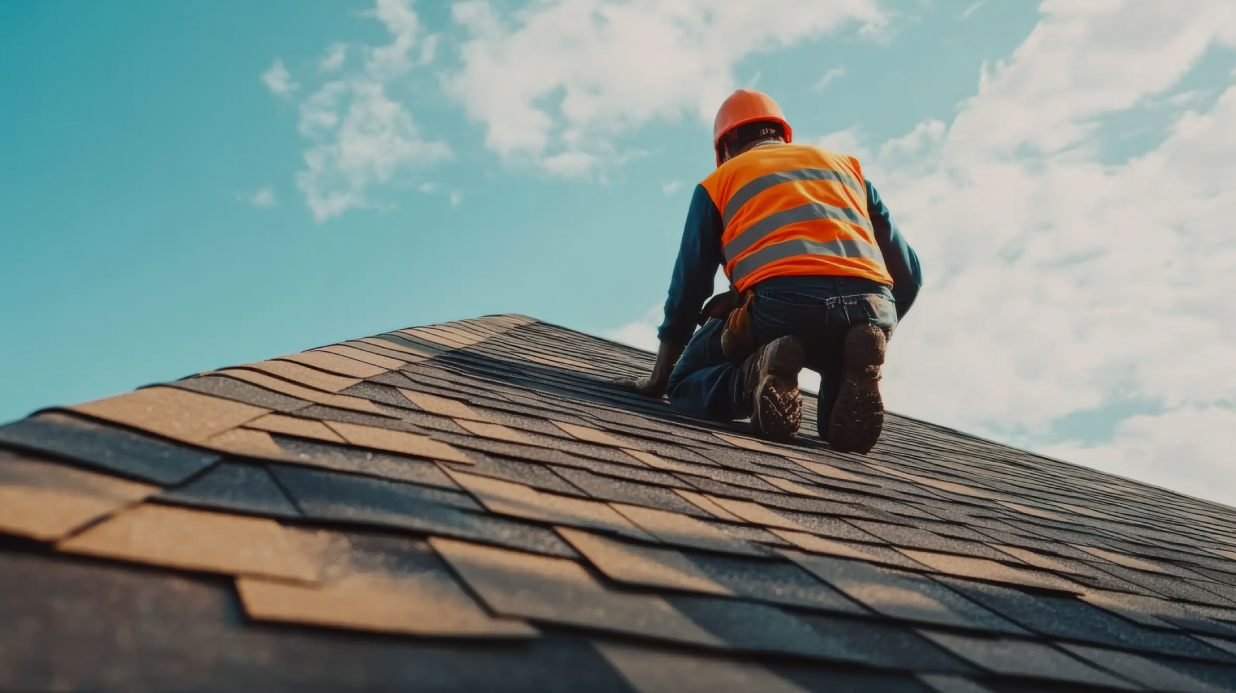
Although temporary repairs are important, they have limitations.
A roof tarp cannot replace damaged shingles or restore compromised structural components. Temporary sealants eventually deteriorate when exposed to sunlight, rain, and changing temperatures.
Relying on temporary repairs for too long can lead to:
Continued water intrusion
Mould growth
Rotting roof decking
Damaged insulation
Higher repair costs later
The longer permanent repairs are delayed, the greater the risk of additional damage.
What Permanent Roofing Repairs Include
Permanent repairs restore your roof's integrity and ensure it can continue protecting your home for years to come.
Depending on the damage, permanent repairs may involve:
Replacing missing shingles
Installing new underlayment
Repairing roof decking
Replacing flashing
Repairing ventilation components
Rebuilding damaged roof sections
Installing new gutters if necessary
The goal is not simply to stop the leak but to restore the roofing system to proper working condition.
How Roofers Decide Which Repair Is Needed
Every roof is different, and no two storm events cause exactly the same damage.
A professional roofing inspection evaluates:
The extent of visible damage
Hidden moisture intrusion
Structural integrity
Roof age
Existing wear and tear
Whether repairs will provide a long-term solution
In some situations, a relatively small repair may fully restore the roof. In others, widespread damage may make roof replacement the better long-term investment.
Don't Attempt DIY Emergency Repairs
Many homeowners are tempted to climb onto the roof themselves after a storm.
Unfortunately, this often creates additional risks.
Damaged roofs can have:
Slippery surfaces
Hidden weak spots
Loose debris
Electrical hazards
Structural instability
Improper repairs can also void manufacturer warranties or complicate insurance claims.
Professional roofers have the training, equipment, and safety practices needed to perform emergency work correctly.
Why Acting Quickly Matters
Even small roof leaks rarely stay small for long.
Water can travel through insulation, rafters, and walls before becoming visible inside your home. By the time a ceiling stain appears, moisture may already have caused significant hidden damage.
Prompt temporary protection followed by permanent repairs helps minimise:
Structural deterioration
Interior water damage
Mould growth
Increased repair expenses
Disruption to your daily life
Addressing roof damage early is almost always less expensive than waiting until the problem becomes larger.
Work with a Trusted Local Roofing Contractor
Following severe storms, homeowners are often approached by contractors offering quick, inexpensive repairs. While some may be legitimate, others perform only temporary work without addressing the underlying damage.
A reputable local roofing contractor will:
Conduct a thorough inspection
Explain the difference between temporary and permanent repairs
Provide clear recommendations
Use quality materials
Stand behind their workmanship
Assist with insurance documentation when needed
Choosing an experienced roofing company ensures the repair solves the problem rather than simply covering it up.
Protect Your Home with the Right Repair
Temporary repairs play an important role in protecting your home immediately after roof damage, but they should always be followed by a permanent solution. Mr. Roof & Restoration provides fast emergency response, professional roof inspections, temporary roof protection, and lasting roofing repairs that restore your home's safety and performance. If your roof has been damaged by a storm, don't settle for a short-term fix—schedule a professional inspection and make sure your roof is repaired the right way.